
Moose cult in Kullberg
During the Stone Age, something that can best be described as a moose cult prevailed in the inland areas of Ångermanland. The moose was humanity’s most important resource: for food, shelter and the manufacture of tools. But 4,200 years ago everything suddenly stopped. What was it that happened?
For thousands of years, moose and humans lived side by side.
When the ice retreated after the last Ice Age, both animals and humans migrated into what is now Sweden. As the ice sheet withdrew northwards through the country, we followed. The ice disappeared last from the inland of Norrland, and 9,000 years ago Sweden was free of inland ice.
Vegetation flourished: deciduous forests spread across the south, while coniferous forests became established in the north.
Across Sweden lived Stone Age people who devoted their lives to hunting and gathering. What was hunted most varied from region to region, but more than 4,000 years ago, in the area around Kullberg in Ångermanland, something resembling a moose cult prevailed.
In excavations of 4,000-year-old settlements in Ångermanland, moose bones made up as much as 98 per cent of all bone remains found; the rest came mainly from beaver. Across the landscape there are large systems of pitfall traps strategically placed along the moose’s migration routes. These systems could extend for several kilometres. The moose was depicted in every conceivable way. Wooden moose heads adorned boats and staffs. Moose were carved and painted on rock faces.
At Nämforsen there are 461 moose depicted on rock faces – carvings that demonstrate the moose’s importance to us humans.
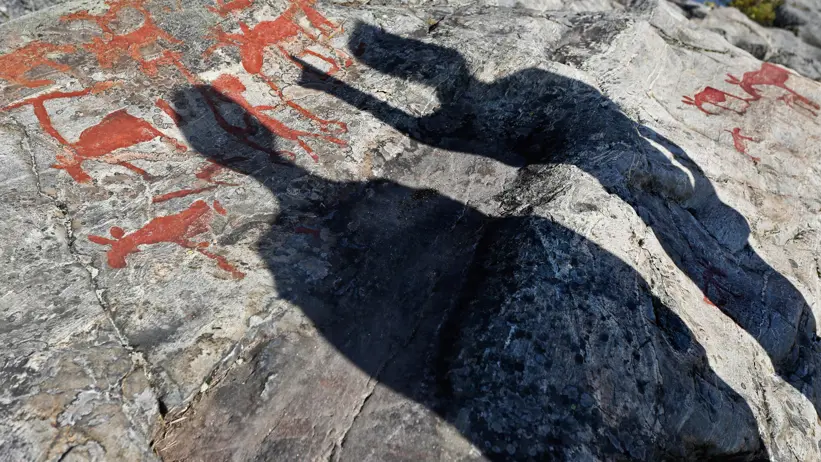
It is therefore no exaggeration to say that the moose was absolutely crucial for people in central Norrland. In addition to providing food, hides and sinews were used to make clothing and tents. Antlers were fashioned into hoes, and shoulder blades and antlers were used to dig pitfall traps and hut floors. Bones were turned into harpoons, chisels and awls.
But around 4,200 years ago, the moose cult suddenly came to an end.
What was it that happened?
The moose almost disappeared as a result of a dramatic change in climate that brought colder and wetter conditions, particularly in winter.
– Moose depend on a functioning annual cycle in order to reproduce. To cope with cold, harsh winters, they need lush springs and summer periods that are long enough for the moose to build up reserves ahead of tougher times. If spring arrives later, this affects the cow’s ability to nurse her calf, her own ability to take in sufficient nourishment to come into heat and then mate, says Göran Ericsson, Professor of Wildlife Ecology at SLU.
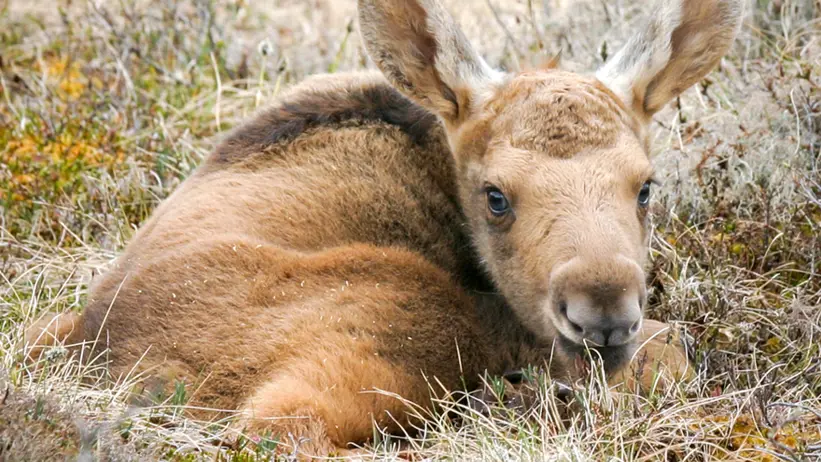
The environmental changes brought about by climate change thus affected moose reproduction and probably caused moose to congregate in areas where food was most readily available. There they became easy prey for predators and humans alike.
– Sudden changes in climate combined with hunting may have been what caused their disappearance, says Göran Ericsson.
The moose are therefore believed to have vanished from the inland of Norrland at this time; either the populations were wiped out or they moved southwards to more favourable conditions.
When the moose disappeared, the entire way of life of people at the time seems to have been turned upside down. Earlier daggers and knives made of slate, which researchers believe may have been used in moose hunting, were replaced by quartzite spearheads that may have been better suited to hunting reindeer and small game. Tools were no longer decorated with moose heads, and on the rock faces spears were now carved instead of moose.
The pitfall traps were abandoned, and people left the places that had been used to process the catch.
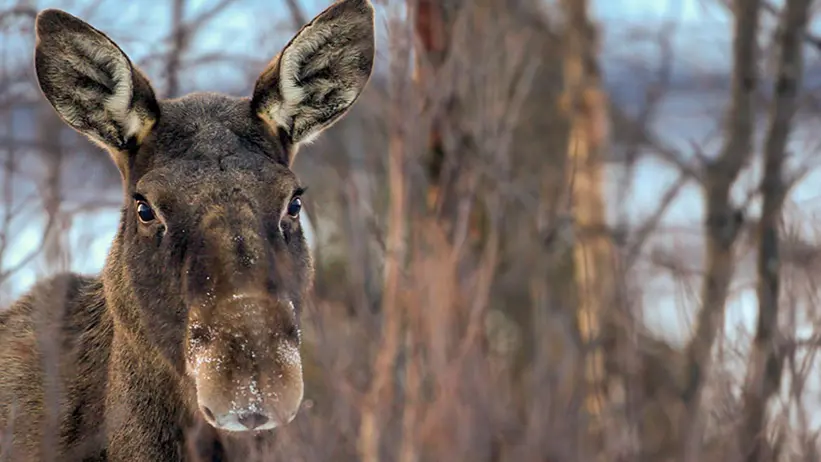
For several millennia, people here had depended on the moose. When the moose disappeared, all aspects of life were affected: the economy, culture, social structure and perhaps even belief systems.
The societal crisis of the time was a moose crash caused by climate change.
A thousand years later, the climate in the inland of Norrland had stabilised again. The moose gradually returned. The pitfall traps were brought back into use, and many more were dug, particularly during the Iron Age, to catch both moose and wild reindeer. But the moose cult never returned to Kullberg…
…until now?
When millions of viewers follow the moose migration via SVT’s cameras, perhaps it can be called a moose cult? Even if the moose on television fulfil different needs for us today than the moose did for our ancestors.
Facts
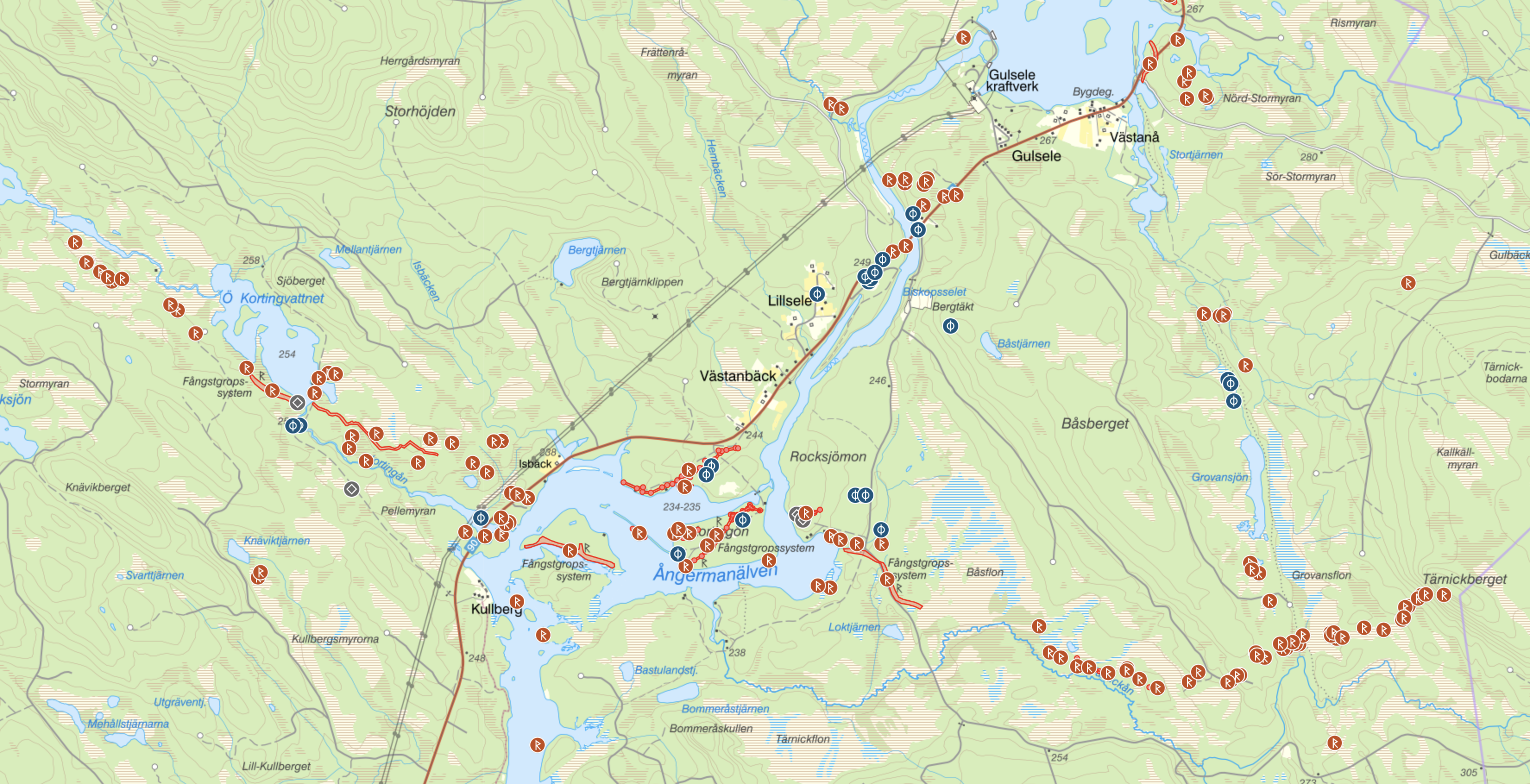
Here you can see remains of the pitfall traps found around Kullberg.
On the Swedish National Heritage Board’s map service Fornsök, you can see pitfall traps and other historical remains yourself.