Water – quality and fishing

At SLU, we develop knowledge about water – both as a food source and as a habitat for aquatic organisms. Interested in fish, ecology in marine and freshwater systems, plant nutrients, eutrophication, acidification, water in agricultural land, drinking water, fisheries management or aquaculture? Find your way into SLU’s work in this field.

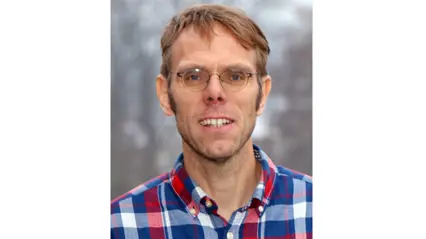
Örjan Östman, senior lecturer in aquatic ecology collaboration, poses for a portrait outdoors. He is wearing glasses and a red, blue, and white checkered shirt. The background is blurred with wintry trees in muted tones.

Contact an expert or find a collaboration partner

Örjan Östman is Senior Lecturer in Collaboration in aquatic ecology. Contact Örjan Östman or one of our other water experts.

Knowledge bank: Water

  • 2026-03-11

    Stop the amount of PFAS in circulation

    PFAS are harmful chemicals that are hard to break down and can enter our bodies through drinking water. Since drinking water is essential, SLU researchers are developing methods to purify PFAS and prevent them from reaching our water sources.
  • 2026-03-04

    Why Ditches Matter: A Research Perspective

    Ditches are a defining feature of many landscapes. Though often overlooked, they play an essential role in water and soil regulation. As climate change accelerates, understanding how ditches function, and how we manage them, has never been more important.

Research Water

Departments: Water

  • Department of Aquatic Resources

    At the Department of Aquatic Resources (SLU Aqua) we conduct research on fish and shellfish in seas, lakes, and watercourses. We monitor the aquatic environment and develop methods and expertise for the sustainable use of aquatic resources.
  • Department of Aquatic Sciences and Assessment

    We develop knowledge about environmental changes and their causes through research, education, and environmental analysis. The department takes a broad and interdisciplinary approach to water issues, focusing on monitoring, understanding, and contributing to improved quality in Sweden’s aquatic environments.
  • Department of Wildlife, Fish, and Environmental Studies

    We generate knowledge supporting the sustainable use of natural resources in a changing world. Our work enhances the understanding of interactions between plants, animals and humans across the globe.
  • Department of Soil and Environment

    Our research seeks knowledge about the interaction between man, soil, plant and the surrounding environment in forest and agricultural landscapes as well as urban environments. We collect, analyse and report data on the state of the environment.

Collaborative centers: Water

  • SLU Water Hub

    SLU Water Hub is a unit coordinating SLU departments involved in catchment scale modelling and assessment of water quality. The focus is on developing, managing and applying models for calculation of leaching, transport, retention, and source apportionment of nitrogen and phosphorus.
  • SLU Aquaculture

    SLU Aquaculture is a platform to promote and coordinate aquaculture research and education. Aquaculture-related research is taking place at all four faculties, and our mission is to consolidate and develop aquaculture research and education at SLU.