Antibiotics in surface waters: Breakdown products can also be problematic
Most of the antibiotics and antiviral drugs we use have changed when they leave the body. Many of these breakdown products can remain in aquatic environments for a long time with preserved biological activity and risk spreading antibiotic resistance, according to a new dissertation from SLU.
Only a fraction of the antibiotics we use leave the body unchanged, and this also applies to drugs against viruses such as HIV and SARS-CoV-2. The rest is transformed biologically, mainly in the liver. Also, both the parent substances and the degradation products can be further changed when they end up in the environment, for example by sunlight. Lakes and watercourses therefore often contain complex mixtures of antimicrobial substances and their degradation products, each with distinct chemical properties. Despite this, it is only recently that the impact of the degradation products in the environment has been noticed. And now Paul Löffler has devoted his entire doctoral work at SLU to these under-researched substances. He has investigated what they are, where they are found, what properties they have and which ones we should be wary of in environmental work.
“Our studies show that the substances formed when pharmaceuticals break down can sometimes pose risks as great as those of the parent products, or even greater. This is something that has so far rarely been considered in environmental monitoring or risk assessment. But minor chemical changes can have a great impact,” says Paul Löffler.
A first global overview
In his work, Paul Löffler has identified both known and previously unknown pharmaceutical degradation products in water. He has also presented the first ever global overview of degradation products of antibiotics and antiviral drugs in aquatic environments. This was done after a thorough literature review and by collecting and analysing surface water samples from six countries spread across five continents. He has also compiled a list of 56 degradation products that give rise to concern from a global perspective.
“The most consistently abundant degradation product was acetyl-sulfamethoxazole, a breakdown product of sulfamethoxazole, which is included in many common antibiotic drugs,” says Paul Löffler. “In my thesis, I have shown that this breakdown product is not broken down by sunlight, which contributes to its common presence in the samples. There are other common antibiotic substances that are broken down by sunlight, and that we do not find as much of in surface water.”
Too many substances to focus on all
In his thesis, Paul Löffler has combined different methods to identify degradation products that should be considered first. Such prioritisation is necessary both in environmental monitoring and in the work of removing unwanted substances in treatment plants. The number of degradation products is so large that it is hardly possible to eliminate them all effectively.
“I think we need to develop computational tools that can help us select the substances that we need to investigate more thoroughly. Just doing laboratory tests is simply too time-consuming and expensive. And my thesis offers some effective alternatives,” says Paul Löffler.
“We need to think about what happens to a chemical when it breaks down to create a healthy and sustainable environment for all of us,” he concludes.
Paul Löffler defended his doctoral thesis “Impact of antimicrobial transformation products on aquatic environments” on November 21, 2025.
Löffler, P. (2025). Impact of antimicrobial transformation products on aquatic environments. (Acta Universitatis Agriculturae Sueciae 2025:82) [Doctoral thesis, Swedish University of Agricultural Sciences]. Swedish University of Agricultural Sciences. https://doi.org/10.54612/a.737n43eto1
Main supervisor: Foon Yin Lai
Contact
Paul Löffler, Doctoral Student
Department of Aquatic Sciences and Assessment
Swedish University of Agricultural Sciences, Uppsala
paul.loffler@slu.se
https://www.linkedin.com/in/paul-l%C3%B6ffler-9881a9221/
https://www.slu.se/en/profilepages/l/paul-loffler/
Press images
(May be published without charge in articles about this press release, please include the name of the photographer)
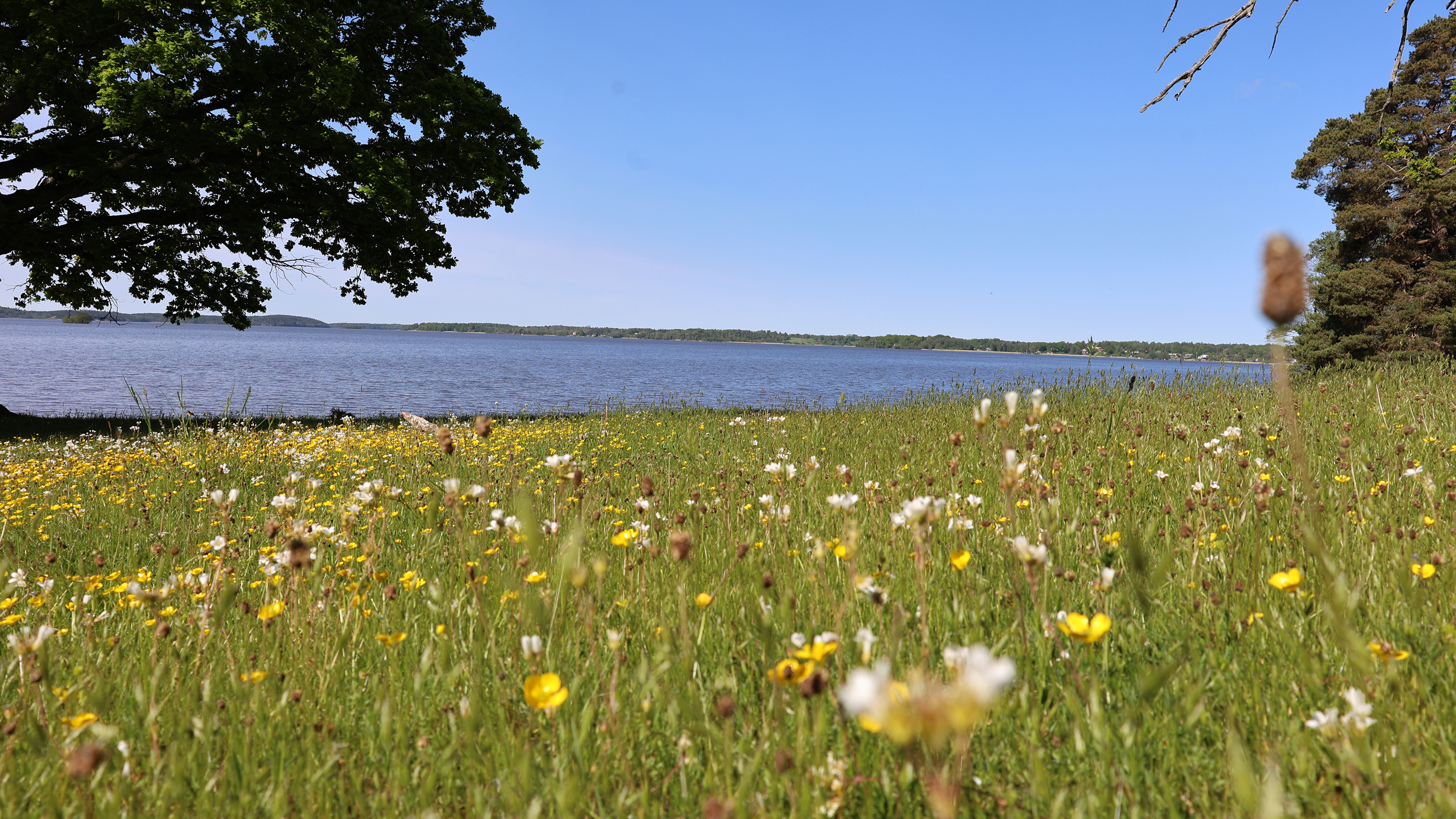
Morga Hage, close to the Fyris River outlet near Uppsala. Some of Paul Löfflers surface water samples were collected here. Photo: Ulrika Jansson Klintberg
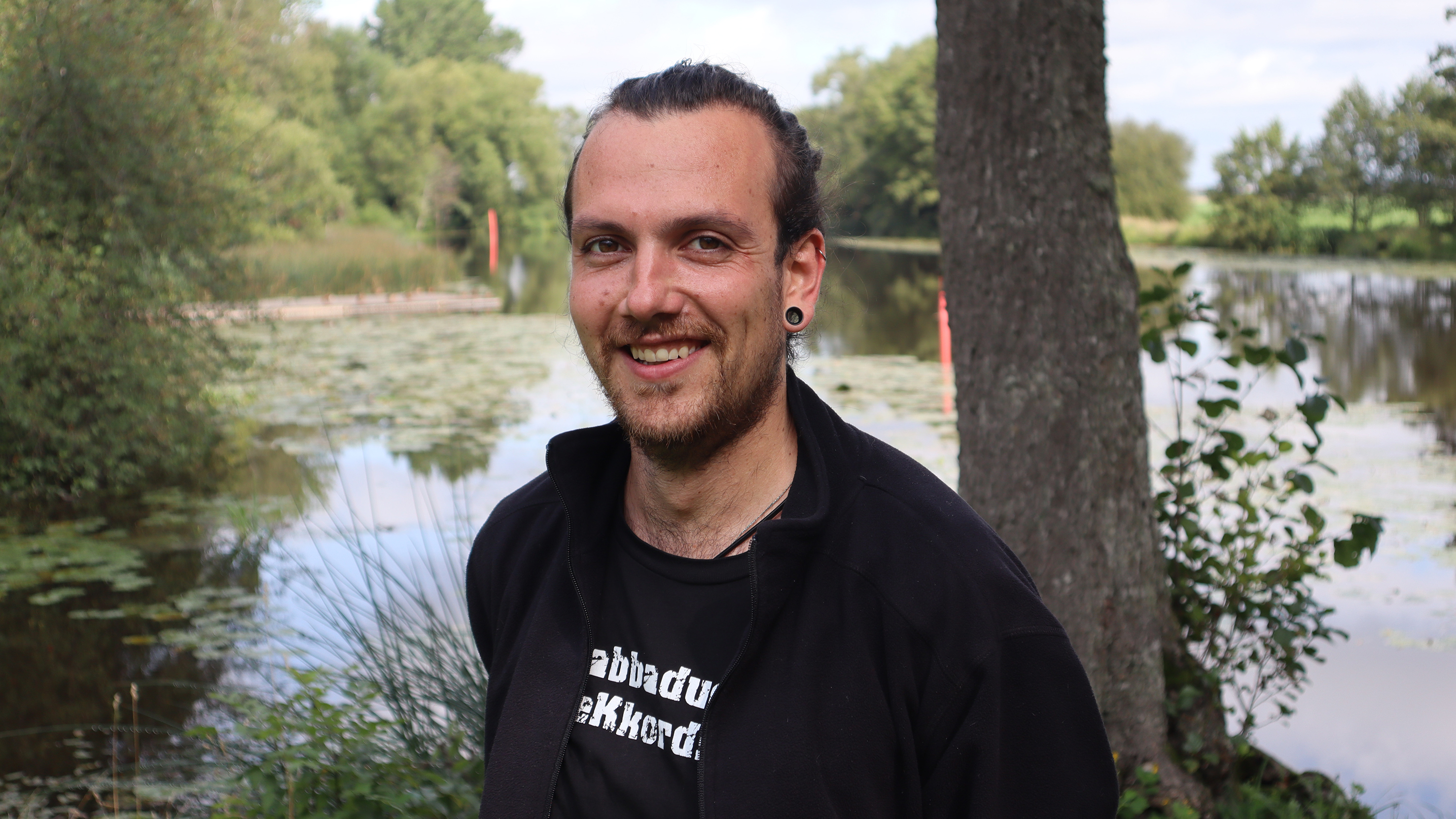
Paul Löffler. Photo: Ulrika Jansson Klintberg