
New species discovered: One of the world's smallest mammals
A new tiny shrew has been discovered in Ethiopia. The new species weighs 3 grams and is described in a study co-authored by a researcher at Swedish University of Agricultural Sciences (SLU). The story behind the discovery spans a decade and includes the unexpected passing of a researcher.
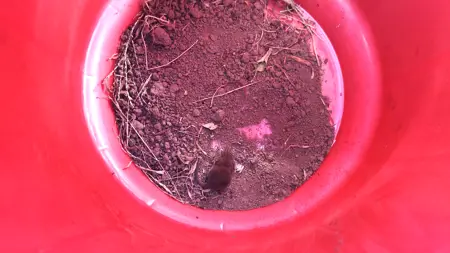
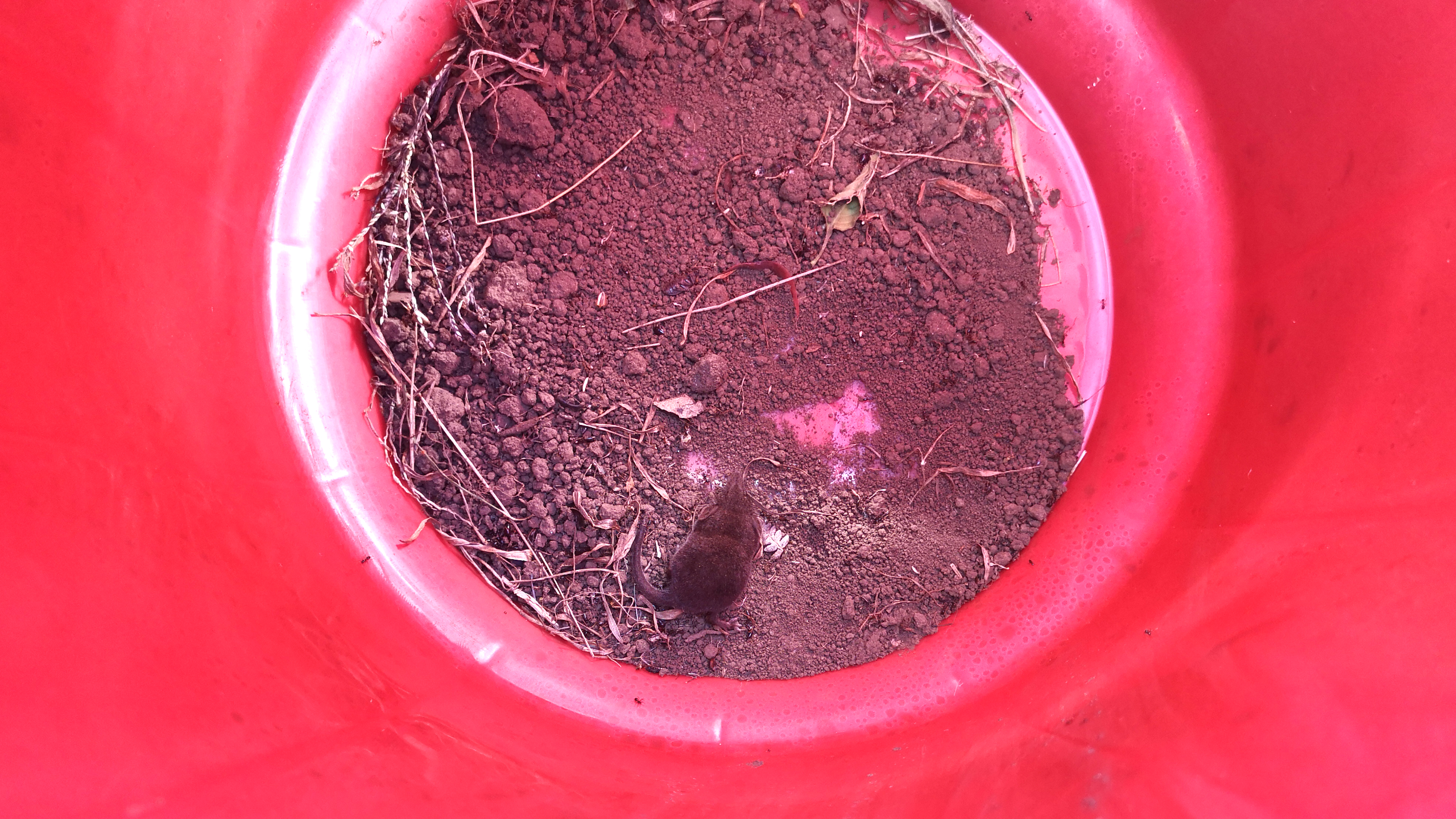
Mount Damota, Southern Ethiopia, 2023. Researcher Yonas Meheretu can hardly believe his eyes when he looks into the pitfall trap. Ten days have passed without them catching anything new. Every small mammal capture has been that same common montane rodent species. He had suggested adding a different method to better target relatively smaller and unexpected species. And suddenly, there it is. A minuscule shrew at the bottom of the red bucket pitfall trap. He immediately senses that there is something special about it.
– I will never forget that moment. I called out to the others. The little shrew looked like something we had only seen once before, says Yonas Meheretu, researcher at SLU.
That previous time was in 2015, when his colleague Bill Stanley from the Field Museum of Natural History in Chicago, USA, caught a tiny shrew in the Simien Mountains, another area in the highlands. The Ethiopian highlands are known for their endemic species, species that are only found there. Stanley devoted his life to the study of African mammals and knew that documentation of small shrews was lacking because they are difficult to catch. Could he have found a new species? Tragically, he never lived to see the answer. Nine days into the fieldwork in the Simien Mountains, he suffered a cardiac arrest and passed away.
The shock and grief weighed heavily on his fellow researchers. But the years passed, and they continued the work. The discovery of a second set of the shrew specimens on Mount Damota in Southern Ethiopia eight years later provided complementary and decisive data. Using advanced genetic analyses and comparisons with related species, the scientists were ultimately able to confirm it as a new species.
– I thought, wow, what an exciting time to be a biologist. We are still living in an era where we get to enjoy the discovery of species, the most fundamental unit of biodiversity, says Evan Craig, lead author, who recently received his doctorate from the University of Massachusetts Boston.
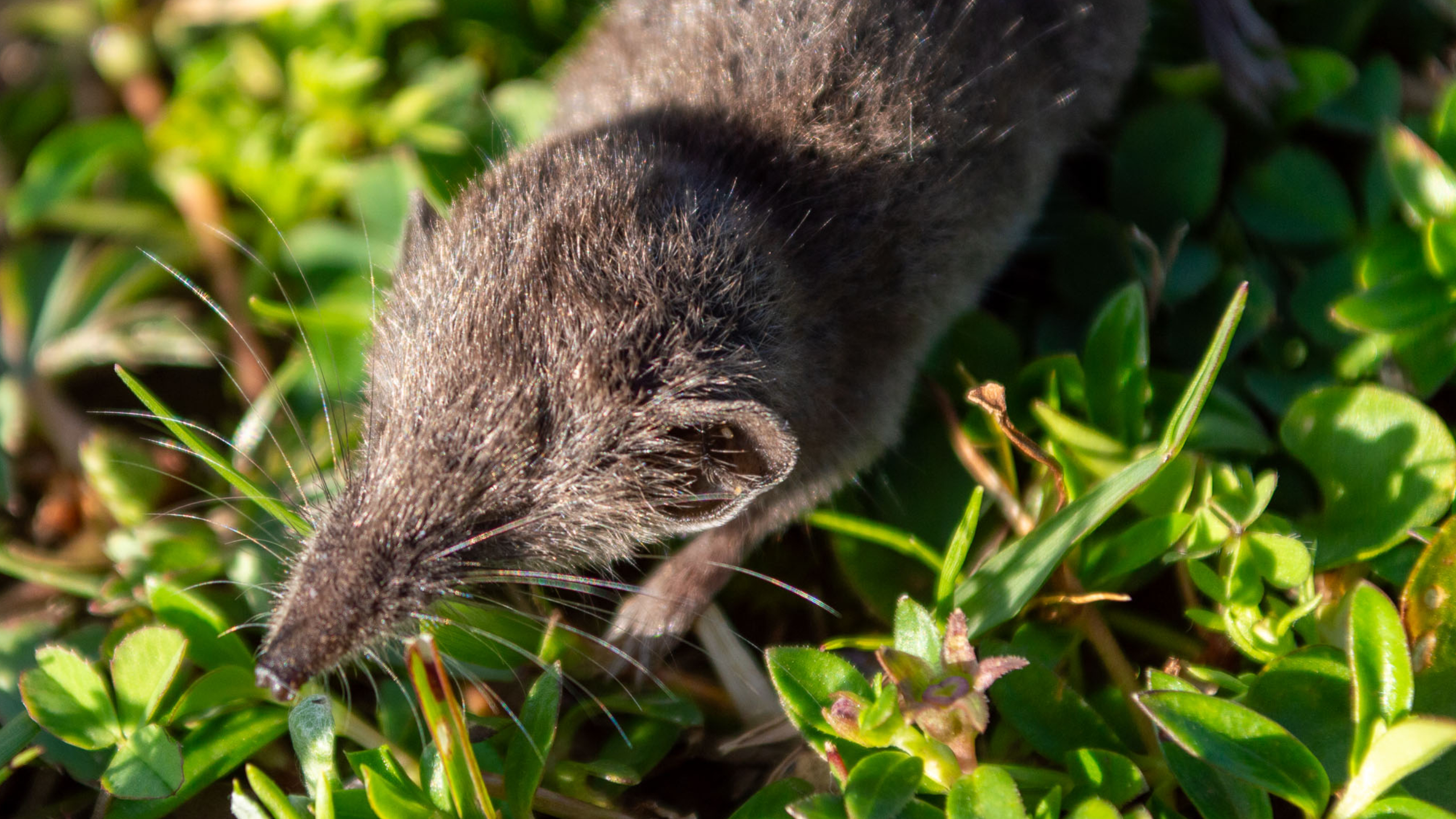
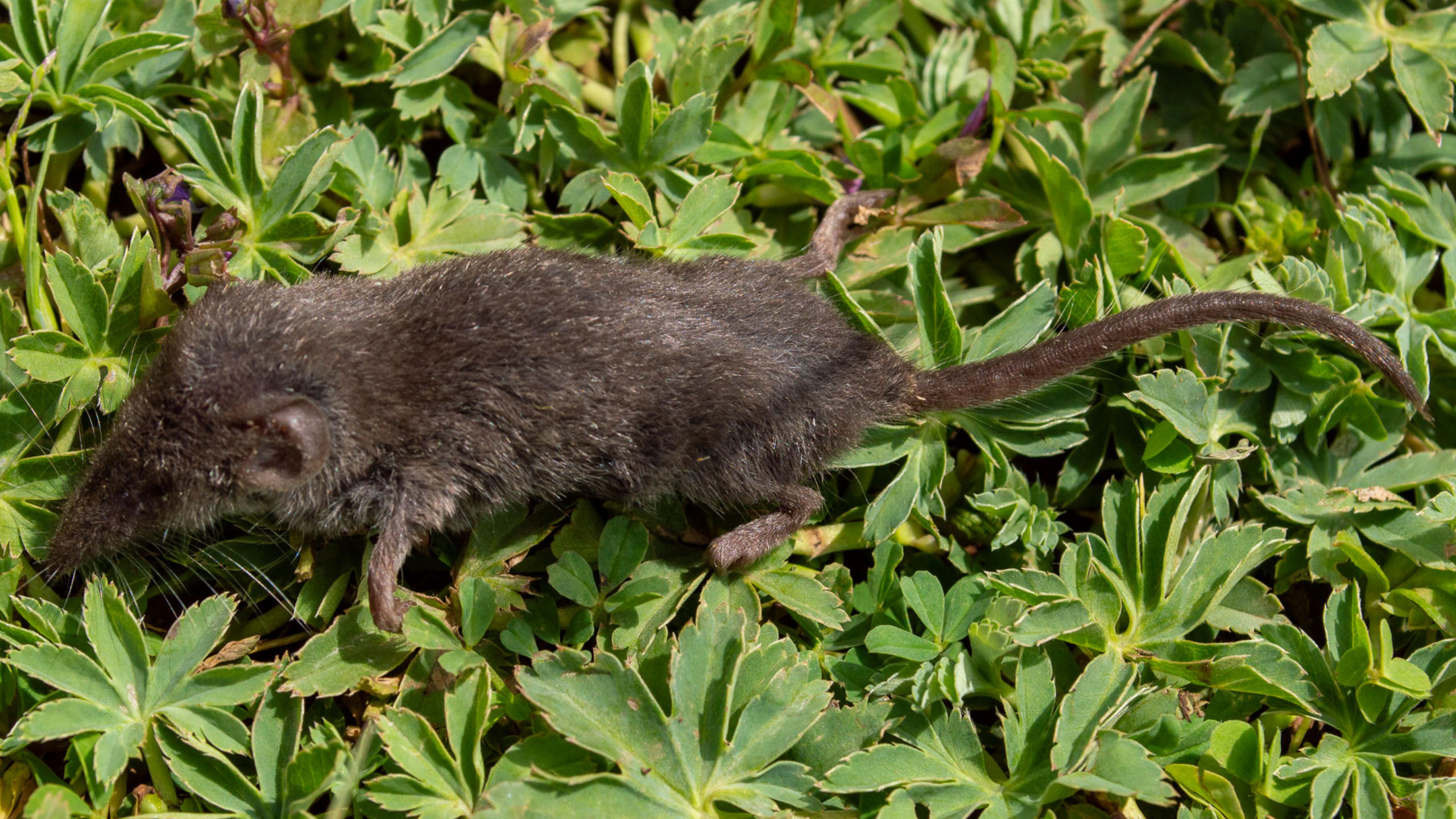
A “slightly flattened” head and a hairy tail
According to the study, the shrew weighs only about 3 grams, roughly the weight of a sugar cube. Its head is described as “slightly flattened,” and its tail short and furry. The body measures about five centimeters, with a three-centimeter tail. This animal ranks among the tiniest mammals on the planet. For comparison, Sweden's smallest mammal is the shrew Sorex minutissimus which weighs 1.2–3 grams.
Why is it important to identify new species?
– Identifying new species, like this tiny shrew, is crucial for documenting the unique biodiversity of the Ethiopian highlands and understand its endemic wildlife. It sheds light on how species adapt to highland environments, their ecological roles, and guides targeted conservation strategies, says Yonas Meheretu.
More knowledge is also needed. As part of their One Health research, the researchers at SLU will investigate whether the newly discovered shrew and the other small mammals sampled in Mount Damota carry zoonotic pathogens and could potentially spread them to humans.
And the name of the new shrew? Crocidura stanleyi.
– It was an obvious choice to name it after Bill Stanley, who meant so much to us and to the field of research. We were deeply moved when it became clear that he had been lucky enough to find a new species, Evan Craig.
Scientific article
Journal of Vertebrate Biology: Integrative taxonomic revision of endemic dwarf shrews from the Ethiopian Highlands
Evan W. Craig, Anna Bryjová, Josef Bryja, Yonas Meheretu, Leonid A. Lavrenchenko, Julian C. Kerbis Peterhans https://doi.org/10.25225/jvb.25031
The funding for sampling in Mount Damota was obtained from the Swedish University of Agricultural Sciences through the SLU Future One Health strategic platform.
Press photos
(May be published freely in connection with articles about this press release. Photographer must be credited.)
Shrew picture 1 Photo: From study.
Shrew picture 2 Photo: From study.
Shrew in pitfall Photo: Yonas Meheretu.
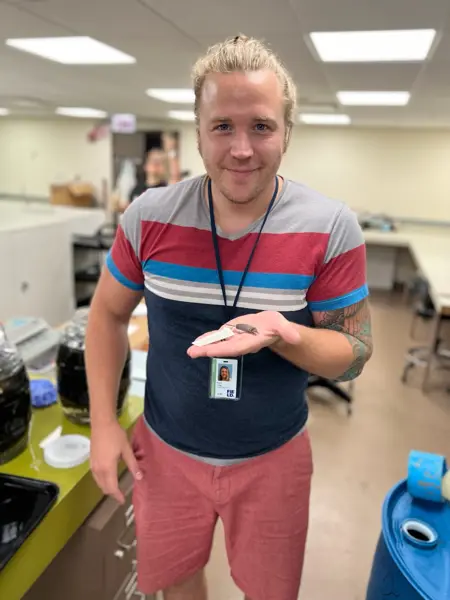
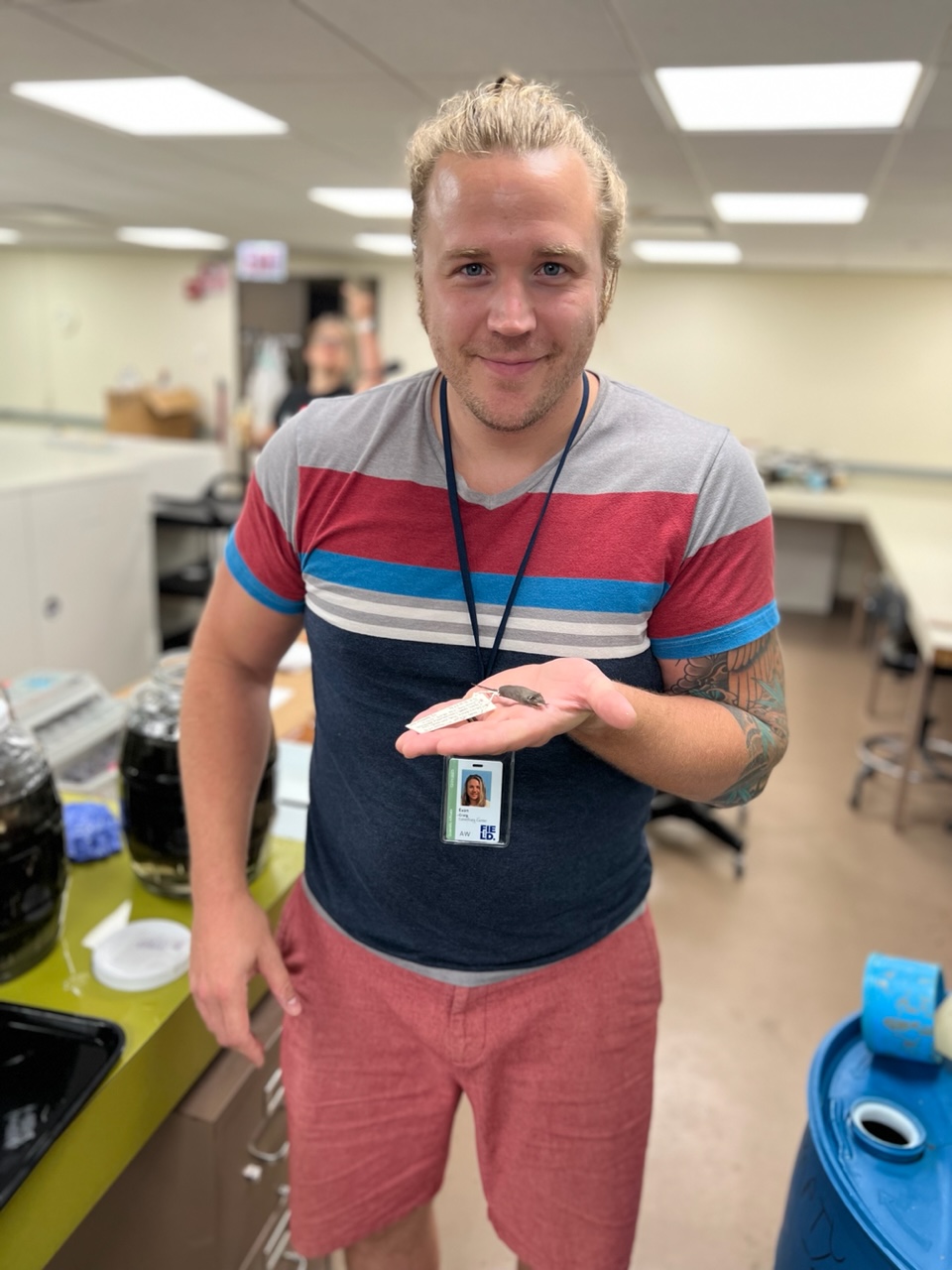
Evan Craig and shrew Photo: Lauren Johnson at Field Museum of Natural History.
Yonas Meheretu och Bill Stanley. Photo: Evan Craig.

Contact
-
PersonYonas Meheretu, Researcher. +46 761196728Department of Wildlife, Fish and Environmental Studies
-
Evan Craig, Researcher, University of Massachusetts Boston.
-
PersonFrida Wengberg, Communications Officer