Circle of life - all together through the silent pandemic
An era comes to an end as more bacteria develop resistance to antibiotics and the certainty that we can cure diseases slowly fades. The “silent pandemic” is sweeping the globe, and the solution now depends on us rethinking our approach together—for the sake of people, animals, and nature as one.
What happens if antibiotics don’t work the next time you or your animal gets sick?
For nearly 100 years, we’ve been able to treat bacterial infections with antibiotics. This has saved millions of lives—and made advanced medical care possible.
But now the situation is changing. More and more bacteria are developing resistance to our medicines. What has long been a standard treatment no longer always works.
Researchers call it antibiotic resistance—and sometimes the silent pandemic.
“If it doesn’t help, it causes harm”

“Unnecessary” antibiotic treatment refers to prescribing the medication when there is still uncertainty about whether:
- The infection is actually caused by bacteria, and can therefore be cured with antibiotics
- Whether treatment is really necessary, or if the body can fight off the infection on its own
One Health Around the World: Tolerance, Trust, and Togetherness
Since the need to treat diseases applies to both humans and animals, everywhere in the world we all live in, we now need to approach this new reality in a way that takes into account all living things and how they affect one another: We call this approach “One Health.”
One Health
= Combining knowledge from human, animal, plant, and environmental health to develop effective interventions. This perspective is based on the understanding that the health of humans, domestic and wild animals, plants, and the surrounding environment (including ecosystems) is closely interconnected and mutually dependent.
What is needed can be summed up in three T:s.
- Tolerance: To be patient when doctors or veterinarians need time to make a diagnosis. This reduces the risk of unnecessary antibiotic use and ensures that antibiotics are prescribed only when truly needed. Symptoms do not always correspond to the cause of the illness, which is why testing is important. This allows us to reserve effective antibiotics for serious and urgent cases.
- Trust that the necessary treatment will be provided. Sometimes the best course of action is to let the body heal on its own, rather than risk using medication that might do more harm than good.
- Understand that we (humans, animals, and nature) are all connected Together

Navigating the Silent Pandemic: What can You, I, and We do?
Prevent the spread of infection whenever possible by:
- Wash your hands
- Sneeze into your elbow
- Keep your distance from others if you have an infection
- Don’t let your animal come into contact with other animals if it is coughing, has a runny nose, or has diarrhea
Are you or your pet being treated with medication? - Then be sure to return any unused medications to a pharmacy. There, they can be disposed of properly, without the risk of ending up in the waste or water systems—and ultimately in the environment
Vaccines are also an increasingly important tool for preventing disease outbreaks. Until now, vaccines have primarily been developed to protect against viruses, but they can also be developed to combat diseases caused by bacteria—an area where we have previously relied on antibiotics.
Fact Box
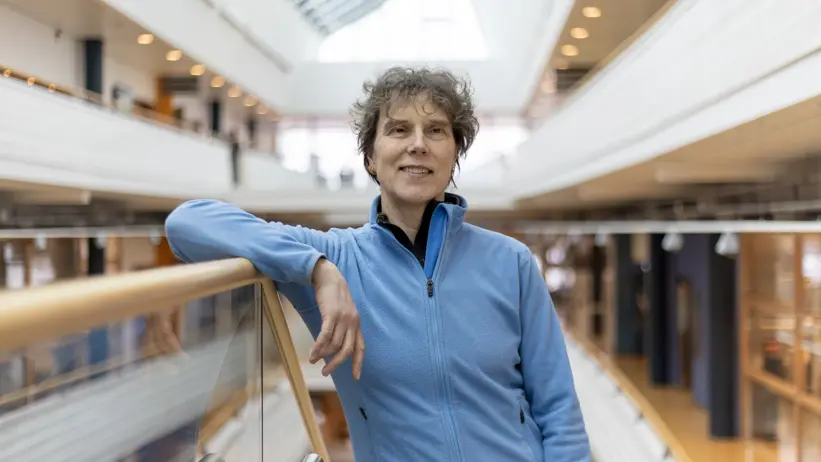
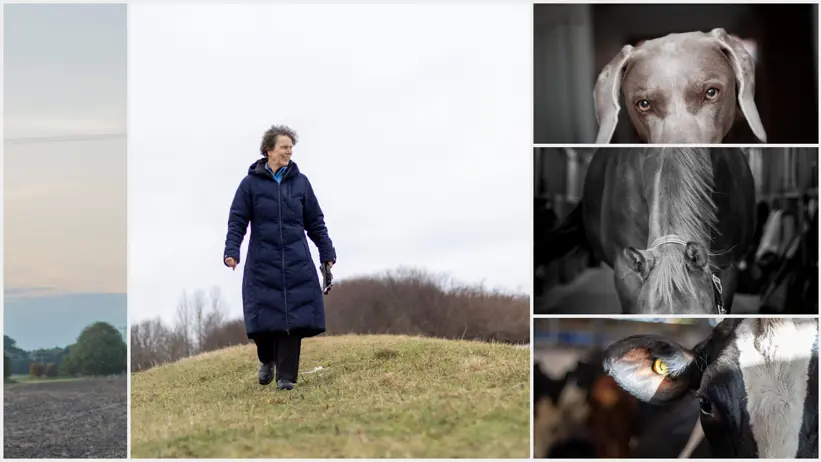
Susanna Sternberg Lewerin is a veterinarian by training, and since 2026 has also served as a professor of antimicrobial resistance (AMR) with a focus on One Health. You can find out more about her and her ongoing research below.
Definitions:
Medicines = All medications we use to treat and cure diseases
Vaccines = Preventive; they can be developed against both viruses and bacteria, but in the past they have been developed more for viruses, as people tend to assume that “we have antibiotics for bacteria”
Antimicrobials (usually antibiotics) = Specifically treat bacteria
One Health: An approach and perspective aimed at sustainably balancing and optimizing the health of humans, animals, and ecosystems. This is achieved through an understanding that these three areas are closely interconnected—where diseases can spread between animals and humans and are influenced by the environment.
Contact
-
PersonSusanna Sternberg Lewerin, ProfessorHBIO, Bacteriology, Virology, Food Safety and Veterinary Public Health