
Researchers from SLU strengthen education of coral reef monitoring in East Africa
In February, a research team from SLU travelled to Zanzibar for a five-day workshop where young East Africans learned how to monitor coral reefs and their inhabitants – an example of how international collaboration can strengthen both threatened ecosystems and the next generation of marine experts.
The aim of the workshop was to inspire, motivate, and train young East Africans working in, or studying, the marine environment. A total of ten participants from universities, government agencies and environmental organizations in Tanzania took part, together with two master’s students from SLU. The main focus of the SLU research team was to teach methods for studying reef fish and monitoring changes in the coral reef environment, starting with reef ecology and study design, followed by practical field exercises and finishing with data analysis and result visualisation.
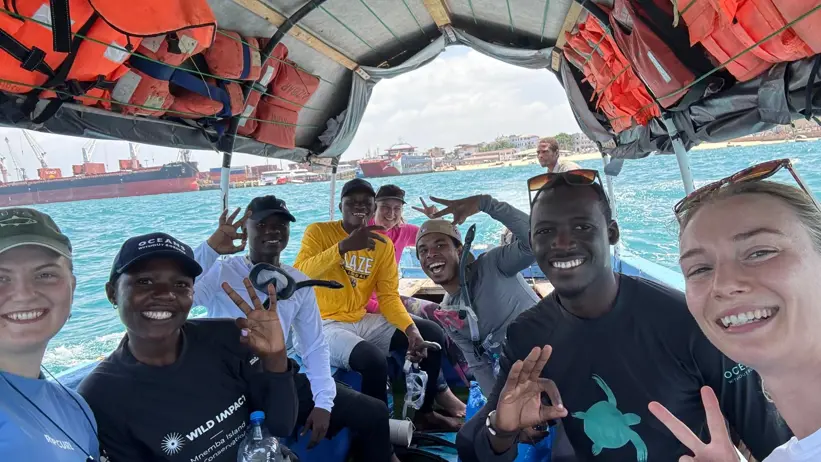
– Although Tanzania is a central part of the biologically rich East African coral coast, opportunities for training in marine environmental monitoring are limited. This made the workshop an important contribution, both in terms of knowledge exchange and strengthening local capacity, says Maria Eggertsen, a researcher at the Department of Aquatic Resources at SLU and project leader for the workshop.
The participants trained in everything from field identification of fish species to different survey methods and the use of underwater drones. Over the course of the week, their skills developed rapidly, and by the end of the course all students were able to independently carry out tasks such as diving down and placing or retrieving equipment from the seafloor and identify key reef fish species.
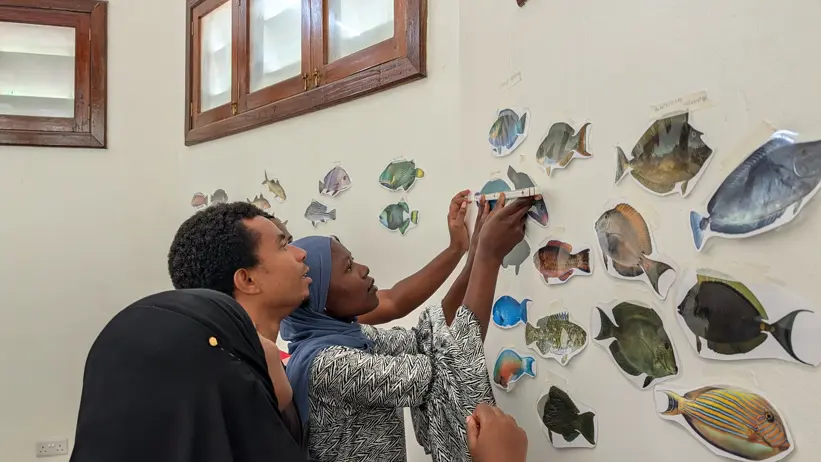
– We hope the participants will continue their underwater adventures using the tools and knowledge they have gained, and that this will strengthen their work in managing and studying Tanzania’s remarkable and unique marine environment, says Peter Ljungberg, an environmental assessment specialist at the Department of Aquatic Resources at SLU and co-organizer of the workshop.
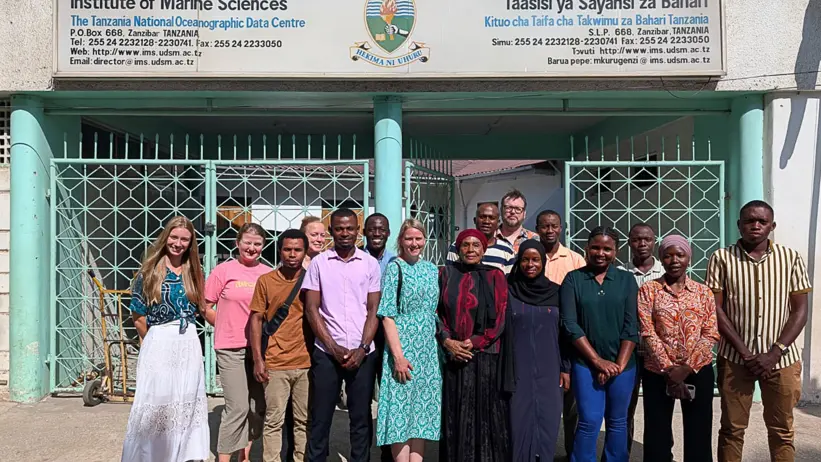
The workshop was conducted in collaboration with researchers from the Institute of Marine Science at the University of Dar es Salaam. The initiative behind the effort is called “Strengthening an inclusive Marine Science Education for Sustainable Coastal Stewardship in Tanzania and Zanzibar” and was funded by SLU Global.
– This initiative is an example of how international collaboration can help protect threatened ecosystems by investing in the next generation of marine experts,” concludes Charlotte Berkström, a researcher at the Department of Aquatic Resources at SLU and co-organizer of the workshop.
Contact
-
PersonMaria Eggertsen, ResearcherMarine conservation and planning
-
PersonPeter Ljungberg, environmental assessment specialistPopulation analysis
-
PersonCharlotte Berkström, researcherMarine conservation and planning