
AgriFoSe2030 highlights decade of science translation driving food systems change
AgriFoSe2030 hosted an important hybrid event to emphasise the impact and outcomes achieved during the last decade.
In an era marked by geopolitical uncertainty, fragmented funding landscapes, and multiple crises affecting global food security, experts are calling for stronger links between research, policy, and practice to ensure food systems decisions are grounded in evidence and deliver tangible impact for communities.
That message was at the centre of discussions hosted by AgriFoSe2030, a programme that has spent the past decade translating science into policy and practice to strengthen food security in low-income contexts across Africa and Asia.
Over the last 10 years, AgriFoSe2030’s science translation methodology has been tested through 17 projects in 12 countries, demonstrating how research can move beyond academic institutions to create lasting change for farmers, communities, and local food systems.
The programme’s approach focuses on turning scientific evidence into practical solutions, strengthening collaboration between researchers, policymakers, practitioners, and local communities. Organisers say this model can help ensure agricultural decision-making is evidence-based, innovations reach farmers on the ground, and successful outcomes can be used to mobilise future investment.
One notable example comes from Uganda’s dairy sector, where AgriFoSe2030-supported research has contributed to increased participation of women in dairy production. The initiative has led to higher household incomes, improved food security, and shifts in cultural attitudes surrounding women’s roles in society.
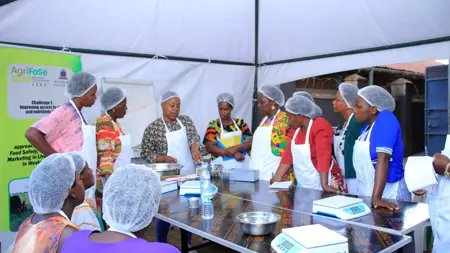
Speaking during a session on applying research to transform communities, researchers from Kyambogo University highlighted how locally grounded research and community engagement were central to achieving sustainable impact.
The event also explored the wider role of universities in shaping Africa’s future through evidence-based decision-making. Speakers included Prof Augustus Nuwagaba, Deputy Governor of the Bank of Uganda; Prof James Mugisha, Dean of the Faculty of Social Sciences of Kyambogo University; and Prof David Okello Owiny, Deputy Vice Chancellor Academic Affairs at Gulu University.
A panel discussion on the future of science translation brought together experts to discuss how collaborative research models can support resilient and sustainable food systems in the years ahead.
Panellists included Dr Elisabeth Rajala, programme director AgriFoSe2030; Robert Musundire, Hub Leader Zimbabwe; Prof Majaliwa Mwanjalolo, Manager of Research, Innovation and Development at RUFORUM; and Ng’endo Machua, science communications specialist from IUCN.
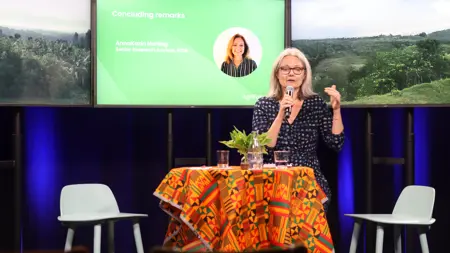
As pressures on global food systems continue to grow, participants emphasised that stronger investment in science translation and university partnerships will be essential to ensuring research leads to practical, scalable, and lasting solutions for food security.
Watch the recording from the impact event
AgriFoSe2030
The AgriFoSe2030 programme targets the UN Sustainable Development Goal 2 - "End hunger, achieve food security and improved nutrition and promote sustainable agriculture" in low-income contexts. AgriFoSe2030 synthesise and translate existing science into policy and practice, and develop capacity to achieve this.
Contact
-
Elisabeth Rajala, Associate professor
Programme Director
Department of Biomedical Sciences and Veterinary Public Health, SLU
Telephone: +46 18-67 20 36
E-mail: Elisabeth.Rajala@slu.se -
Silvija Marcinkevičiūtė
Communications lead AgriFoSe2030
Stockholm Environment Institute, SEI
E-mail: silvija.marcinkeviciute@sei.org