
Browsing moose and deer affect biodiversity – can increase species richness in forests
When ungulates browse, they create new habitats that allow more species of both beetles and vascular plants to thrive in forests. But in some cases, browsing can have the opposite effect on biodiversity. This is shown in a doctoral thesis at the Swedish University of Agricultural Sciences (SLU).
Ungulates such as moose and deer play an important role in our forests. Browsing affects how dense the forest becomes and which species are able to establish themselves, but its impact on biodiversity has long been debated. In his thesis, Joseph Anderson investigated how moose, red deer, fallow deer, and roe deer affect biodiversity in young production forests.
– Ecosystems tend to be most species-rich when disturbances occur at a moderate level. For example, some species benefit after a fire. Browsing by ungulates is a smaller-scale disturbance, and I wanted to find out whether it promotes species richness, says Joseph Anderson, PhD student at SLU.
He used data collected from different parts of Sweden over a period of more than ten years. In one experiment, species richness was compared between fenced areas where ungulates had been excluded and areas where ungulates were free to move and browse as usual.
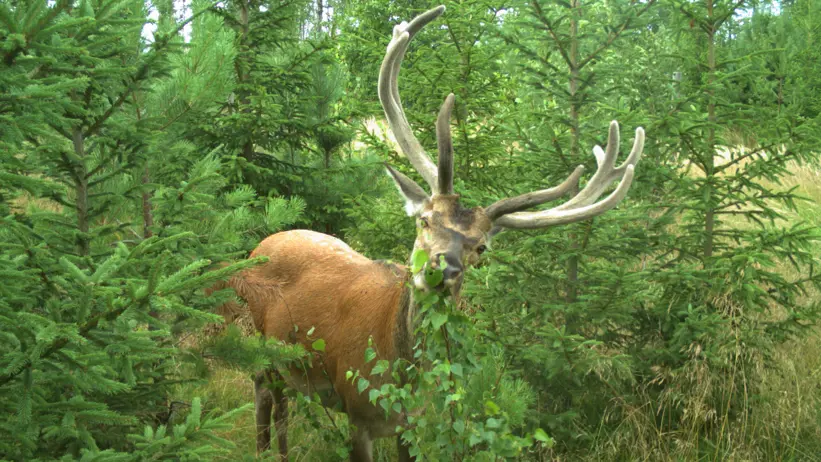
Thins vegetation and increases light availability
The results show that browsing moose and deer affect forests both directly and indirectly. Directly, by feeding on young pine trees, which can cause costly damage to forestry. Indirectly, moose and deer contribute to increased species richness when they consume certain plants while leaving others untouched.
– There is intense competition for light in forests, and when moose and deer browse, they thin out the vegetation. This increases light penetration and variation near the ground, creating space for more species. Such changes can have major implications for biodiversity, says Joseph Anderson.
According to the thesis, vascular plant species richness was highest where browsing pressure was moderate, in other words, where the forest experienced an intermediate level of disturbance. Insects such as beetles also benefited from browsing, particularly when vegetation became more open and the microclimate more even.
However, high and concentrated browsing pressure had the opposite effect on biodiversity, according to the thesis. It suppressed the growth of broadleaf trees that are important for species richness. Oak trees, for example, are essential for beetle groups such as capricorn beetles, which depend entirely on very old oaks.
Browsing by moose and deer therefore creates both costs and benefits in forest landscapes, something that is important to consider when balancing the different goals of forest and wildlife management.
– Rather than focusing solely on the number of browsing animals, the challenge is to find a balance between production, regeneration, and biodiversity, while recognizing that ungulates can also contribute to goals aimed at increasing species richness in forests, says Joseph Anderson.
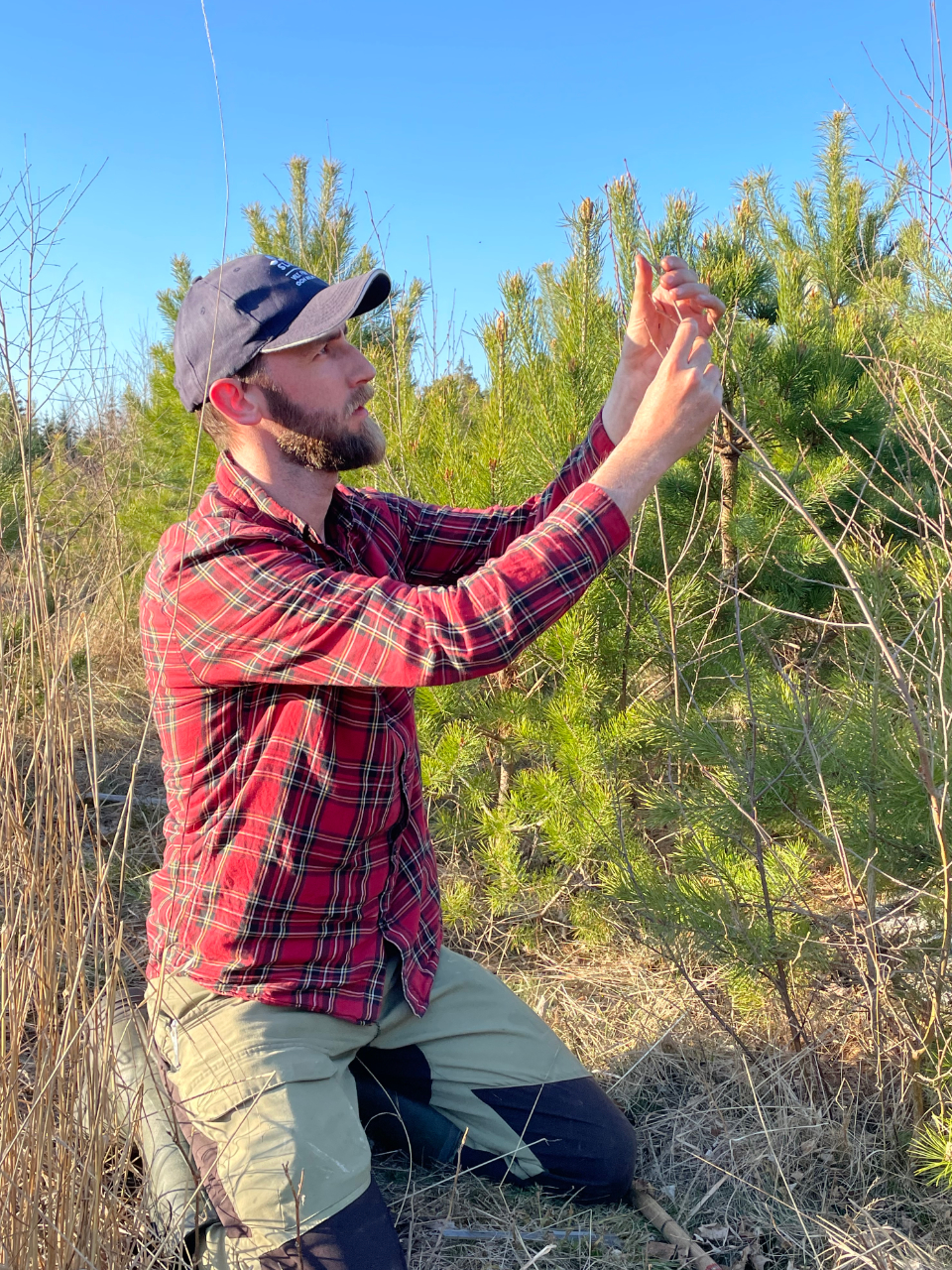
Public defense of the thesis
Joseph Anderson will defend his thesis, “Direct and indirect effects of browsing on forest biodiversity: evaluating the intermediate disturbance hypothesis in boreal forest ecosystems,” on Friday, May 29, 2026, at SLU in Umeå or via Zoom. Link to Zoom here.
Contact
-
PersonJoseph John Anderson, PhD studentDepartment of Wildlife, Fish and Environmental Studies
-
PersonFrida Wengberg, Communications Officer