
Gardens took on a new role during the pandemic
During the COVID-19 pandemic, the number of Twitter posts about private gardens in London increased sharply, and more people linked their gardens to aspects of mental well-being such as reduced restlessness, joy and hope.
“The COVID crisis showed how important gardens are for people’s mental health. Dense cities are not a good idea – they are not healthy – and more people should have access to a garden,” says René van der Wal, professor in ecology, SLU.
Between March and May 2020, the UK entered its first lockdown, and people’s ability to move outside their homes was severely restricted. To assess the importance of gardens, the researchers analysed thousands of Twitter posts and compared the pandemic period with the same period the year before.
In total, they identified 8,866 posts in which people talked about gardens. That was more than five times as many during lockdown compared to the previous year. This increase was not due to a general rise in Twitter activity – it was specifically garden-related posts that increased.
“Gardens became a place for social interaction, practical activities such as gardening and DIY projects, and contact with nature such as birds and insects,” says René van der Wal.
The share of posts linking gardens to mental well-being increased from 4 percent to 20 percent. People described how gardens reduced restlessness and provided hope – something that was much less commonly done before the pandemic.
“So, gardens did not just become more important – they also changed how people thought about them.”
However, not everyone has access to a private garden – something that became particularly evident during the pandemic and contributes to unequal opportunities for well-being.
“Some of those who did not have a garden wrote that they wanted one, or that they were envious of those who did. Such communication was not as visible before Covid,” says René van der Wal.
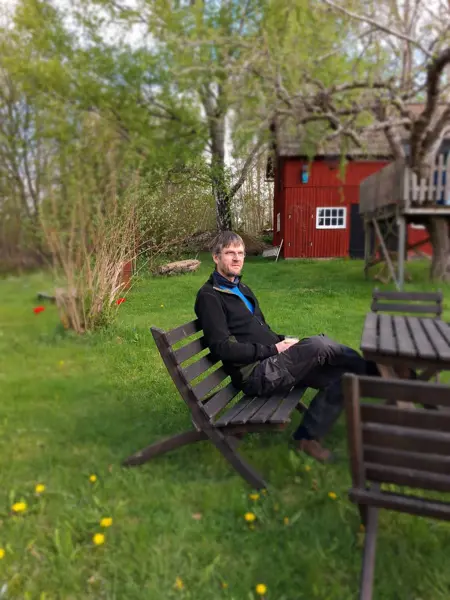
The researchers’ message to urban planners that they need to consider the role and breadth of private garden uses and introduce policies, incentives and practices that support accessible, biodiverse and multi-purpose private greenspaces.
During the lockdown in the UK in spring 2020, people were not allowed to leave their homes except for daily exercise, essential shopping, medical needs and work that could not be done from home. In Sweden, people had greater opportunities to spend time in nature during the pandemic, and both media reporting and Swedish research point to an increased interest in nature.
“In the UK, there is also a different culture around gardens, while Swedes generally have a stronger connection to nature”, says René van der Wal. “But the principle is the same. Cities should not consist only of concrete. Access to diverse green spaces – and the opportunity to encounter nature in everyday life – is an important part of people’s health, not least for children.”
Contact
-
Person
-
PersonAnna Lundmark, Communications officer, SciFestDepartment of Ecology , joint staff/department office