
Landscape structure influences soil-borne pathogenic fungi worldwide
The structure of landscapes surrounding forests and grasslands influences the occurrence of pathogenic fungi in soils worldwide. A new study shows that landscape structure is a key factor in understanding soil biodiversity.
Researchers from several countries jointly analysed soil samples from hundreds of sites around the world to investigate which factors shape the composition of fungal communities in soil, particularly soil-borne pathogenic fungi. The results, published in Nature Communications, show that both landscape complexity and the variation of surrounding land-cover types influence the occurrence of soil-borne pathogenic fungi.
However, the relationships differed depending on the geographic scale analysed and the type of ecosystem studied. The findings show that the interaction between landscapes and soil biology is more complex than previously understood.
– Our findings suggest that what happens in the surrounding landscape can be just as important as local soil conditions when it comes to understanding how plant pathogenic fungi spread and establish, says Petra Fransson, researcher at SLU.
Swedish willow experiment contributes to global study
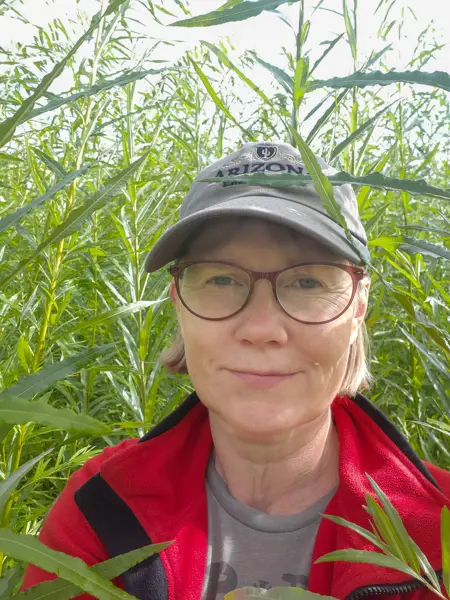
Petra Fransson from the Department of Forest Mycology and Plant Pathology and Martin Weih from the Department of Crop Production Ecology contributed to the study through the long-term field experiment Ecolink-Salix, which has been running since 2014. In this experiment, researchers investigate how different plant traits in willow species and genotypes influence ecosystem functioning within the stand. The research focuses on, among other things, plant productivity, stand stability, nutrient cycling and ecological sustainability.
The field experiment is part of the global network TreeDivNet, where researchers worldwide study how biodiversity affects forest ecosystems.
– We are, of course, only one of many field experiments contributing to the larger study, but it is a valuable way to contribute to research investigating global patterns, says Petra.
Large datasets from six continents
The researchers analysed data from more than 500 plots in 32 countries across six continents. The plots included a wide range of ecosystems, including forests, grasslands, tundra, deserts and agricultural land around the world. By combining genetic analyses of soil fungi with information on climate, soil properties and landscape structure, the researchers were able to identify clear global patterns.
In forest landscapes, variation in the surrounding land use played a particularly important role in determining which fungal communities occurred in the soil. The study also shows that the effects differ among different groups of pathogenic fungi and that the relationships change depending on the spatial scale analysed.
– Our findings can contribute to a better understanding of how changing land use and fragmented landscapes affect soil biodiversity and plant health, Petra concludes.
The study was published in Nature Communications:
“Landscape structure shapes soil pathogenic fungal diversity worldwide”.
Soil-borne pathogenic fungi
Soil-borne pathogenic fungi are fungi that live in the soil and can cause diseases in both cultivated and wild plants. They often attack roots and vascular tissues, which can lead to reduced growth, wilting diseases or plant death.
Many species can survive in soil for long periods without a host plant, making them difficult to control in agricultural and forest ecosystems. Examples of common groups include Fusarium, Rhizoctonia and Verticillium, all of which can cause serious diseases in agricultural crops.