
Four new honorary doctors appointed by SLU in 2026
Four individuals have been named honorary doctors at SLU this year. Among them is a star chef, a reindeer herder, and experts on family forests and Baltic Sea environmental issues.
The 2026 honorary doctors will receive their degrees during the doctoral award ceremony in Uppsala on 3 October 2026. On 2 October, they will give their public lectures in Uppsala which will also be livestreamed on the SLU website.
About this year’s honorary doctors:
Faculty of Landscape Architecture, Horticulture and Crop Production Sciences
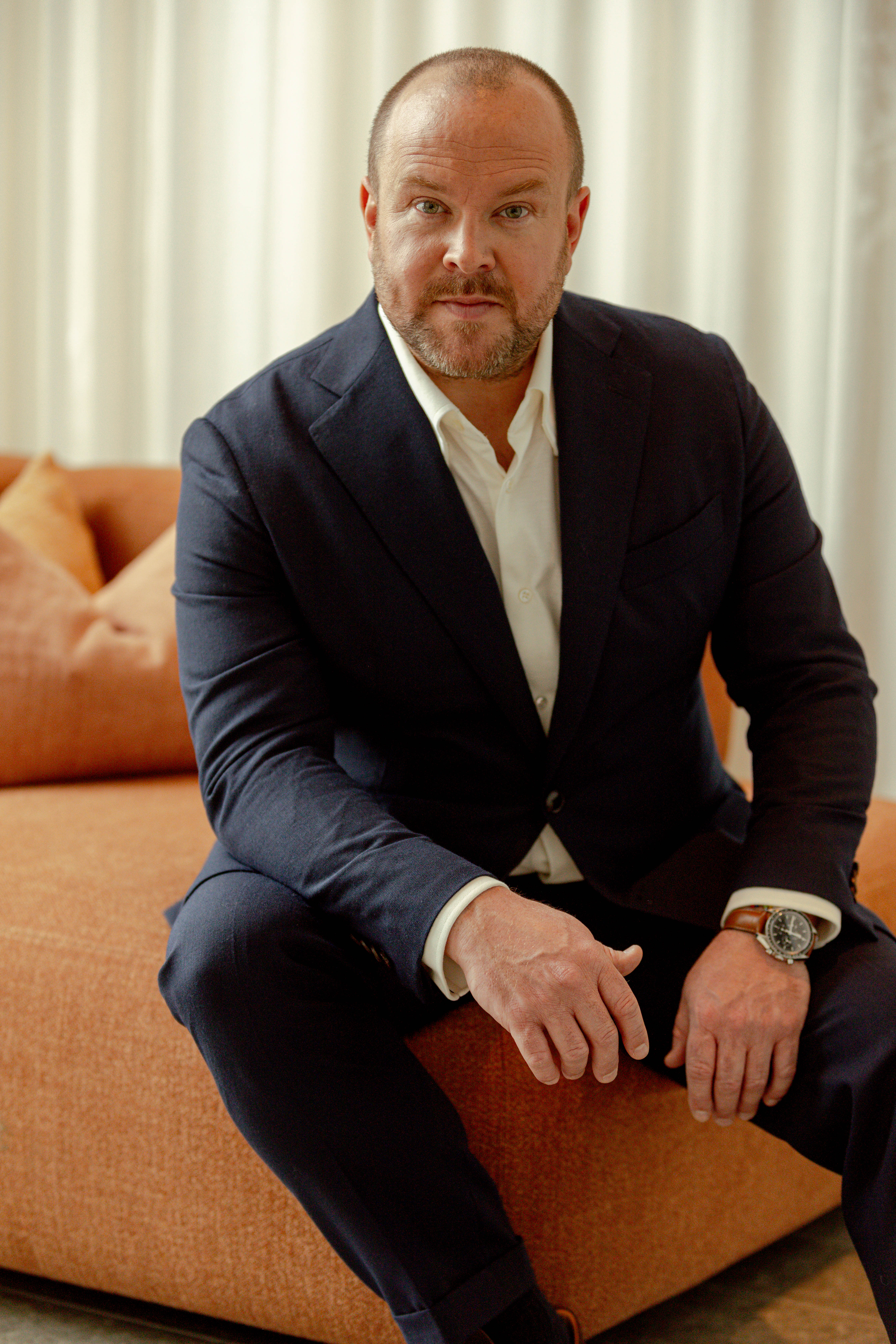
Daniel Berlin is a restaurateur with a passionate interest in creative, innovative culinary experiences inspired by the flora and fauna of Scania and Scandinavia. He has received the Swedish award “Chef of the Chefs” seven times and currently runs Vyn Restaurant in Österlen. Daniel Berlin has contributed his culinary expertise to several collaborations with SLU, including student projects on taste and other sensory qualities, as well as investigations of the properties of old Nordic ingredients and techniques. Today he also cooperates with the Nordic Gene Bank regarding seeds for Swedish gardens and plantations. Through his entrepreneurship and his creation of magical taste experiences using both common and unusual ingredients, he is a great source of inspiration for SLU's students, teachers and researchers.
Daniel Berlin. Photo: Pontus Jonsén
Faculty of Natural Resources and Agricultural Sciences
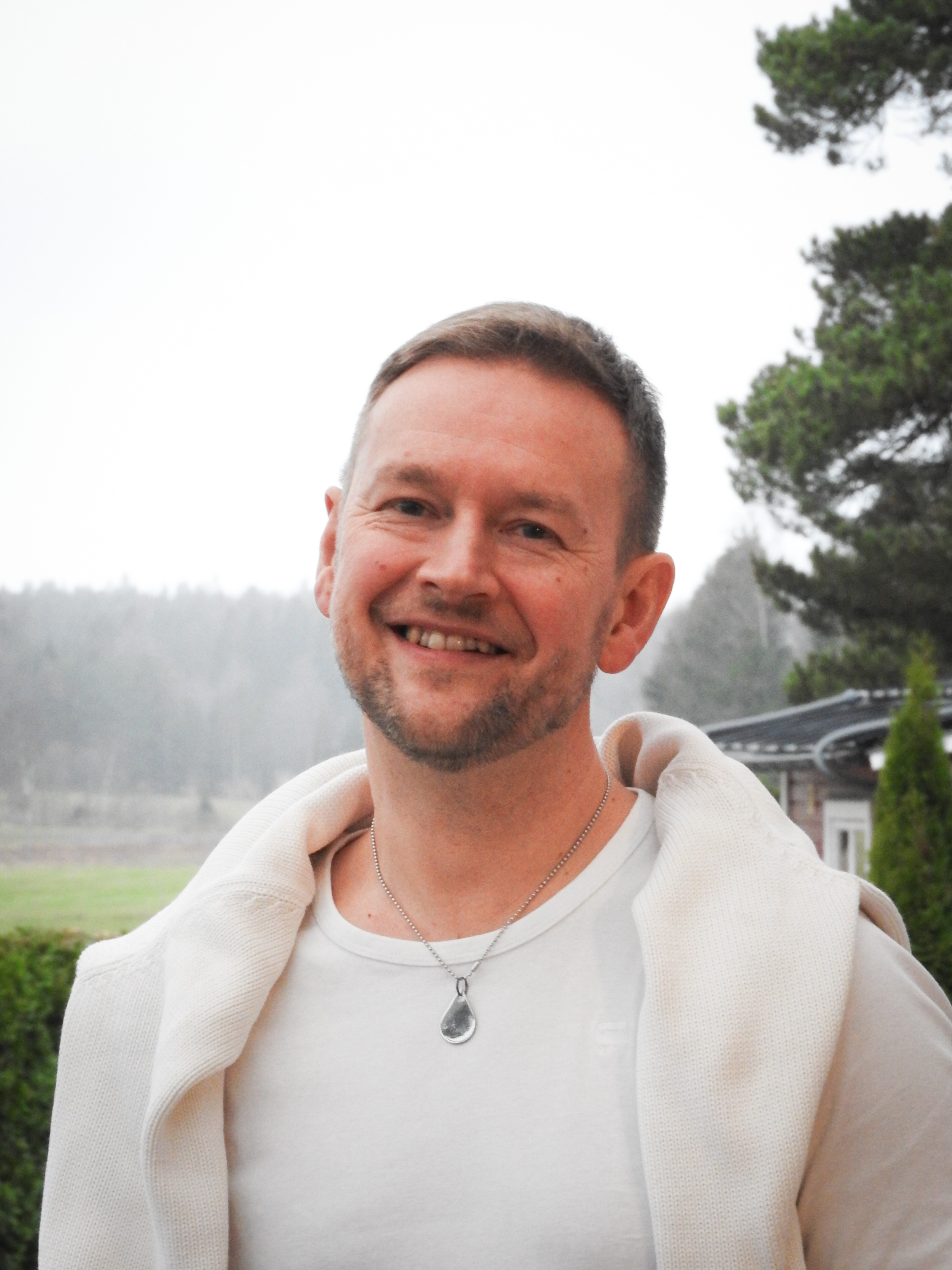
Mikhail Durkin is a biologist who has strived to improve the environment of the Baltic Sea for more than 30 years. Since 2015, he is Executive Secretary of the Coalition Clean Baltic, a network consisting of 28 environmental NGOs. This network carries out and leads many environmental projects and constantly improves cooperation between the Nordic and the Baltic states. The network is also a very important source of information for the environmental work within the Baltic Marine Environment Protection Commission (Helcom), where Mikhail Durkin himself had a leading position during the years 2008–2014. Through his broad knowledge and great commitment, Mikhail Durkin has helped to position SLU’s research and environmental assessment in the work with environmental challenges that affect the Baltic Sea, including areas such as fish stocks, eutrophication, environmental toxins and marine litter.
Mikhail Durkin. Foto: Camille Fraizy, Coalition Clean Baltic
Faculty of Forest Sciences
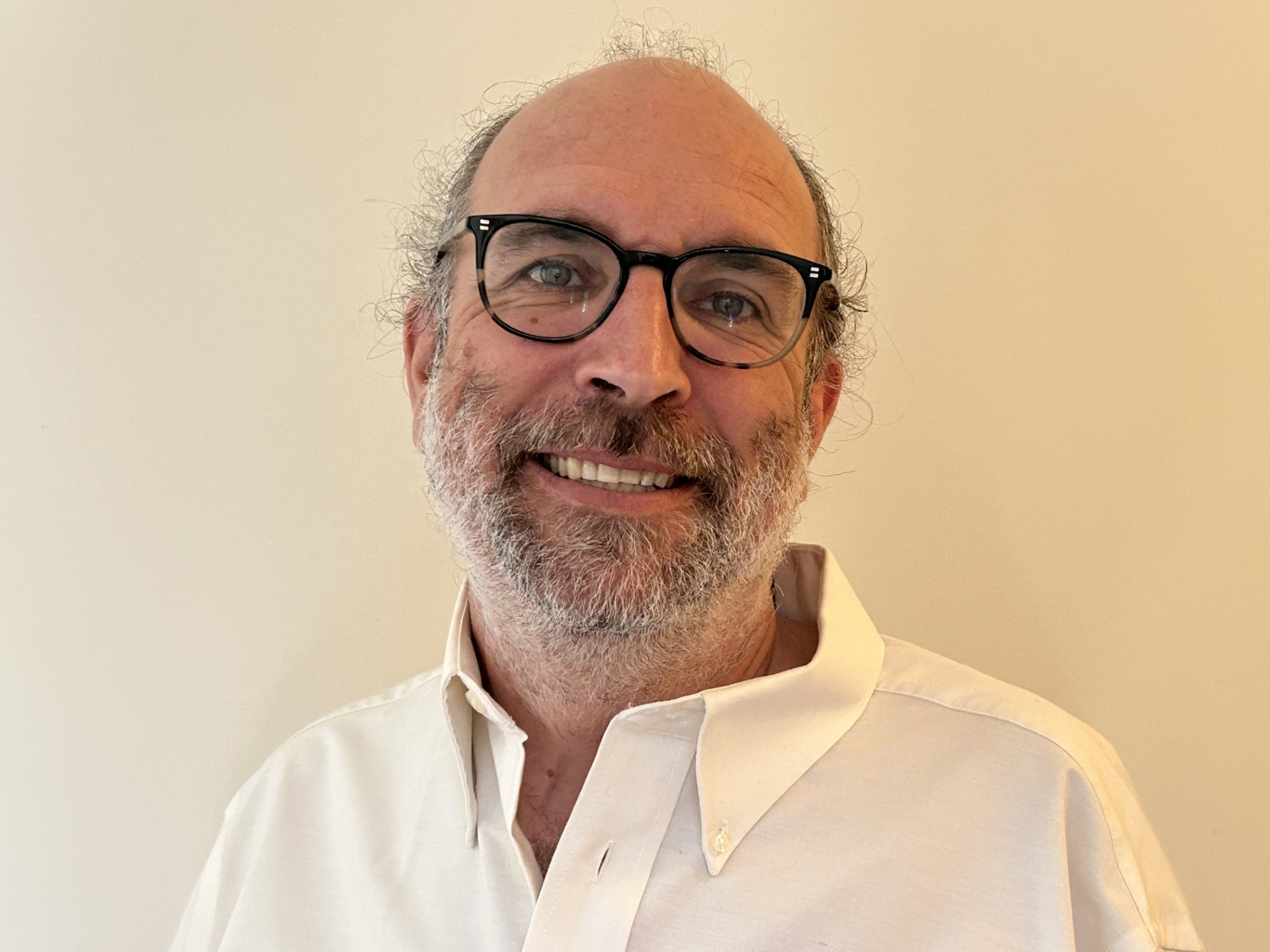
Brett Butler is a research forester at the US Forest Service. He is a world-leading authority in the understanding of the challenges and opportunities that individuals and families face to manage their forest ownerships sustainably. With deep insights into the attitudes, concerns, and dynamics within this ownership group, he supports policies, programmes and services that promote sustainable forestry. In addition to his research, he is co-director of the Family Forest Research Center at the University of Massachusetts, where he is an adjunct professor. Brett Butler has made significant contributions to SLU for a long time. He has co-authored scientific articles with SLU researchers, hosted doctoral students, and collaborated in international research networks. He was an expert reviewer for the research evaluation of SLU’s Quality and Impact in 2018. Currently he collaborates on a project that investigates how forest owners’ cognition and behaviours underpin Swedish forest biodiversity.
Brett Butler. Photo: Ninette Rothmüller
Faculty of Veterinary Medicine and Animal Science
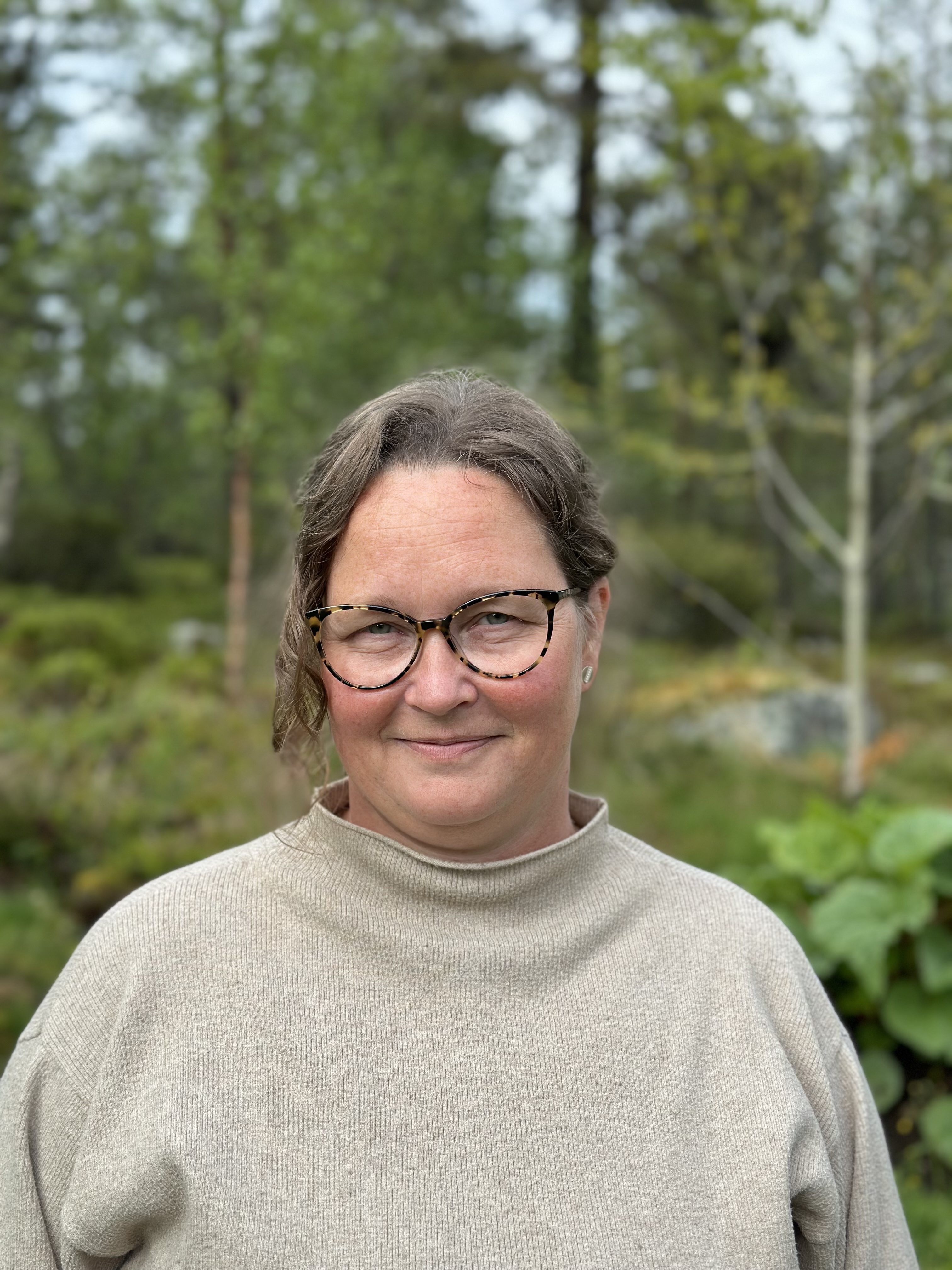
Franciska Rensberg is a reindeer herder in the Ruvhten Sijte Sámi reindeer-herding community (Sw. sameby) in western Härjedalen. Through long-term and systematic breeding work within her own reindeer herd, she has made significant contributions to both reindeer husbandry and research at SLU. For 40 years, she and several other herders in the sameby have weighed calves during both calf marking and autumn round-ups to closely monitor the reindeer’s condition and development, and to identify animals to retain for breeding, thereby strengthening the herd. This work has resulted in an invaluable database containing records of more than 20,000 registered calves and their mothers, including data on calf body mass. The database is a unique resource for the entire reindeer herding industry, but it has also had a major impact on research at both SLU and other universities. To date, it has contributed to two doctoral theses at SLU, and ongoing studies of how reindeer husbandry is affected by climate and environmental change would scarcely have been possible without Franciska Rensberg’s curiosity, openness, deep practical knowledge and her own research ideas.
Franciska Rensberg. Photo: Private
Press photos
The photographs on this page may be freely published in connection with articles about this press release. The photographer/source must be indicated.
Contact
-
The Academy Stewards, Vice-Chancellor's Office
Helena Pennlöv, Academy Steward
helena.pennlov@slu.se, +46-18-67 15 42Ida Hast, Protocol Administrator
ida.hast@slu.se, +46-18-67 10 74