
Beneficial bacteria can help quinoa withstand drought
Quinoa is well adapted to the harsh climate of the Andean region, but longer periods of drought threaten yields. In her new doctoral thesis, Virginia Gonzales investigates how native microorganisms can help quinoa withstand drought and support the development of sustainable bioinoculants.
Quinoa has an exceptional ability to grow under harsh conditions. On the Bolivian Altiplano, at around 4,000 metres above sea level, the crop is exposed to drought, large temperature fluctuations, intense solar radiation and nutrient-poor soils. Climate change is making these conditions increasingly challenging, with rising temperatures and changing precipitation patterns.
– Quinoa is already adapted to extreme environments, but there is still a limit to how much drought it can withstand. That is why we need to understand what makes some plants more resilient, says Virginia Gonzales.
The plant’s invisible helpers
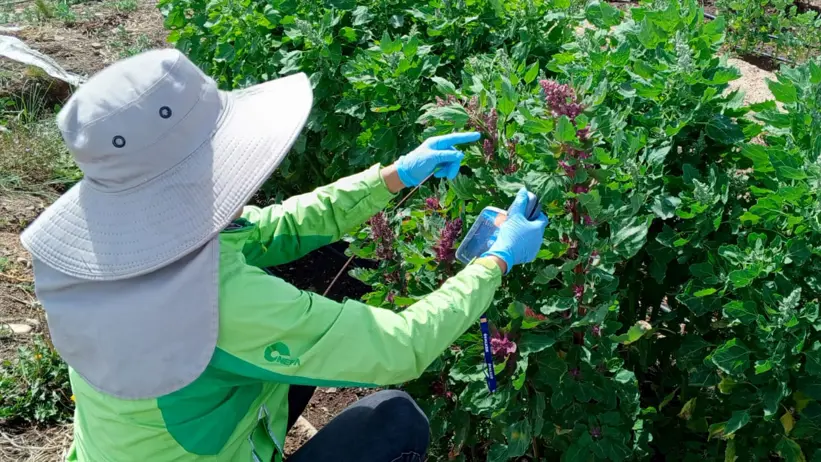
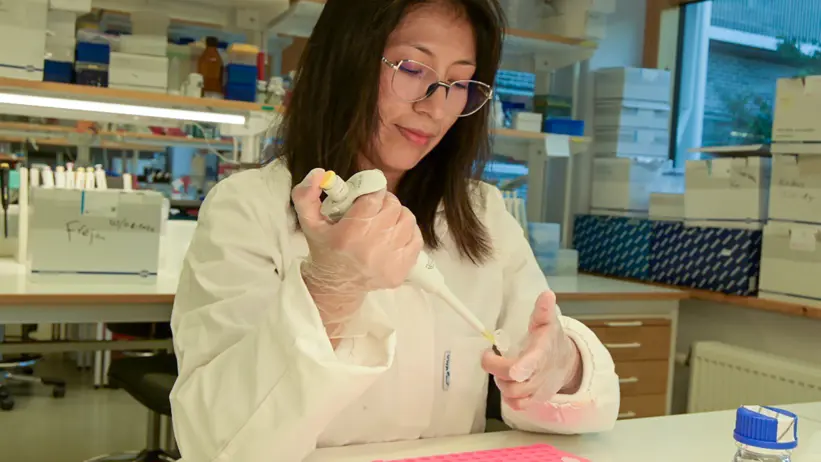
Large communities of microorganisms live around and inside plant roots, forming the plant microbiome. These microorganisms can help plants take up nutrients, stimulate growth and cope with stress. In her thesis, Virginia Gonzales from the Department of Forest Mycology and Plant Pathology at SLU investigated how the quinoa microbiome responds to drought and how plant–microbe interactions can be used to improve the crop’s resilience.
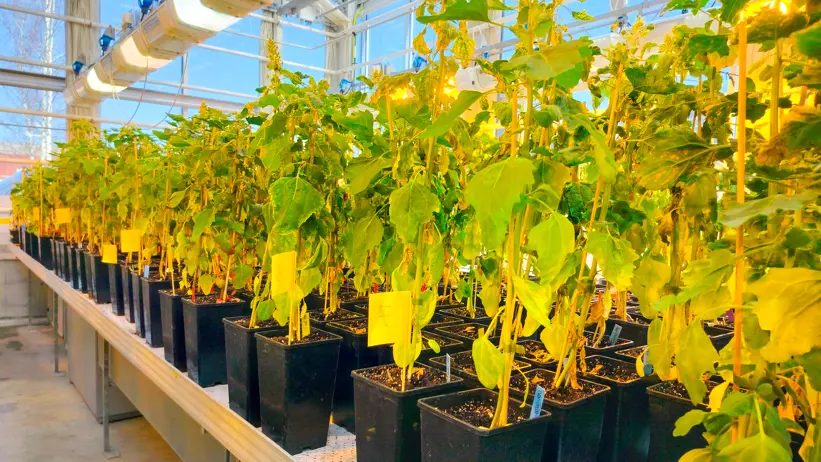
The results show that quinoa genotype strongly influences the bacterial communities found in the roots. When two different quinoa genotypes were exposed to water shortage, drought primarily altered the microbiome of the drought-susceptible genotype. In contrast, the drought-tolerant genotype maintained a more resilient root microbiome.
– It seems that a resilient microbiome can help the plant cope better with drought. We also see that the plant’s genotype influences which bacteria are found in the roots and which bacteria the plant can benefit from, says Virginia.
Drought-tolerant bacteria from the Altiplano
Virginia Gonzales isolated bacteria from the quinoa rhizosphere on the Bolivian Altiplano and screened them for drought tolerance and plant growth-promoting traits. Several strains showed promising characteristics. In particular, strains belonging to the genera Serratia, Pseudomonas and Bacillus enhanced quinoa growth under drought.
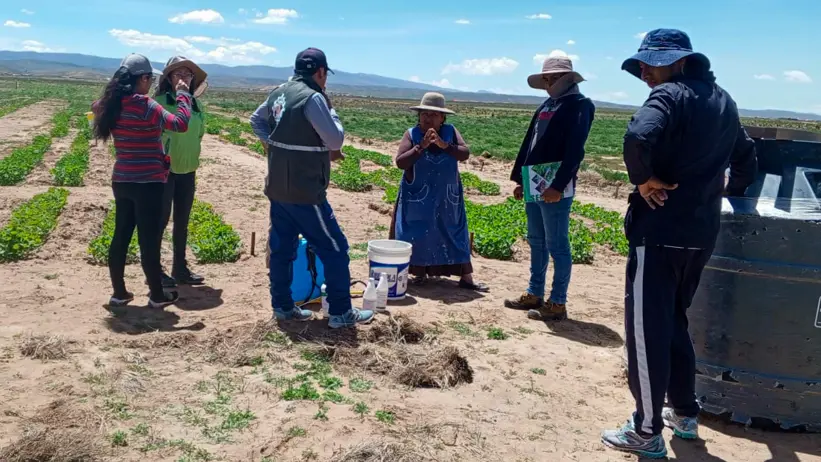
These plant growth-promoting rhizobacteria (PGPR) can influence plant hormone systems, improve nutrient uptake and help plants retain water under stress. For the bacteria to be useful in agriculture, however, they also need to be produced, stored and applied in a practical and cost-effective way. Virginia therefore explored low-cost ways of producing bioinoculants, using spent yeast from breweries as a culture medium and carrageenan bio-beads to carry and protect the bacteria.
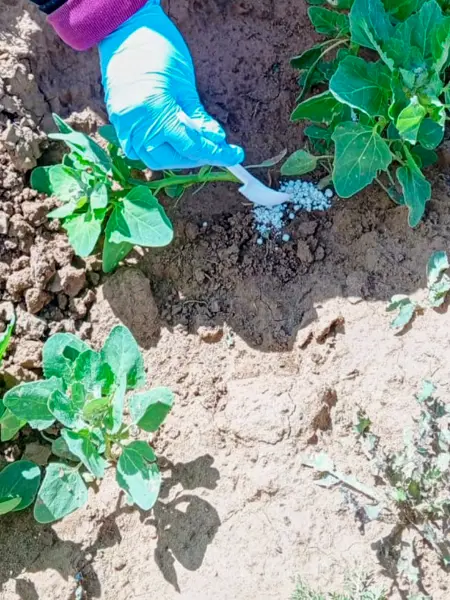
The optimised bio-beads maintained bacterial viability and enabled successful field application. In field trials, Serratia sp. IIFB006 significantly increased both quinoa growth and yield under the challenging conditions of the Altiplano. The effect of Pseudomonas sp. inoculation, however, varied between quinoa genotypes.
– So it is not enough to find a bacterium that works well. We also need to consider which quinoa variety it will be used with. It is the interaction between the bacterium and the plant that determines how well it works, says Virginia.
Local microorganisms for a changing climate
The results show that native, drought-adapted microorganisms could be a valuable resource for more climate-resilient quinoa production. Combining these microorganisms with sustainable, low-cost formulation technologies could help develop bioinoculants that improve crop growth and yield under water-limited conditions.
The research also highlights the importance of plant genotype when developing microbial products. Different quinoa genotypes can respond differently to the same bacterial inoculant, meaning that the interaction between the plant and the bacterium needs to be considered when developing effective microbial solutions for agriculture.
– The microorganisms that naturally occur in this environment are already adapted to drought and other extreme conditions. By understanding and making use of these natural resources, we can develop solutions that are better suited to local farming systems, Virginia Gonzales concludes.
Read more
Virginia Gonzales will defend her doctoral thesis on 10 September at 13:00 in Lennart-Kennes sal at SLU in Uppsala.
Read more about the defence.
Read the thesis:
“Microbial interactions and traits to improve quinoa resilience to climate variability”