
Plants shape the peatland climate balance more than you might think
What role do mosses and grasses play in regulating peatlands’ ability to absorb carbon dioxide? They are more important than previously thought – and may offer a glimpse of how peatlands could be affected by a changing climate. This is shown by new research in a doctoral thesis from SLU.
On the surface, a peatland may look rather unremarkable: mosses, patches of grass and a few shrubs. Beneath the surface, however, lies an enormous store of carbon that has built up over thousands of years. The wet, anoxic conditions mean that dead plant material decomposes slowly, allowing carbon to remain stored in the peat for a long time.
But will these carbon stores remain in the ground as the climate changes? This is one of the questions Antonia Hartmann has investigated in her doctoral thesis at the Swedish University of Agricultural Sciences, SLU. The results show that both the composition of plant species and how they grow over the course of the year play an important role in regulating the carbon balance of northern peatlands.
Peatland plants work together…
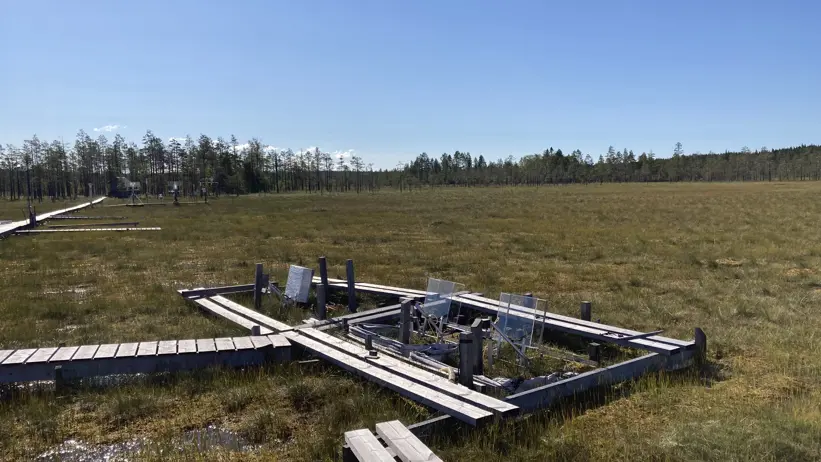
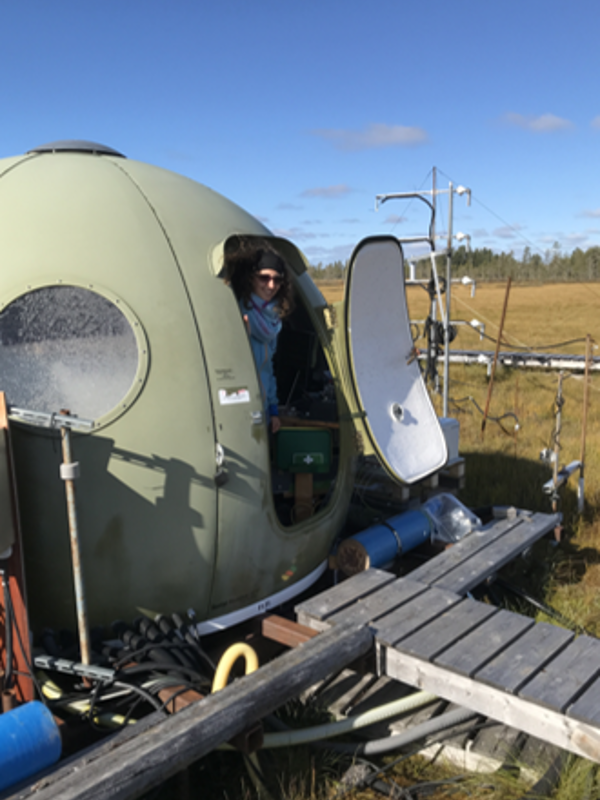
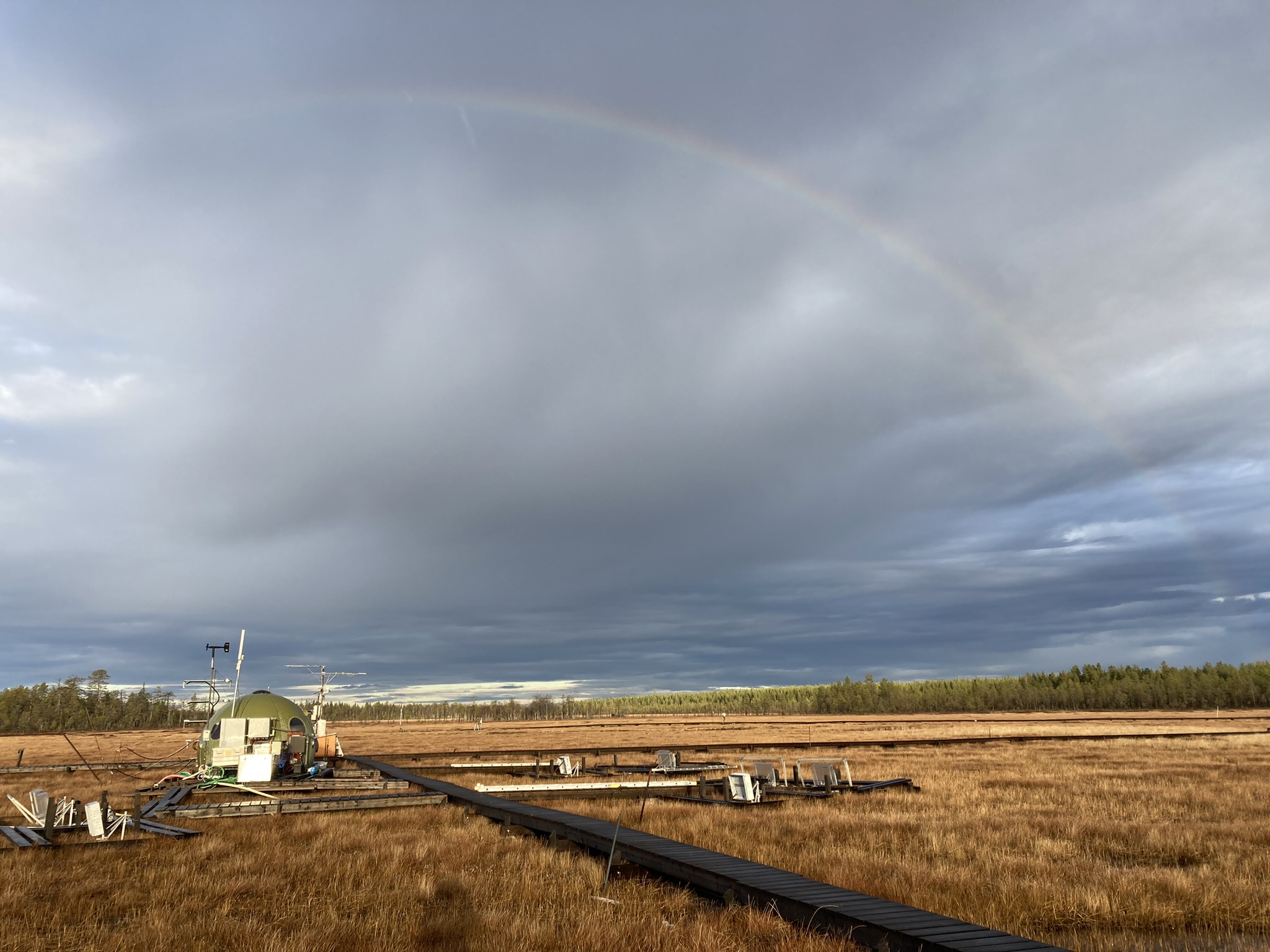
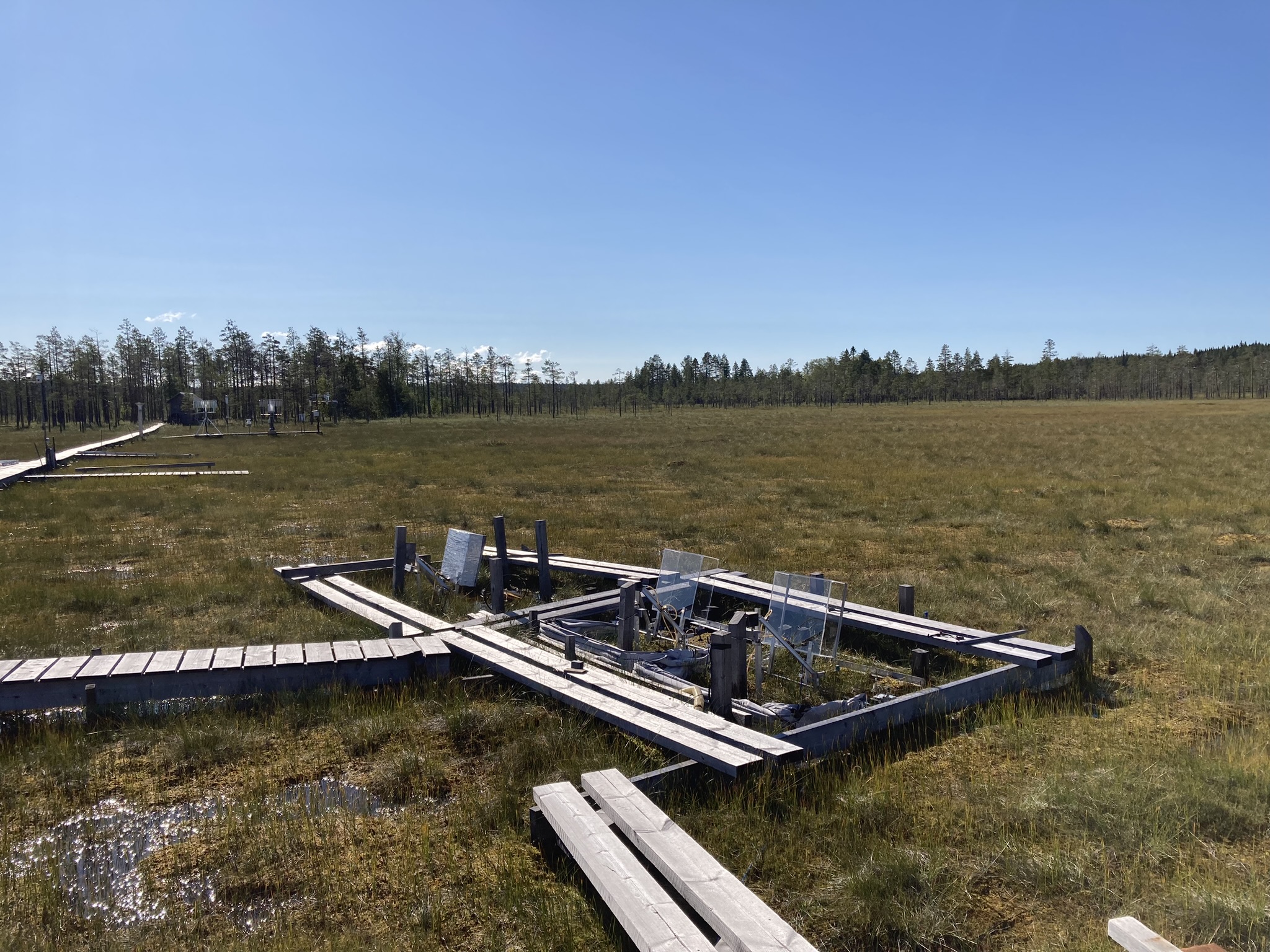
Over three summers, from 2021 to 2023, the researchers monitored greenhouse gas exchanges at Degerö Stormyr, a peatland located near Vindeln, Västerbotten. Using chambers that automatically closed over the peatland surface in hourly intervals, they continuously measured throughout day and night how much carbon dioxide the plants took up, how much was released, and how much methane escaped from the peat. In some chambers, vegetation was left intact. In others, vascular plants were removed, while in some both vascular plants and mosses were removed.
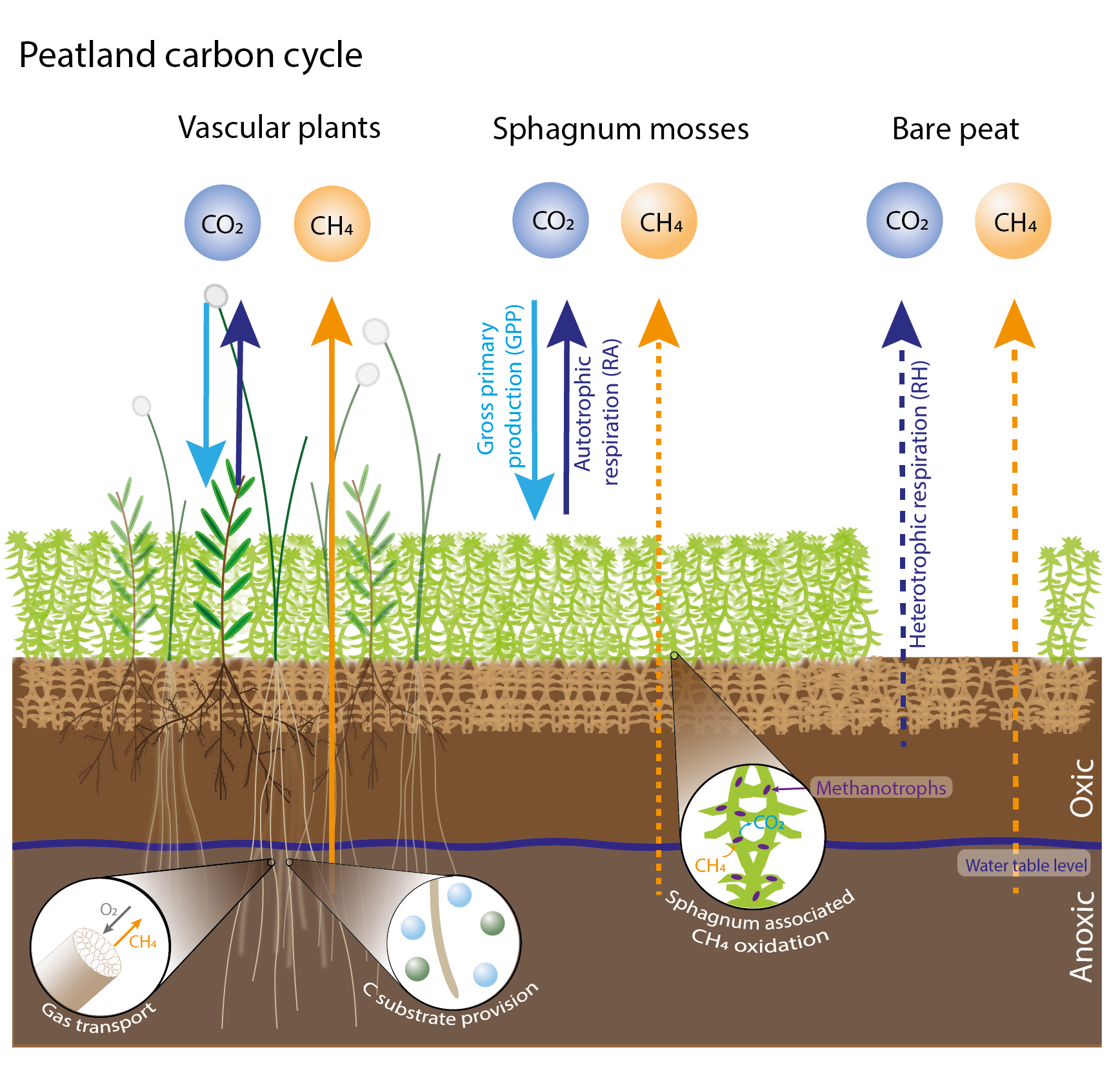
The results show that vascular plants and mosses play different roles in regulating the gas exchanges. Vascular plants, such as sedges and dwarf shrubs, accounted for most of the photosynthetic carbon dioxide uptake during summer. Sphagnum mosses became active earlier in spring and continued photosynthesising further into autumn. They also were more efficient at retaining the carbon they take up.
– Mosses grow slowly, but they are very resource-efficient. In this way, they complement the vascular plants by extending the growing season, says Antonia Hartmann.

…but they also fight
But the relationship between peatland plants can be complicated. And with a changing climate they could affect greenhouse gas emissions in unexpected ways.
If conditions become sunnier and warmer, vascular plants can thrive and expand. More grasses photosynthesize more but can have a downside. Their hollow plant structures can act like small chimneys, transporting methane from the peat up into the atmosphere. Sphagnum mosses, on the other hand, help reduce methane emissions because microorganisms living in the moss can consume the powerful greenhouse gas. A warmer climate could therefore alter the balance between plant groups, and thereby ultimately how the peatland functions.
– Mosses and vascular plants act so differently in different phases of the year, that they are a bit like quarrelling siblings. Sometimes they can seem to do the opposite of each other. But in the end, you still want them both, says Antonia Hartmann.
The study thus shows that different plants affect the peatland’s climate function in different ways, but also that seasonal changes play an important role. This could be both a strength and a risk in the future.
– As long as the plant groups do not outcompete each other, they complement each other’s functions. A more diverse ecosystem will likely be more resilient, and that is something we should strive for, she says.
Thesis and defence
Antonia Hartmann defends her thesis "The role of plant phenology in regulating the peatland carbon cycle" on 28 August 2026 in Umeå. More info for those who wish to attend.
Photos:
Photos are free to use within the context of this article. The photographers name must be included.
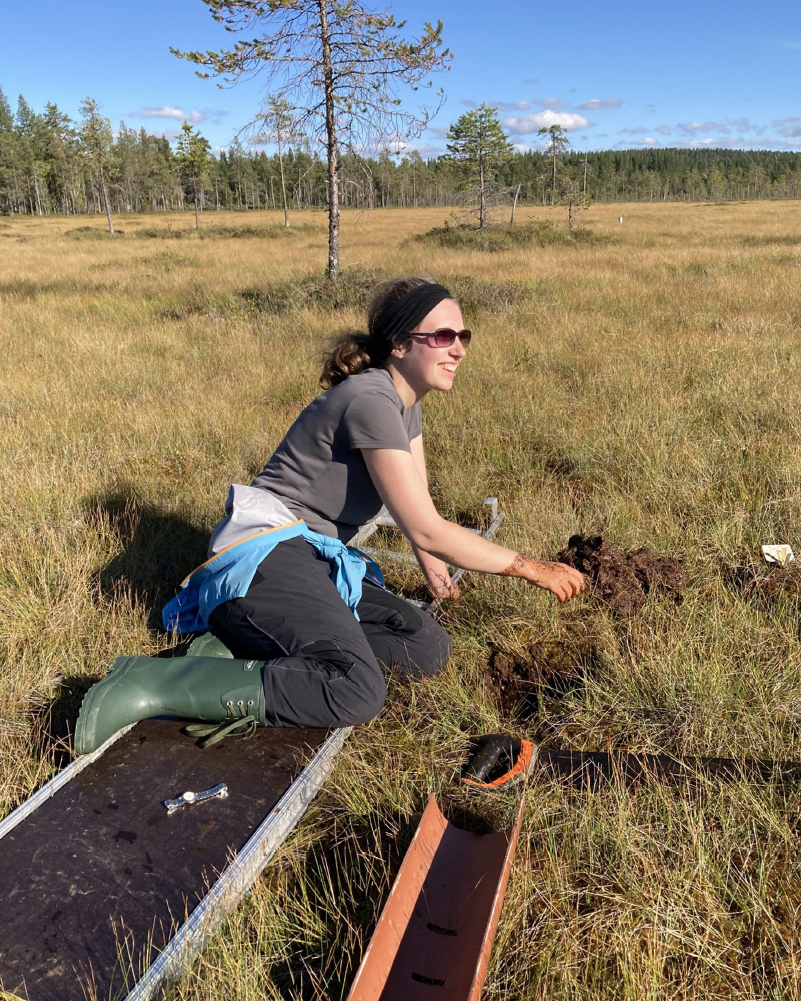
Antonia Hartmann doing field work on Degerö Stormyr. Photo: Aswin Thirunavukkarasu, SLU
Experiment overview on Degerö Stormyr. Photo: Antonia Hartmann, SLU.
Experiment closeup. Photo: Antonia Hartmann, SLU.
Climate chamber closeup. Photo: Antonia Hartmann, SLU.
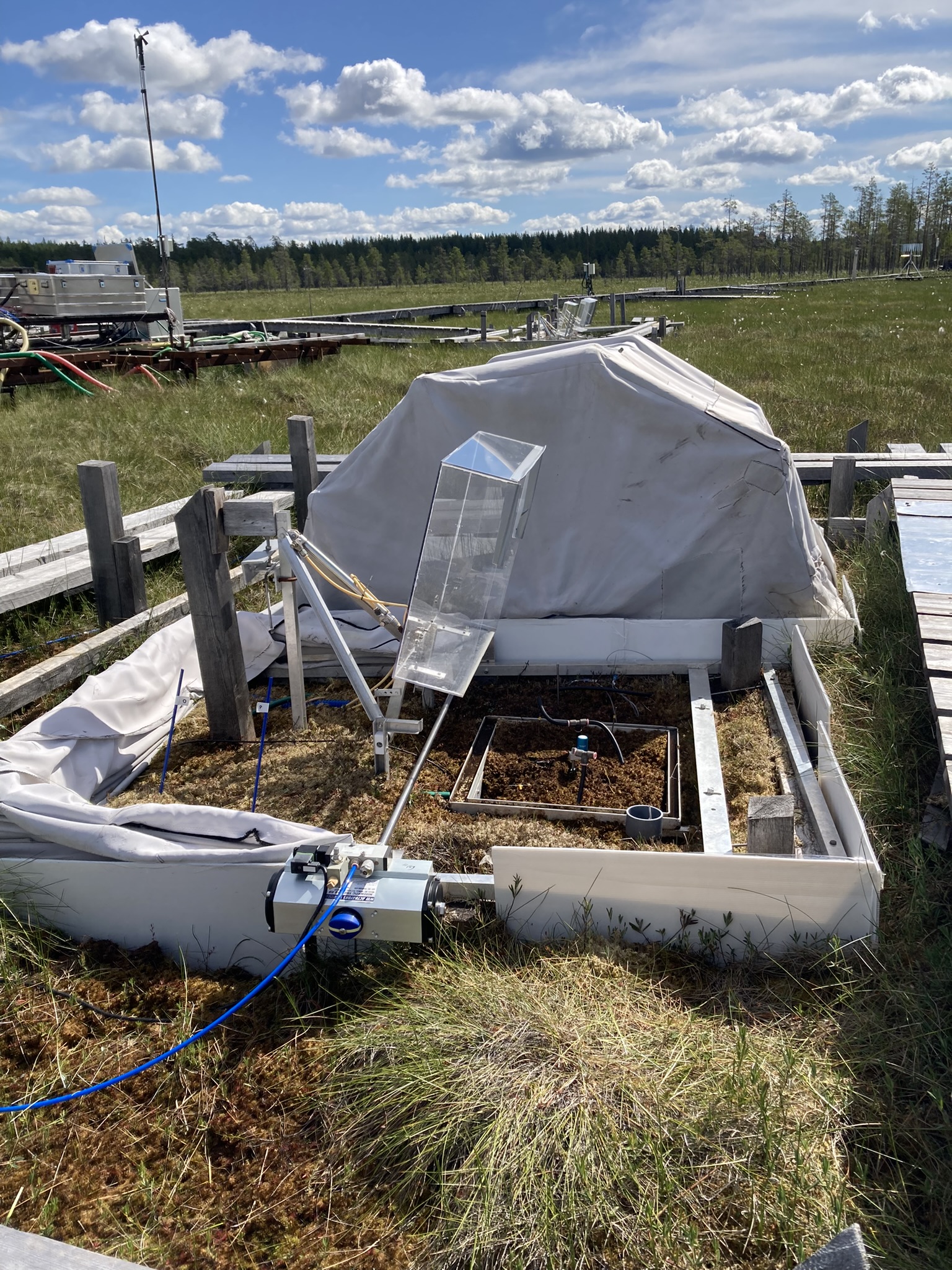
Figure: Vegetation controls on the peatland carbon cycle. Image: Antonia Hartmann, SLU.
Contact
-
PersonAntonia Barbara Daniela HartmannDepartment of Forest Ecology and Management, joint staff
-
Person
-
PersonDaniel Stjärna, Communications OfficerDepartment of Forest Ecology and Management, joint staff