
Exotic Pines do the “Impossible” – by Both Growing Faster and Resisting Drought
Exotic conifers can defy ecological expectations by simultaneously growing faster and showing greater resistance to drought. A new study published in Nature, with contributions from Swedish forest growth data shows how unique advantages in non-native pines can help build climate resilient forests.
It is generally accepted, from evolutionary theory and decades of research, that plants face a fundamental trade-off between either high growth rate or stress tolerance. It is typically assumed that plants cannot achieve both simultaneously. The new study showed that exotic conifers defy this ecological rule.
The international study, led by dr Alex Fajardo at the University of Talca, Chile, compiled annual ring measurements from 1265 trees, including conifers in their native environments and environments where they had been introduced as exotic species. Holding climate and local competition intensity constant, the study showed that the exotic conifer populations grew up to four times faster than their native counterparts, or local native species.
While this pattern was most striking in the Southern Hemisphere, where North American and European conifer plantations have been established over the past century, the pattern also could be seen in North American conifers planted as exotics in Europe. Co-author of the study, Michael Gundale, a Professor at SLU in Umeå, along with Finnish and Spanish colleagues, collected and measured tree cores from exotic Pinus contorta trees in Sweden and Finland, and Pinus radiata trees in Spain.
Following the general global pattern, European exotic conifers grew up to two times faster compared to the local natives or their home range populations in North America. Simultaneously their growth was less responsive to severe drought events, although Pinus contorta in the Nordic region showed negligible drought resistance advantage compared to a much larger advantage exotic conifers have in other parts of the world.
– This is likely due to the lower severity of drought in the Nordic region. A more clear drought resistance response of Pinus contorta in this region might become more apparent in the future as drought events become more frequent and intense, says Gundale.
Fewer Enemies Help Trees “Bulk Up”
A probable explanation for these results is that they escape natural enemies that are more abundant in their home range. This includes specialized herbivores, pathogens, and competitors, says Alex Fajardo, lead author of the study.
This advantage appears to allow exotic conifers to simultaneously achieve high growth and accumulate larger stores of non-structural carbohydrates, such as sugars and starches, which are known to help trees with drought resistance and recovery.
– The growth and drought resistance advantage of exotic conifers is most pronounced in the Southern Hemisphere, which is likely explained because this region has almost no native conifers to harbor pests and pathogens that negatively affect the C budget of the exotic conifers when they are established in this region, says Fajardo.
Valuable Knowledge for More Resilient Forests
Is the solution then to replace indigenous trees with new species? This approach comes with many risks. Previous collaborations between Gundale, Fajardo and colleagues have shown that exotic introductions can frequently have undesirable side-effects, such as resulting in invasions or suppression of local biodiversity. Instead, we should try to transfer these advantages to native species in our forests.
– The best climate mitigation strategy may be to take our knowledge on the underlying mechanisms that allow exotic species to be so successful and use that knowledge to improve the health and stress resistance of our native forests, says Michael Gundale.
"Pines grow faster and are more drought-resilient in the Southern Hemisphere," published September 2, 2026.
Pictures
Photos are free to use within the context of this press release. The photographers name must be included.
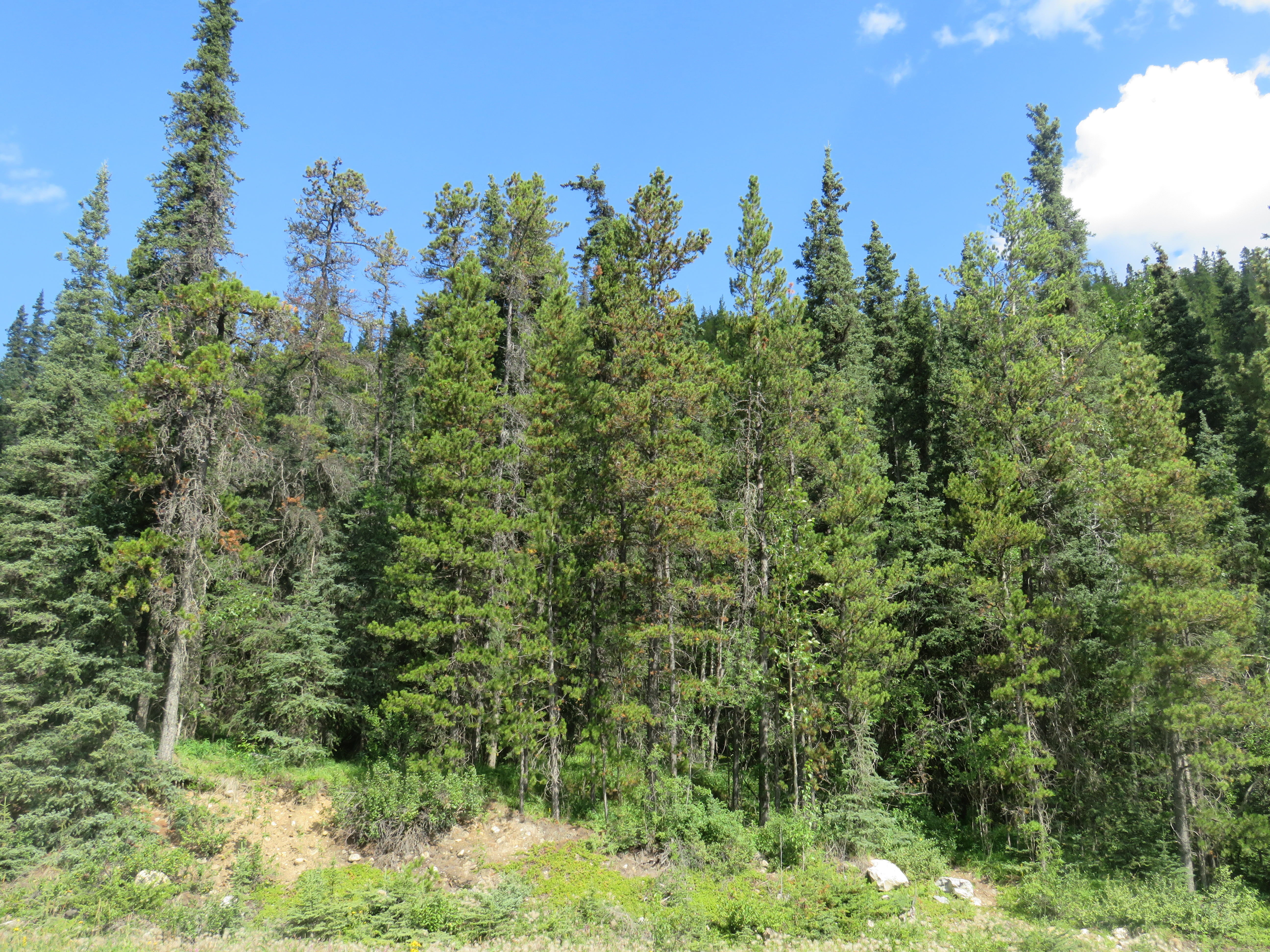
Stand of Pinus Contorta in Canada. Photo: Anne McIntosh.
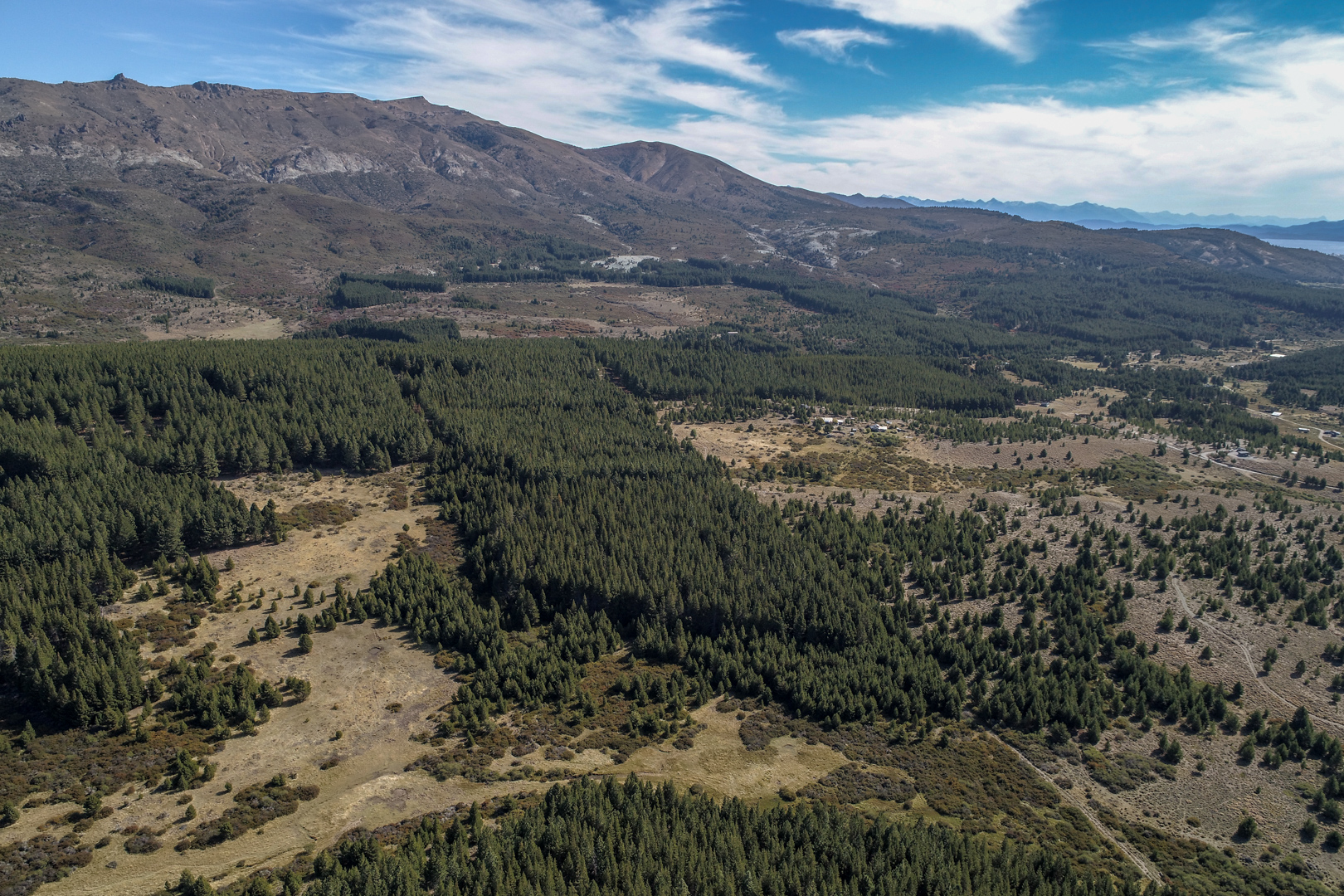
Exotic pine stands in South America. Photo: Jaime Moyano.
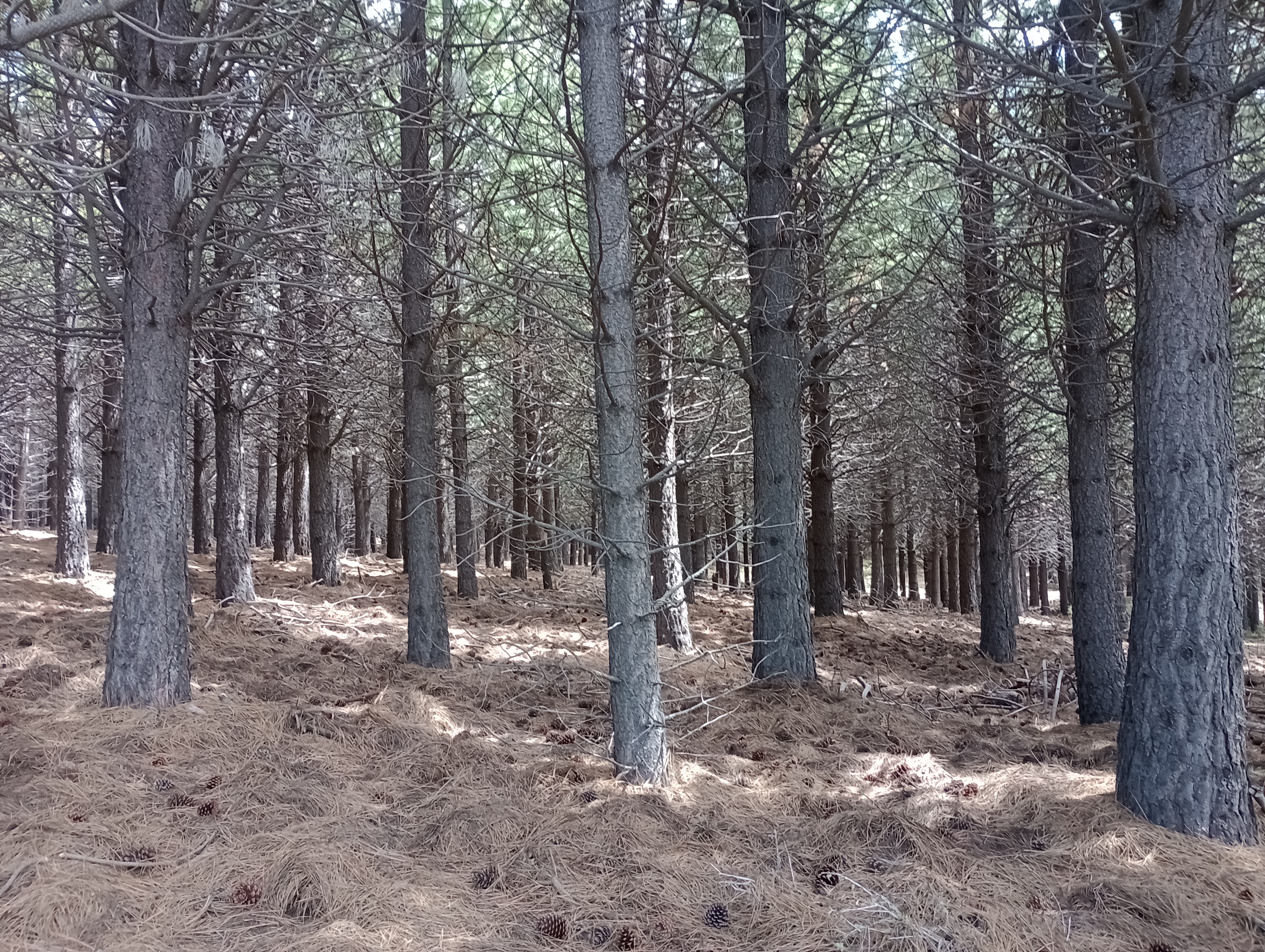
Exotic pines in Argentina showing a dense cover of pine needles on the ground. Photo: Jamie Moyano.
Portrait - Michael Gundale, SLU. Photo: Andreas Palmén.

Portrait - Alex Fajardo, University of Talca.

Contact:
Professor Michael Gundale
michael.gundale@slu.se, +4690 786 84 27
Swedish University of Agricultural Sciences
Dr. Alex Fajardo
fajardo.alex@gmail.com
University of Talca, Chile