
The same water, different perspectives: exploring hidden values in research
What does water mean to an economist, an ecologist or a human geographer? A new group within the SLU Interdisciplinary Academy (IDA) is exploring how different scientific perspectives shape water research and interdisciplinary collaboration.
The project Valuing Water: How disciplinary value systems shape water research brings together five SLU researchers to explore how their academic backgrounds influence the questions they ask, the methods they use and what they consider important.
– When you work across disciplines, you quickly discover differences in how researchers work, communicate and define good research. Some differences are obvious, but we suspect there are also hidden ones. We want to dive into these murkier waters of disciplinary value systems and understand how they affect collaboration, says Sofie Joosse, researcher at the Department of Urban and Rural Development.
One lake, many ways of seeing it
Imagine a lake affected by pollution and rising temperatures. An economist might investigate the costs of water treatment, lost tourism revenue or the economic impact on local fisheries. A human geographer might ask who uses the lake, what it means to nearby communities and whose everyday lives are affected. An aquatic ecologist, meanwhile, might study how changing temperatures and nutrient levels affect the species living there. The same lake, but different questions, methods and priorities.
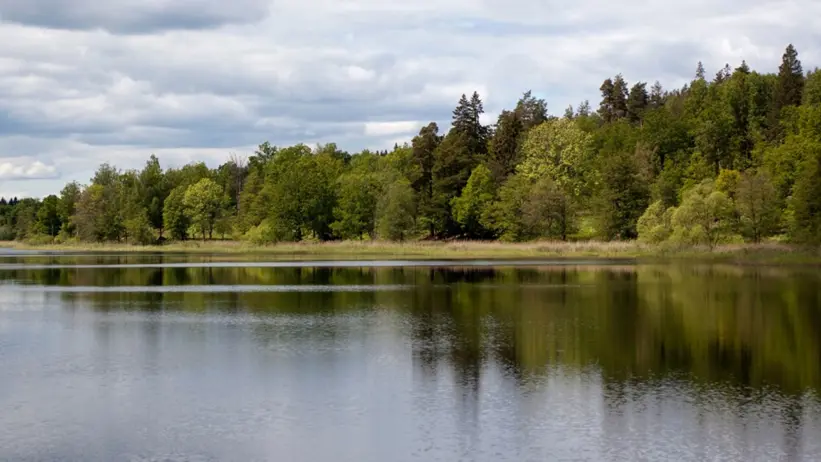
– Every academic discipline teaches its researchers a particular way of looking at the world. Over time, we learn which questions are worth asking, which methods are considered rigorous and what counts as evidence. These assumptions are often so deeply rooted that we are hardly aware of them, explains Josefina Jonsson from the Department of Economics.
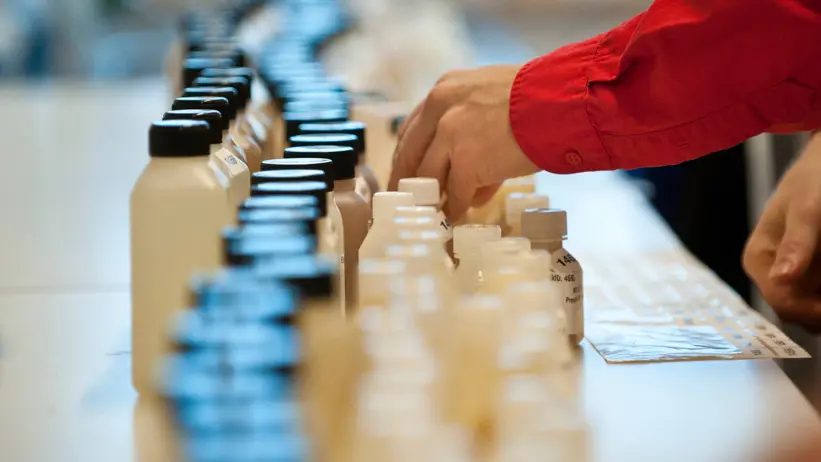
Even familiar terms can mean different things depending on the discipline. One example is "water quality", which may be understood and measured in different ways. The group therefore plans to develop a glossary showing how common water-related terms are used across research fields.
Making the invisible visible
The project brings together expertise in environmental communication, entrepreneurship, aquatic ecology, ecosystem science and aquatic microbial ecology. Some of the most interesting differences are expected to emerge between the social and natural sciences. Different ways of valuing water can sometimes lead to misunderstandings or conflicts, both within research and between groups with different interests.
– We want to understand why different perspectives sometimes lead to opposing views and unproductive discussions. Researchers are not always aware of the assumptions and values that shape their own work. We have already experienced this in our group, and we suspect it is common in other interdisciplinary collaborations too, says Jens Olsson from the Department of Aquatic Resources.
By examining how researchers approach water-related questions, the group hopes to identify underlying differences that may otherwise go unnoticed.
– Making these assumptions visible could help us understand why researchers sometimes struggle to communicate across disciplines, and how we might overcome those barriers, Jens adds.
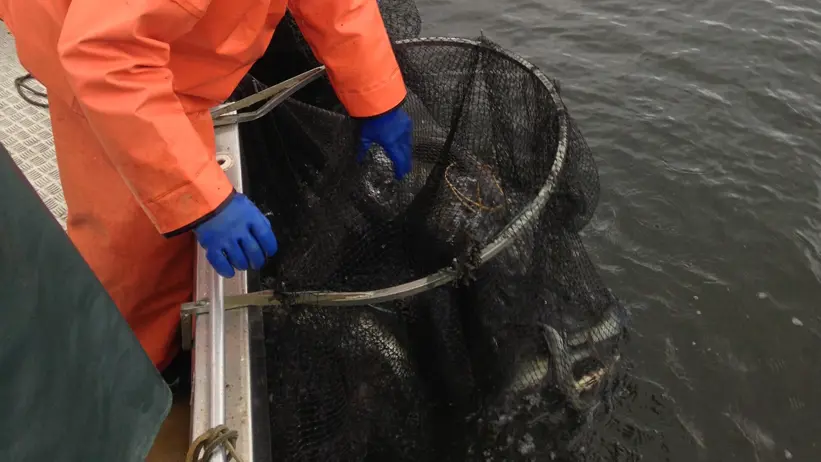
The group will review water research conducted at SLU, looking at how different disciplines study and value water. They also plan to interview researchers involved in interdisciplinary projects to learn from their experiences. Later, the group hopes to develop a case study demonstrating how different disciplines could work together to address a water-related challenge.
– We have many plans, but we also want to give this exploration the time it deserves. One thing we have already discovered is that interdisciplinary research certainly takes time, says Malin Olofsson from the Department of Aquatic Sciences and Assessment.
Learning to speak each other's language
For the researchers themselves, the project is also an opportunity to challenge familiar ways of thinking. Ishi Buffam, from the Department of Landscape Architecture, Planning and Management, has a background in natural sciences and is particularly interested in learning from colleagues who use qualitative research methods.
– As a natural scientist, I am used to working with quantitative data and statistical tests. Understanding approaches used in other disciplines can be challenging, and it takes time. But that is also the point of this project. We want to help each other understand enough to communicate and collaborate across disciplinary boundaries, without having to become experts in each other's fields, says Ishi.
Building bridges for future research
The group sees its work as relevant far beyond water research. Many of today's most pressing challenges, including climate change and biodiversity loss, require knowledge from both the natural and social sciences. Understanding ecosystems and environmental processes is essential, but so is understanding human behaviour, economics, policy and governance.
– We cannot solve these complex problems by staying within our own research fields. We need to learn from each other and bring together different kinds of knowledge. IDA gives us the time and opportunity to develop these collaborations, which is important both for us as researchers and for SLU's work towards sustainable development, concludes Ishi.
Participants
Participants in the project Valuing Water: How disciplinary value systems shape water research:
- Sofie Joosse, Department of Urban and Rural Development
- Ishi Buffam, Department of Landscape Architecture, Planning and Management,
- Josefina Jonsson, Department of Economics
- Jens Olsson, Department of Aquatic Resources
- Malin Olofsson, Department of Aquatic Sciences and Assessment
Text: Cajsa Lithell
Links
SLU's future platforms and interdisciplinarity
About Interdisciplinary Academy (IDA)
The Interdisciplinary Academy (IDA) at SLU was established in 2022 by the NJ Faculty and SLU Future Food, with the aim of building a long-term organization for the development of interdisciplinary research at SLU. Since 2025, IDA is run by SLU Future Food together with SLU Urban Futures. Inspiration has been drawn from the Pufendorf Institute at Lund University and experience has also been drawn from the Futures Lab at SLU. The goal is for IDA to lead to increasing interest in interdisciplinary research work at SLU, strengthen the ability to process research questions from an interdisciplinary perspective and facilitate collaboration between SLU's various departments within the framework of investments in interdisciplinarity. The development of IDA is taking place in dialogue with SLU's other future platforms and SLU Global.
SLU Future Food is a platform that stimulates and develops cross-disciplinary research and collaboration for economically, ecologically and socially sustainable food systems.
SLU Urban Futures is a strategic platform that develops and strengthens transdisciplinary research, education and collaboration in sustainable urban development.