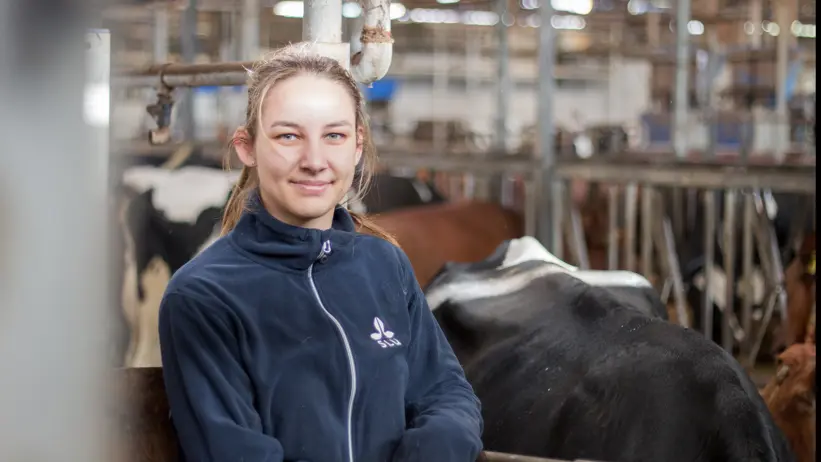
Anna Jansson
Presentation
I am a professor of domestic animal physiology and my main research areas are exercise physiology, nutrition, temperature, fluid and electrolyte balance regulation and the links to performance, production and health. Most of my studies concern horses but I also study cattle and pigs and have also had projects on the house cricket.
I am a livestock agronomist (sw. “husdjursagronom”). I have a PhD in domestic animal physiology and is appointed “Docent” in nutrition and exercise physiology. In 2012 I became a professor at Hólar University in Iceland in “Equine Science” and also promoted to professor at SLU in the subject of horse management and feeding. A few years later I was recruited as a professor of domestic animal physiology at SLU and am still a visiting professor at University of Iceland at Hólar.
I have published more than 100 scientific publications (SEE) and have supervised more than 10 doctoral students. I have conducted research both in Sweden and Iceland but also SIDA-funded projects in Cambodia and Laos. During 2014-2026 I have been a member of the international committee for The International Conference of Equine Exercise Physiology (ICEEP).
My teaching has mainly focused on the same areas as my research, but I have also taught scientific methods and writing. I received the ULS Pedagogical Prize in 2014, which I am very proud of. I have extensive experience in popular science communication and text production and was, among other things, editor of Foderbladet (ISSN:1652-683X), which was aimed at both private individuals interested in research and professionals in the horse industry.
I have been Head of department for several years and I am now lead the relatively newly established Department of animal biosciences at SLU.
Research
Cattle - for sustainable food security in times of water scarcity
A project with the overall aim to investigate whether it is possible to significantly reduce the need for groundwater as drinking water for Swedish cows by changing the watering routines, and perhaps the choice of cows. So that Swedish water resources can be used efficiently and help Swedish farmers find solutions if groundwater availability becomes limited.
Want to read popular science about the project? Meet the project's PhD student Lea Managos in the portrait below.