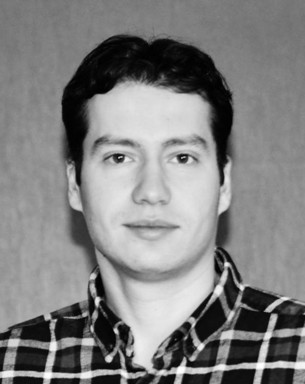
Fotios Pappas
Presentation
I am a doctoral candidate in statistical genetics and epigenetics at SLU. I develop quantitative-genetic, Bayesian and machine-learning approaches to study complex reproductive traits with particular emphasis on sex-specific and mating-specific fertility.
My work combines genomic, epigenomic and phenotypic information to better understand reproductive variation and improve its prediction in breeding populations. I have a multidisciplinary background in biology, animal science, bioinformatics and applied breeding R&D.
Research
The main focal point of my PhD project is linked to investigating the genetic and epigenetic architecture of fertility in Arctic charr (fjällröding). My research efforts focus on quantifying how male and female effects, their interactions and sperm DNA methylation contribute to variation in fertilization success and related reproductive phenotypes (e.g., sperm motility).
My research involves:
- quantitative genetic analysis of observed and latent fertility phenotypes
- mating-specific prediction of fertilisation success
- Bayesian and machine-learning methods for reproductive outcomes
- application of state-of-the-art omics technologies, including EM-seq and Oxford Nanopore sequencing, to investigate sperm DNA methylation and its relationship with male fertility
- integration of genomic and epigenomic features to predict sperm-quality phenotypes
Teaching
I have co-supervised student dissertations and contributed to teaching in the following MSc-level courses:
- Genome Analysis (15 credits)
- Sustainable Aquaculture (15 credits)
- Designing Breeding Programmes (15 credits)
Cooperation
My supervisory team consists of: Christos Palaiokostas (principal) and Martin Johnsson from SLU (Sweden), Paul Debes from Hólar University (Iceland).
My research project heavily relies on the collaboration with VBCN (Vattenbrukscentrum Norr) that hosts the national fish breeding programs.
Scholarship recipient and participant in the of the The Swedish National Graduate School in Medical Bioinformatics
Background
- Data analysis and genetics specialist, Växa R&D, Sweden
- Double MSc in Animal Science and Bioinformatics, SLU, Sweden
- BSc in Biological Sciences, AUTh, Greece
Links
Google scholar profile: https://scholar.google.com/citations?user=Om0Qn7sAAAAJ&hl=sv&oi=ao