
How natural enemies can reduce pests
“My work connects plant health with overall ecosystem health because when natural enemies, like insects, control pests, crops grow better and require fewer chemicals, which is healthier for the environment”, says new PhD Grace Mercy Amboka, Department of Ecology.
Who are you? Could you give a short presentation of yourself and your research area?
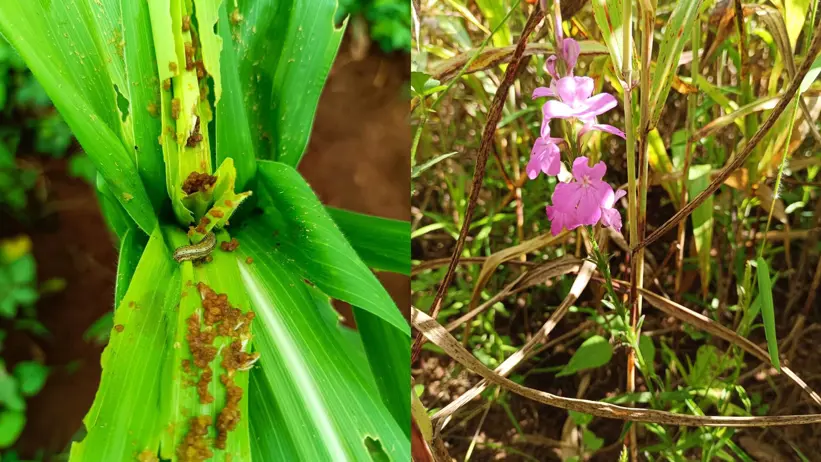
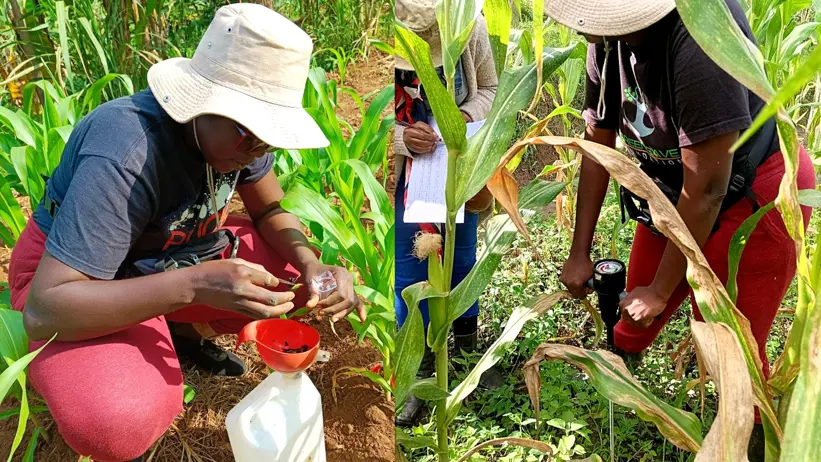
“I'm an ecologist, and I study how insects can naturally reduce the number of pests that damage crops. My research looks at how different farming methods, like mixed cropping and monocropping, and the surrounding environment, such as soils and the surrounding landscape, affect these helpful insects.”
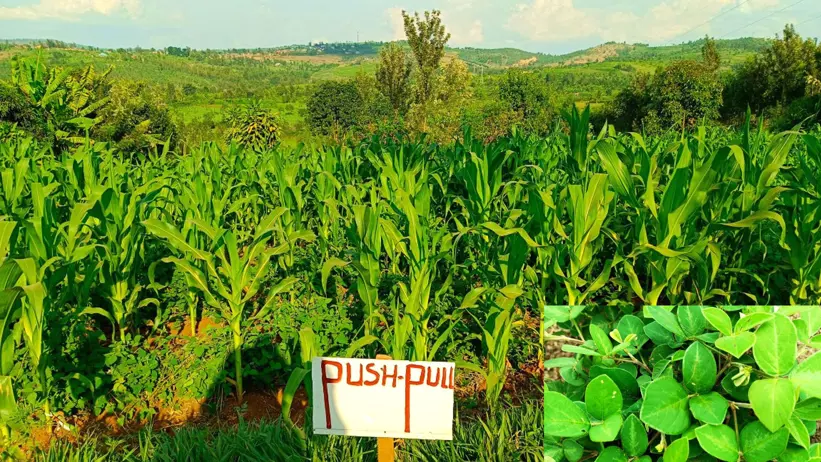
“My work connects plant health with overall ecosystem health because when natural enemies, like insects, control pests, crops grow better and require fewer chemicals, which is healthier for the environment. Healthy crops support farmers’ food and income, which links to human health and wellbeing. Also, reducing chemical use helps protect other animals, people, and nature from harmful pollution.”
What are your plans after your PhD?
“After my PhD, I plan to focus on agroecology and help improve farming in ways that work with nature instead of against it. I also hope to mentor and support young women and future leaders, share knowledge and help turn scientific knowledge into real solutions for farmers and communities in Africa.”
Links
Article link: Smart farming scares pests away – and lures them aside
Read the thesis: Push-pull cropping and ecosystem functioning in sub-Saharan African smallholder systems
Project website: UPSCALE
The project's YouTube channel: UPSCALE project
The article was published in the newsletter One Health Updates in March, 2026.