One Health Days: Inspiring future collaborations across disciplines
One Health Days were held for the third time on 10-12 February, bringing researchers together to share insights, foster dialogue and build collaborations across disciplines. This year, more than 100 SLU researchers participated at the three campuses in Alnarp, Ultuna and Umeå, as well as online.
We met some of the participants on-site in Alnarp, Uppsala and Umeå, who shared their insights from the event.
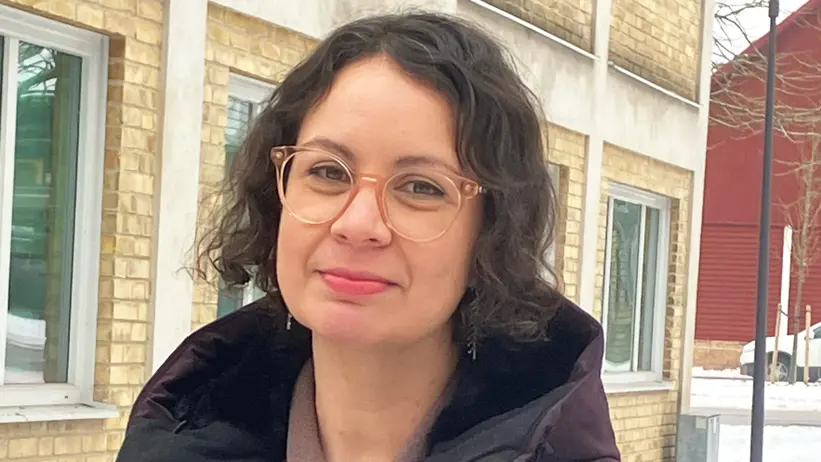
One of the participants in Alnarp was Rebeca Paolini, a research assistant at the Department of People and Society, who holds a MSc in Environmental Psychology of Landscape Architecture. Her main highlight during the One Health Days was the challenge of implementation.
“We know what needs to be done, but turning knowledge into action and political priority is still difficult.”
“I appreciated how the event connected animals, plants, people and the environment and the relationship between them, making the One Health concept more tangible. It also showed the relevance of collaborative thinking and how important this is for a healthier and more sustainable future”, said Rebeca Paolini.
“I learned how nature-based interventions, urban green spaces and ecological management can support human wellbeing while addressing pests, plant-insect interactions, and disease risks. It showed the value of considering both human and ecosystem health together”, said Rebeca Paolini.
How does your research relate to the One Health concept?
“My research explores indoor urban farming to promote social wellbeing. It connects to One Health by exploring how interactions with plants in urban spaces could support both human health and ecological awareness, highlighting the connections between people and their environment”, said Rebeca Paolini.
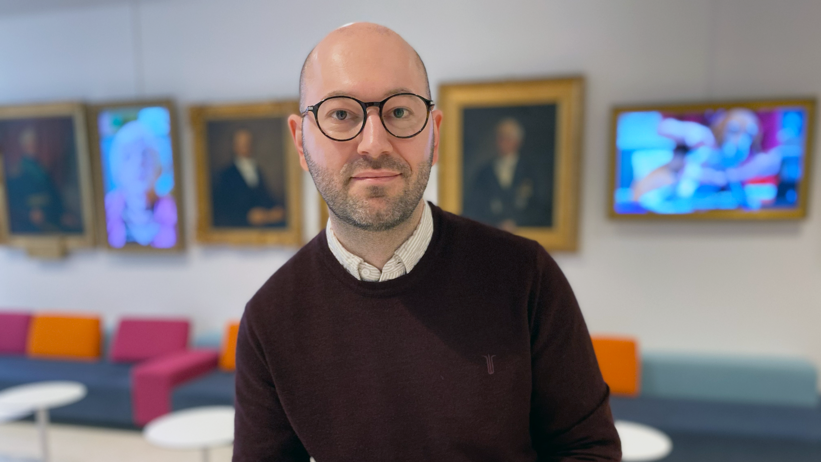
In Uppsala, we met Máté Vass, a microbial community ecologist, working as a researcher at the Division of Microbial Ecology, Department of Aquatic Sciences and Assessment, since last September.
“My personal highlight was that I found a collaborator easily and we have already started working on our ’seed funding’ proposal for One Health research.”
What did you appreciate the most with the One Health Day in Uppsala?
“The talks especially motivated me to think more broadly and encouraged me to reflect on how my research could be integrated more strongly with the presenters’ research under the One Health framework. Nevertheless, it was also eye-opening to notice that a fully integrated approach, covering all compartments of the One Health framework, was not yet visible among the presented topics, highlighting the need for deeper cross-system collaboration and future research”, said Máté Vass
How does your research relate to the One Health concept?
“My research focuses on the environmental dimension of antimicrobial resistance (AMR), which is a key compartment of the One Health framework. Since I’m covering aquatic ecosystems in my research, I try to go beyond clinical settings and explore mechanisms already present in microbial communities in nature that either facilitate or mitigate the spread of AMR.”
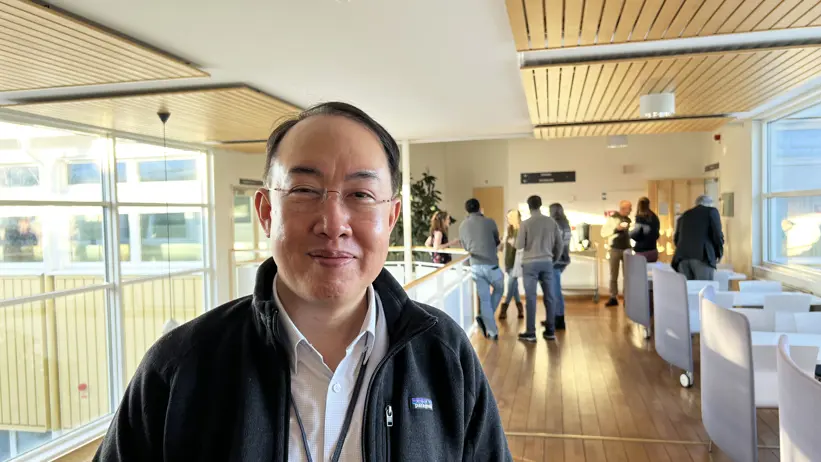
Finally, we met Thanat Chookajorn, who works with lab services at the Department of Wildlife, Fish and Environmental Studies, in Umeå.
“What really stayed with me was the growing role of SLU Global in One Health. I come from a global health background, so for me it felt like coming home.”
“SLU has knowledge that can make a real difference far beyond Sweden — and at the same time, working globally will make our research here stronger and more relevant.”
What did you appreciate the most with the One Health Day in Umeå?
“The feeling in the room. The energy. The conversations. I joined the Uppsala and Alnarp meetings online, but being physically present in Umeå is something else. We think together in a different way when we sit side by side.
“The fact that the organizers travelled to all three campuses — that mattered. It didn’t feel like three events. It felt like one SLU”, said Thanat Chookajorn.
What new insights did you gain?
“I was surprised by how much the dairy sector connects to global health. That wasn’t on my radar before.”
“It made me rethink my own work. If we talk about One Health, we also have to talk about agriculture and the people producing our food. Our research should not only answer scientific questions — it could and should also matter to farmers”, said Thanat Chookajorn.
Thanat Chookajorn has just started a new research line on avian influenza, funded through the environmental monitoring and assessment programme.
“What we used to call “bird flu” is changing. These new strains are better at moving into mammals, and that changes the risk for everyone. We need to understand how these viruses adapt and what happens when they meet other influenza viruses in the new host.”
“A virus doesn’t care about the borders between countries and species — and that’s exactly why One Health research on a global scale is so important.”