Tramas del Alimento: A Timely and Thought-Provoking Look at Colombia’s Food Systems
As climate change, biodiversity loss, social inequality, and economic instability increasingly shape global debates, understanding how food systems operate has become more urgent than ever.
Tramas del Alimento: Perspectivas y debates sobre los sistemas alimentarios en Colombia, released by Universidad de los Andes and published by Ediciones Uniandes, arrives at a critical moment.
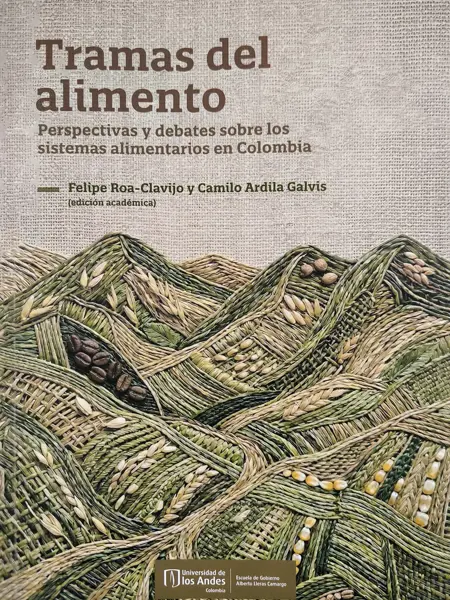
Edited by Felipe Roa-Clavijo and Camilo Ardila Galvis, and featuring contributions from more than 30 authors, the book offers a multidisciplinary exploration of the forces shaping Colombia’s food landscape today. More than a traditional academic volume, it bridges scholarly research, public policy, and lived experience.
Food systems vital role
At the heart of the publication is the argument that food systems must be understood as far more than agriculture or consumption alone. The book examines the ecological, social, institutional, cultural, and economic dimensions that connect territories, communities, markets, governance structures, and everyday food practices. Through this perspective, the authors show why integrating food-systems thinking into policy and daily life is essential for building resilient and sustainable societies.
One of the book’s greatest strengths is its diversity of voices. Alongside academic analysis and policy reflections, the text incorporates interviews with farmers, cooks, entrepreneurs, community leaders, civil society actors, and public officials. This multi-actor approach gives the book both analytical depth and grounded authenticity.
The publication also stands out for its territorial lens. Through case studies and reflections from La Guajira, Montes de María, Bogotá, and Valle del Cauca, readers gain insight into how local histories and social realities shape food systems in distinct ways. Themes such as agroecology, food security, rural development, urban-rural relations, territorial sustainability, and public policy are explored with clarity and nuance.
Aligns with SASi-SPi
The opening chapter, authored by SASI colleagues Gonzalo Rodriguez Borray from AGROSAVIA and Marie-Hélène Dabat from CIRAD, strengthens the book’s collaborative and international perspective by situating Colombian food-system debates within broader global discussions on sustainability and transformation.
The book also aligns with initiatives such as SASi-SPi and MESA, which promote inclusive and evidence-based dialogue on sustainable food systems. Its emphasis on territorial perspectives, stakeholder participation, and the integration of scientific evidence with social realities reflects broader efforts to foster more democratic and context-sensitive sustainability governance.
What makes Tramas del Alimento especially compelling is its refusal to oversimplify food-system transformation. Rather than presenting it as a straightforward technical challenge, the book acknowledges the tensions and competing interests that shape debates around food and development. Accessible yet rigorous, it offers readers a deeper understanding of how food systems influence not only what we eat, but also how societies organize resources, culture, and power. At a time when the future of food is increasingly tied to the future of the planet, this book makes an important contribution to one of the defining conversations of our time.