Internship experience at the Tanzania Plant Health and Pesticides Authority
I got the opportunity to do an internship at the Tanzania Plant Health and Pesticides Authority (TPHPA) earlier this year. The internship provided valuable practical experience in plant health management, pesticide regulation, and agricultural research.
This blog post is written by Maria Manda, Master's student in Agroecology at SLU.
The placement offered an opportunity to apply academic knowledge in a professional setting while contributing to thesis research on biological control and pesticide risk reduction.
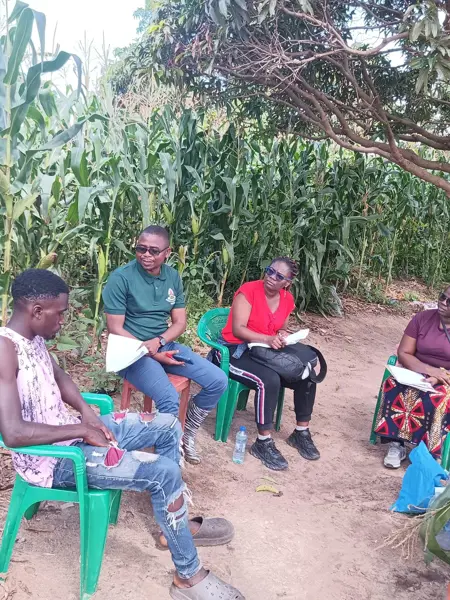
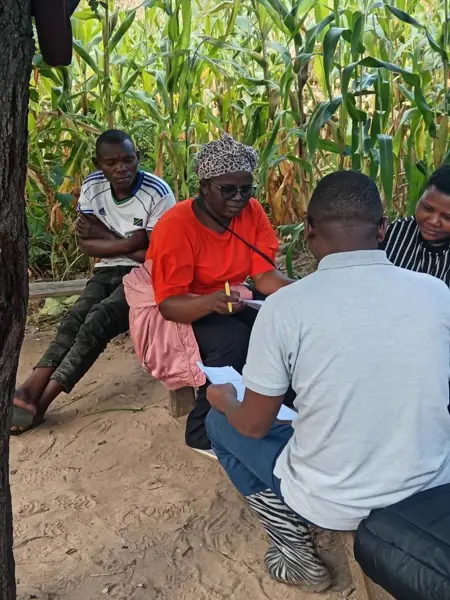
My internship was primarily focused on collecting data for my Master's thesis in Agroecology. This involved conducting field visits, interviews, and surveys with a range of stakeholders, including farmers, agro-dealers, regulators, researchers, and representatives from non-governmental organizations involved in biological control and pesticide risk reduction initiatives.
Working directly with these stakeholders provided valuable insight into how pest management practices and pesticide risk reduction strategies are perceived and implemented in Tanzania. The experience also strengthened research, communication, and fieldwork skills while providing a deeper understanding of agricultural systems and regulatory processes.
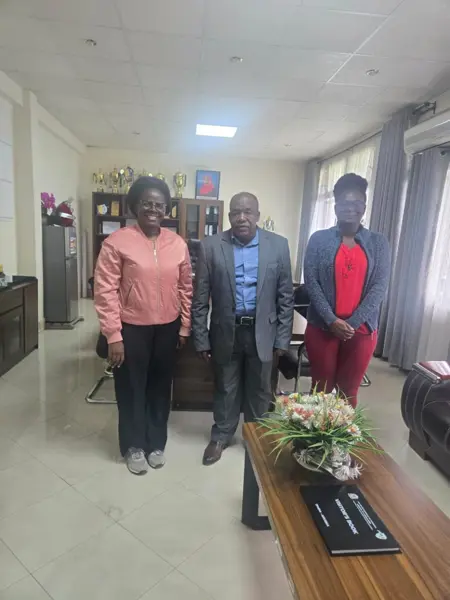
TPHPA is a government institution responsible for protecting plant health and regulating pesticides to safeguard agricultural productivity, human health, and the environment. The organization also plays an important role in supporting national and international trade in agricultural products.
Throughout the internship, guidance from supervisors and staff created a supportive learning environment. Participation in field activities and collaboration with experienced professionals provided practical knowledge that complemented academic studies and highlighted the importance of multidisciplinary collaboration in agricultural research.
As with many field-based research projects, the internship presented several challenges. Delays in data collection occurred due to logistical issues within the host institution and coordination challenges between the host and sending institutions, affecting the timeline for planned research activities.
Language differences also required flexibility. While English was used for official communication, many farmers and agro-dealers primarily communicated in Swahili. Google Translate, along with assistance from colleagues, translators, and the site supervisor, helped facilitate communication during interviews and field visits, allowing the research activities to be completed successfully.
Key take-aways
The internship provided practical experience in field research, stakeholder engagement, and data collection while enhancing communication and analytical skills. It also offered valuable insight into Tanzania's approach to plant health management, biological control, and pesticide regulation.
Beyond the technical knowledge gained, the placement highlighted the value of working across cultures, adapting to new environments, and collaborating with professionals from different backgrounds. These experiences will hopefully support future academic research and professional development in agriculture and pest management.
Advice for future students
Students considering an international internship should prepare by learning about the host institution, its research activities, and the local working environment. Flexibility and patience are essential, as fieldwork and research timelines may change due to logistical or operational factors.
Learning basic phrases in the local language can significantly improve communication during field activities. Digital translation tools and support from local colleagues can also help overcome language barriers. Maintaining an open mindset, adapting to new situations, and embracing different cultural and professional perspectives will help students make the most of their international internship experience.