
Where do the giant cod in the Åland Sea actually come from? New research provides more clues
A new study from SLU shows that the fast growing cod in the Åland Sea probably do not reproduce locally but instead depend on larvae transported there by ocean currents. At the same time, chemical analyses indicate that this stock component may be unique and possibly represent its own population.
While the eastern Baltic cod stock is in a critical state, pressured by starvation, parasites, and oxygen‑depleted seabeds, there is a bright spot further north, in the Åland Sea. Here, cod are thriving, and unlike their relatives in the south, the cod in the Åland Sea are larger, healthier, and grow significantly faster. But this leads us to an ecological mystery: how can the cod in the Åland Sea survive in waters where the salinity is so low that they should not be able to reproduce?
In a recently published article, researchers from SLU have investigated where these unique cod originate from.
Here is what the researchers found
It is unlikely that the cod spawn locally in the Åland Sea
Through laboratory experiments, the researchers have for the first time been able to show that the salinity in the Åland Sea (~7.5‰) is too low for cod from the area to reproduce there. The low salinity prevents successful fertilization and egg development. However, the researchers observed that some viable cod larvae did develop at salinities of 9-10‰, levels that are found in the deep basins of the Northern Baltic Proper.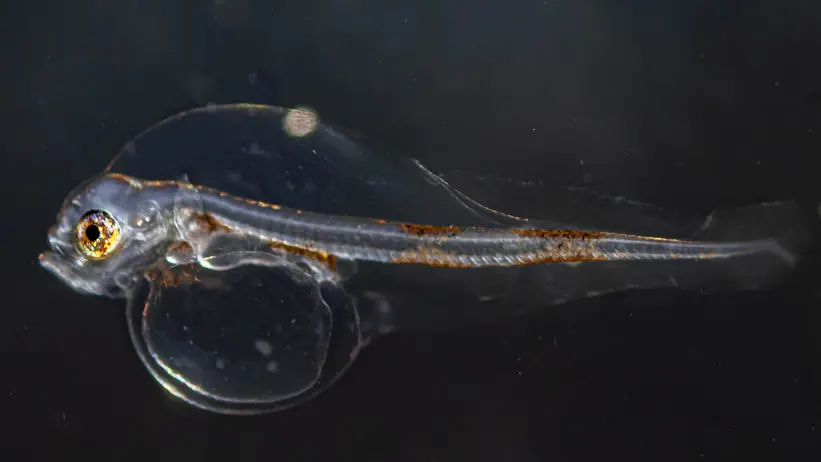
Larval drift appears to be the key
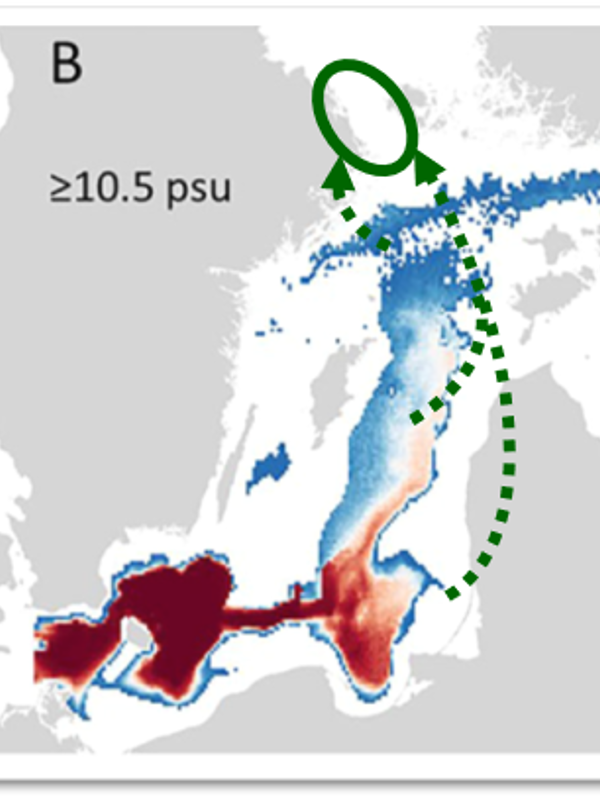
By combining hydrographic data with larval drift models, the researchers found that the cod in the Åland Sea are likely dependent on larvae drifting in from the south – carried by currents from known spawning grounds in the Gdańsk and Gotland Basins, or possibly from previously unknown areas in the Northern Baltic Proper.
A related study adds a new and interesting perspective
In another published study from SLU, where researchers analyzed otoliths (ear stones) from cod in the Åland Sea, they found up to 300 times higher levels of the element boron in some individuals. This suggests that the cod in the Åland Sea may represent a separate population.
– After several years of research, we now know much more about the cod in the Åland Sea. Even though the area lies at the northern limit of the cod’s distribution in the Baltic Sea, it is a place where the fish thrive, grow quickly, and reach very large sizes. At the same time, we still cannot say exactly where the cod reproduce, which is crucial information for management, says Ulf Bergström, researcher at the Department of Aquatic Resources at SLU and one of the authors of the study.
What happens next?
Even though the Baltic Sea cod is one of the world’s most well‑studied fish species, some fundamental questions remain unanswered. Now, new technology will help fill these knowledge gaps. Next, Ulf and his fellow researchers will combine otolith chemistry with whole‑genome sequencing to try to determine the origin of the giant cod in the Åland Sea.
The study has been published in the scientific journal ICES Journal of Marine Science: Recruitment mechanisms of Atlantic cod (Gadus morhua) living in an extreme low-salinity environment
Contact
-
PersonUlf Bergström, researcherInstitute of Coastal Research, joint staff