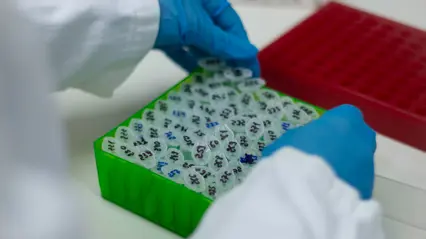
Research linked to aquaculture
SLU's research contributes to sustainable aquaculture through modern breeding programmes, efficient fish feed ingredients, and innovative circular farming methods.
Education
SLU Aquaculture promotes and develops aquaculture education at SLU. Here you’ll find courses, manuals and materials related to the field.
Publications
Here you can explore and download a wide range of aquaculture-related publications by SLU researchers, including scientific articles, reports, and other materials.
-
Major environmental gains when food waste and by-products are utilised
Today’s food waste and by-products should be regarded as valuable resources. When used in new food products and fish feed, their climate impact can be reduced by up to 90 per cent – while significantly easing pressure on land, water and biodiversity. This is shown in a new doctoral thesis from SLU. -
New doctoral thesis on the microbial composition of the gut in salmonids
Shuowen Cao has studied how biological, environmental, and, above all, dietary factors affect the gut microbiota of salmonids, with a particular focus on rainbow trout (Oncorhynchus mykiss). -
Record investment at SLU to improve fish welfare worldwide
The major research grant offers a unique opportunity to accelerate efforts for better fish welfare, both in Sweden and globally.
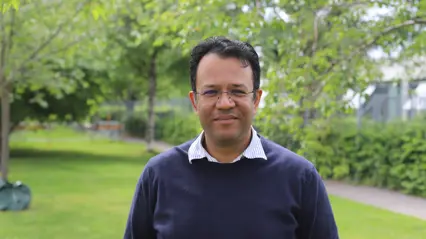
Multi-functional feed ingredients for sustainable fish farming
Either we reduce the inputs, or we develop a feed that provides multiple services. Feed is an important cost. The biggest ecological cost is the input for the fish feed, says Kartik Baruah.
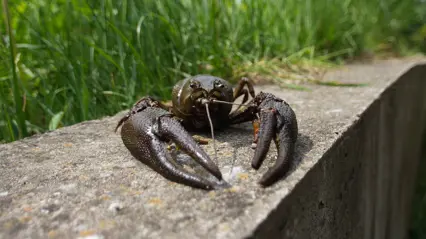
Noble crayfish farming
Save the noble crayfish: Start farming! SLU has published a book "Flodkräfta och flodkräftodling i Sverige – en handbok baserad på erfarenheter" and developed a training guide "Kräftodlingens ABC" (both in Swedish).