
Research projects

The Department of Forest Mycology and Plant Pathology generates knowledge that addresses how we can manage agriculture and forestry in a changing climate. Our work spans both fundamental and applied research, focusing on interactions involving plants, pathogens, symbiotic mycorrhizal fungi, decomposer fungi, and other microorganisms, as well as their roles in forest and agricultural ecosystems.

Ongoing projects

Tolerant Tree

The Tolerant Tree project supports development and implementation of good practices for use and management of forest genetic resources to the benefit of the Nordic societies.

Gushing in beer production

Here, researchers study causes of pink kernels in malting barley and how various factors correlate with gushing in beer.
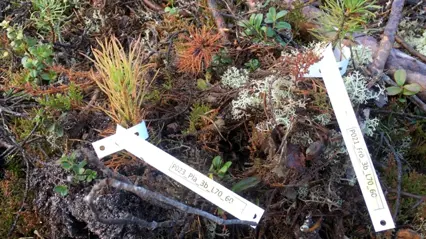
Making soil biodiversity visible in EU policy

SOB4ES is a large project with 19 partners on a mission to make soil biodiversity visible to society and integrate it into EU policies. Within SOB4ES, we analyze soil biodiversity under various intensities of major land uses in different EU regions.
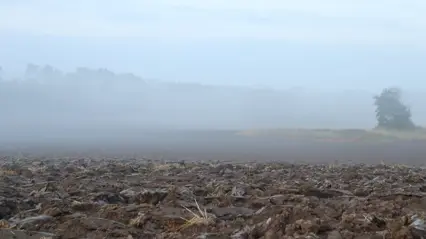
Improve soil health and biodiversity in agricultural soils

In the EU project MultiSoil, we develop strategies to improve soil health and biodiversity. Our aim is to study cropping practices to reduce the reliance on chemical pest control, enhance soil functions and resilience, and support climate-smart farming.
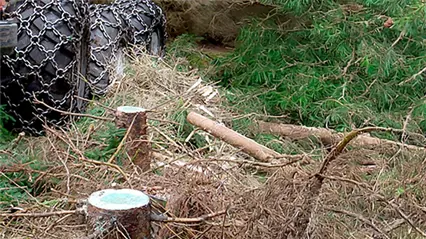
Biological control of root rot

The fungus Heterobasidion annosum is the most destructive pathogen in northern conifer forests, affecting up to 15% of Norway spruce in Sweden. A biological control using Phlebiopsis gigantea spores is now applied to felling stumps to prevent the spread of decay.
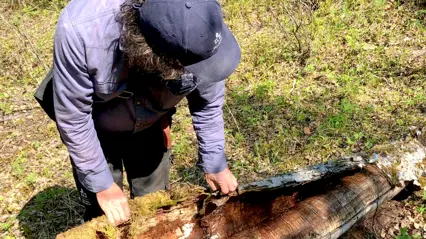
The role of mountain birch forests in conserving insects and fungi

What role do mountain birch forests play in preserving species that live in and on dead wood and are disadvantaged by forestry? In this project, researchers are seeking answers by mapping which wood-dwelling insects and fungi live in mountain birch forests.

More research projects

Research areas

  • 2025-05-20

    Soil Microbiology

    Microorganisms play a key role in nature’s cycles, controlling how essential nutrients like nitrogen move through ecosystems. By understanding their functions, we can find solutions to environmental challenges such as eutrophication, climate change, and unsustainable agriculture.
  • 2025-05-20

    Forest Pathology

    Our research in forest pathology concentrates on pathogenic fungi causing diseases in forests. We study the interactions between the pathogen, the host tree and the environment from molecular to ecosystem level.
  • 2025-05-20

    Agricultural Plant Pathology

    We conduct research within plant pathology and plant-microbe interactions with relevance for plant health. This includes pathogenic interactions in agricultural systems, but also beneficial interactions used for biological disease control and plant growth promotion.
  • 2025-05-20

    Forest microbiology

    We focus on the role of soil biota in plant performance and ecosystem functioning.
  • 2025-05-20

    Plant disease epidemiology

    Diseases in crops result in economic losses and account for a significant proportion of pesticide use in agriculture. We study the epidemiology of plant diseases to inform and support the implementation of sustainable management strategies.

News