Department of Forest Ecology and Management

Our mission is to advance scientific understanding of forest ecosystems and the underlying ecological processes, while refining evidence-based principles for their sustainable and effective management.

  • Climate Change
  • Carbon and Nitrogen cycling
  • Forest vegetation and sustainable digital planning tools

Our mission

Here at the department, our mission is to advance the understanding of forest ecosystem processes and to progress the principles of forest ecosystem management.

Want to know more about us?

Field research svartberget

Research

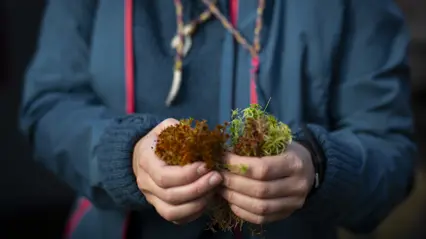
We conduct interdisciplinary research across the entire forest landscape. More information on themes, disciplines and research catalogue

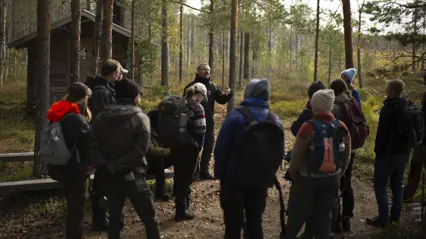
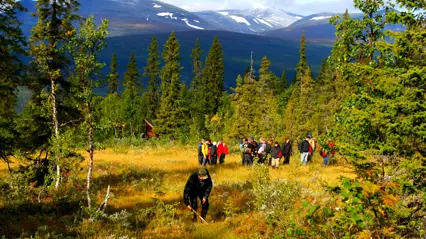
Scene from Krycklan course 2026 foto: Duncan Philpot

Education

Our world-class forestry education includes a three-year Forest Science program, master's level courses, and Postgraduate education.

Contact

Laboratory Facilities

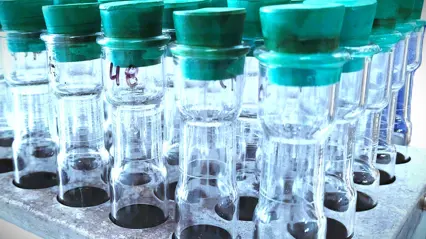
Our state-of-the-art labs offer analysis on soils, plants, gases, and water components in SSIL, BAL and research lab facilities
Research Infrastructures

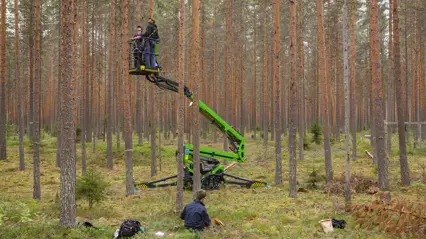
The unit for field-based forest research was established in 2004 and is part of the Faculty of Forest Sciences.

Find us

BIOGEOMON 2026

SLU host the BIOGEOMON conference on June 8-11, 2026 at the Umea Campus
WIFORCE

Wallenberg Initiatives in Forest Research explore how climate, environment, and genetics affect forest growth and health

News & Events

News

  • New book about moose and humans

    "Moose and people during 8000 years in Sweden" is a popular science book about the king of the forest. The authors are researchers at SLU.
  • Three SLU researchers receive Wallenberg funding for research on the future of forests

    Three researchers at SLU have been awarded grants within the Wallenberg Foundations’ initiative in humanities and social science forest research. The projects will generate new knowledge on forest restoration, forest owners’ decisions and the role of forest history in future forest management.
  • New research projects broaden forest research – strengthen WIFORCE

    13 new research projects in the humanities and social sciences receive SEK 90 million from the Wallenberg Foundations. The initiative complements the research within the Wallenberg Initiatives in Forest Research (WIFORCE) programme and broadens knowledge about the role of forests in society.
  • On the road to a better life for cats – where is today's osteoarthritis research heading?

    Over the years, cats have gone from “anonymous” barn animals to beloved family members. Today, they are our most common pets and—like humans—cats are living longer than ever. Knowledge about age-related diseases is therefore increasingly important, not only for a long life, but a good one.
  • Nitrate affects wood development, not just growth

    Different nitrogen fertilisers increase tree growth, but nitrate also specifically affects wood formation and wood properties. Anna Renström has shown this in her PhD thesis, offering new fundamental insights that can support more sustainable nitrogen use in forests.

Calendar