Future food
In an uncertain world with an uncertain climate,what we can grow and eat becomes equally uncertain.
In Sweden, our eating habits have changed drastically over the past hundred years. Food has become cheaper and more varied – but our lifestyle also leads to emissions and climate change that threaten to collapse ecosystems and food systems across the entire globe.
Furthermore, our high level of import makes us dependent on the outside world and vulnerable to wars and crises both near and far.
So, what should we grow to secure our food production? What can we grow in aworld affected by climate change?
There are many questions concerning the food of the future. You will find some of them here in the exhibition.
Some have answers; others do not. Not yet.

Climate change demands food change
Climate change is already affecting what can grown, and how. To produce food efficiently without worsening the situation, we must adapt our crops, methods, and habits
As average temperatures rise and extreme weather becomes increasingly common, it is important to choose resilient crops and adopt new methods to, for instance, make better use of valuable resources like water and plant nutrients.
We can also eat more resource-efficiently by consuming what we grow directly, rather than growing feed for animals that we subsequently eat. This yields more food from the same land area and results in lower emissions. At the same time, however, we need animals, as they play an important role in sustainable agriculture. They can contribute both to biodiversity and to more efficient nutrient cycling.
Have you personally noticed that the changing climate has already affected any of the foods you typically eat?
Further reading
PLATE research centre for resilient meals
FORCE Center for food system resilience
Sustainability = preparedness
Sweden imports a great deal of food, as well as many goods required for our own domestic food production. We are dependent on the outside world—for better and for worse.
International trade provides us with access to items we would otherwise lack, but it also leaves us vulnerable. For instance, conflicts in oil-producing nations can make fossil fuels more expensive, which in turn leads to higher food prices as the cost for transportation and the operation of agricultural machinery rise.
Many measures taken to foster food security and preparedness are also beneficial for the climate, and vice versa. For example, we could replace fossil fuels with renewable energy produced domestically; this benefits the climate while simultaneously reducing our dependence on the outside world.
How should we strike a balance between self-reliance and participating in global trade?

Perennial crops of the future?
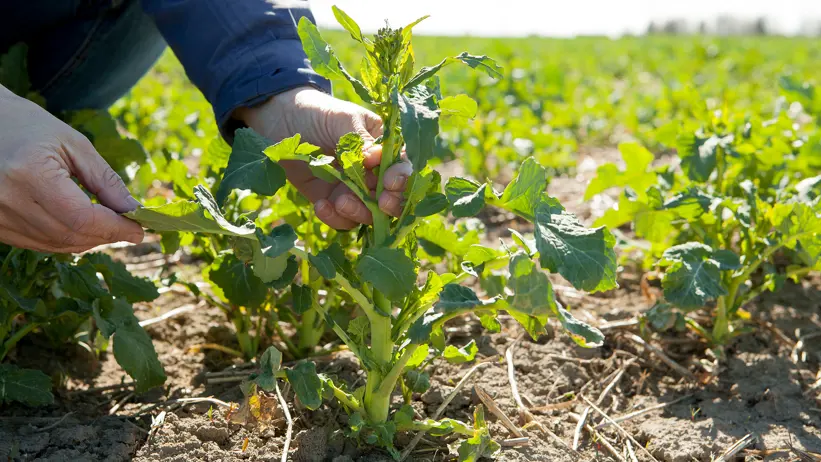
Common crops such as wheat and barley must be sown every year. This means a greater climate impact and more work for the farmer compared to perennial crops, which grow again and again for several years.
Kernza and bulbous barley are perennial crops that could be grown both as grain and as animal feed. They possess greater genetic variation and a more robust root system than conventional annual crops, which may make them more resistant to drought and disease.
Through plant breeding and tailored farming practices, researchers hope to increase yields sufficiently to make them profitable.
Further reading: Researcher on perennial wheatgrass: "Part of a new revolution"

Mixed is marvellous?
In the transparent Rhizoboxes it is possible to compare the roots of different plants and observe how various conditions affect them. Here you see a maize plant and a wheat plant.
Mixing crops with differing roots can improve soil health, as it helps keep the soil in place and prevents the loss of essential nutrients. Mixing crops also promotes biodiversity and can make the harvest more resilient to threatssuch as drought or pest infestations.
A major challenge is ensuring that the different crops mature at the same time and can be efficiently harvested.
Further reading: Soil Nutrient Cycling

Eating animals?
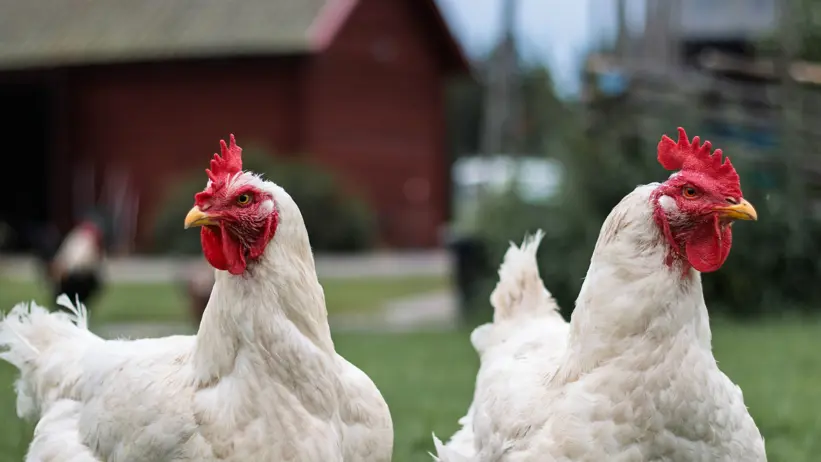
In large parts of the world, we eat a lot more meat now than we did just fifty years ago.
Meat has significant climate impact, and our increased consumption contributes substantially to climate change. To reduce the climate impact of our food, we need to eat less meat, better meat, different types of meat, or change how meat is produced.
Meat consumption is a controversial issue that stir strong emotions. It concerns not only sustainability and ethics, but also politics, economics, culture, habits, and taste.
The textile animals in the exhibition are made by Isabelle Nesterud, Martina Andersson Löfqvist and Elin Carlsson.
Further reading and postcast episodes: Meat The Four Futures
Who should take responsibility?
We already know a great deal about what a sustainable food production and consumption could look like. Significant transitions are underway—but why aren’t things moving faster?
Is it down to politicians, who might prioritize other issues in their proposals and budgets?
Is it down to researchers, who sometimes become so focused on their own specific fields that they lose sight of the bigger picture?
Is it down to farmers, who may lack the resources to shift toward more a sustainable production?
Is it down to the companies that process, transport, sell, and serve food—businesses that aim for profit and who may find it difficult to implement change on their own, given that they are part of a much larger industry?
Is it down to you in the grocery store, considering, perhaps, taste and price rather than sustainability? Or maybe feeling that the small actions you may take wouldn’t make a difference anyway?
Who should take responsibility for ensuring that the food of the future is sustainable?

Movie: Why can’t we keep eating the way we do today?
In this movie, professor Helena Hansson explains why we need to talk about the food of the future. Helena Hansson is professor of agricultural and food economics at SLU. She is also programme director of Mistra Food Futures.
The movie is 3,5 minutes long.
Share your thoughts
Have you seen the exhibition? What are your thoughts?
Please share your thoughts in this survey