
Inbreeding in animals – risk, tool or inevitability?
Inbreeding between humans is taboo in large parts of the world, but we often view it differently when it comes to animals. While it has helped shape animal breeds, it can also impair health, fertility and performance. How do we avoid crossing the dangerous line to inbreeding depression?
Inbreeding occurs when relatives mate with each other: the more closely related the parents are, the higher the degree of inbreeding and the risks for the offspring. This applies to all species, humans as well as animals.
But the way we view inbreeding varies depending on societal norms and the way we manage breeding. When it comes to animals, we are rarely anywhere near as strict as we are when it comes to ourselves as humans. Why is that? And when do we cross the line before inbreeding leads to inbreeding depression?
When inbreeding became a tool
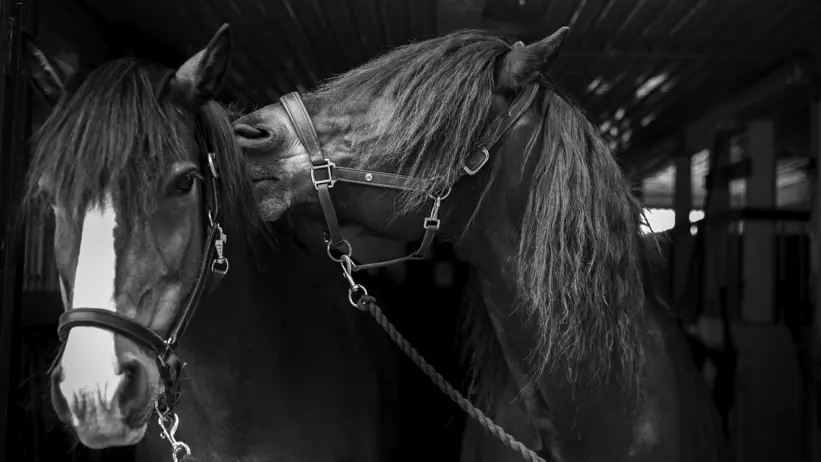
When we humans began to control animal breeding in such a strict way that we created breeds, inbreeding was used as a tool to obtain groups of animals with certain colours, sizes and other desirable traits. In many cases, there was initially a great deal of genetic variation among the animals, which meant that the breeding often worked well. But the more genetically similar the individuals within the same breed became, the greater the risk has become that things go wrong in the next generations.
Inbreeding depression and popular favourite stallions
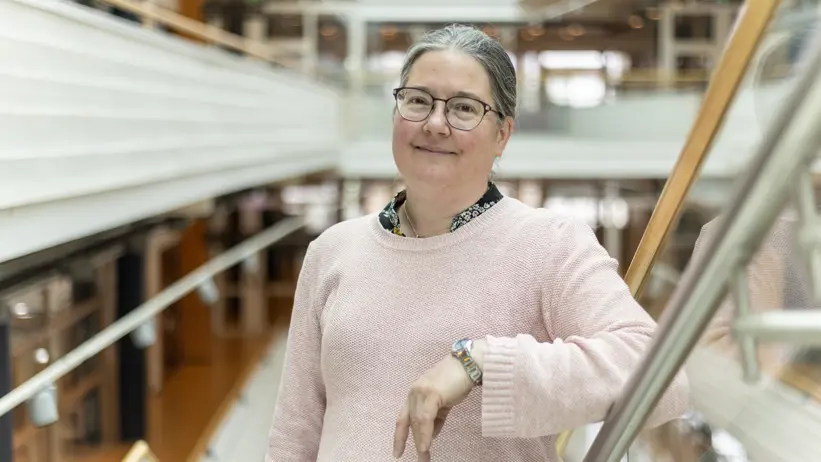
During her long career, Susanne Eriksson has worked with several different animal species on issues related to genetics and breeding. Recently, she has focused on several projects concerning inbreeding in horses.
The professor believes that the challenge often lies in explaining that inbreeding involves risks both at the individual level – for the unique foal that may be born with defects – and for the entire population.
The more people use the same popular stallion, the smaller the genetic variation within the breed becomes. This increases the risk of horses being born with genetic defects, but also of a general deterioration in various traits. Less genetic variation also limits opportunities for breeding progress and for adaptations to a changing environment or emerging diseases.
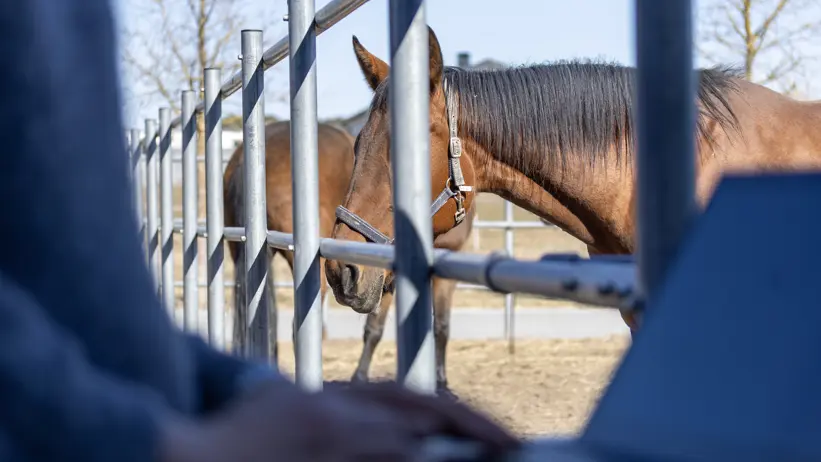
So what can happen if a group of individuals, such as a horse breed, becomes too closely related to one another?
Inbreeding depression can be described as a general reduction in traits such as performance, fertility and health due to excessive inbreeding. It is a generally unfavourable effect that can affect horses in many different, negative ways.
When do we cross the line when it comes to inbreeding?
Many breeding organisations today recommend keeping the inbreeding coefficient below 6% (roughly equivalent to cousin mating). According to the professor, there are three things that are particularly important when assessing the risks of inbreeding: how much genetic variation there is, how much information we have about relatedness between animals – and how quickly the degree of inbreeding increases.
- Knowledge: The more information we have about the horses’ pedigree, the more inbreeding we can detect, which often results in a higher estimated degree of inbreeding if we base it on pedigree records. And if you come from a closed studbook, the general degree of inbreeding may already be higher than the rule of thumb suggests.
- Speed: The most important thing is not whether, but how quickly the degree of inbreeding increases in a population (a horse breed, for example). If the increase is slow, there is time to detect any defects that arise and reconsider – but if it increases too quickly, you can end up in a genetic dead end.
But the professor also emphasises the question of responsibility when it comes to living animals.
Three questions for the expert: Susanne Eriksson
Support research at SLU
Facts
Susanne Eriksson hold a degree in animal science, and is since 2026 also Professor of Animal Genetics with a specialisation in breeding. She also serves on SLU’s Scientific Council for Animal Welfare, which has recently addressed issues including genetic defects, on behalf of the Swedish Board of Agriculture.
More about her and the research she conducts on an ongoing basis can be found below.
Explanation of terms
Breeding = When humans choose which animals should reproduce, in order to reinforce or reduce certain traits in future generations.
Degree of inbreeding = A measure of how closely related the parent animals are, and therefore how likely it is that the offspring will inherit the same gene variant from both parents.
Genetic variation = Differences in genetic material between individuals within a population. High genetic variation makes populations (for example, a horse breed, or horses of the same breed within a country) more resilient to diseases and environmental changes.

Read more interviews with researchers
Contact
-
PersonSusanne ErikssonHBIO, Quantitative Genetics and Breeding