Course format
The REGGAE courses (1-4) were delivered online through a learning platform and included recorded lectures, course literature and links to additional resources. During the project, the courses also included online seminars where participants discussed the content and different perspectives.
The courses are now open for everyone to explore free of charge. The seminars have ended, but the recorded lectures and course materials remain available.
How to access the courses
Click on the link to the course below that you are interested in!
- You will be directed to the course registration page in Canvas, SLU’s learning platform.
- Log in. The first time you use Canvas, you will need to create a user account.
- Once registered, you can access the course and explore the lectures, literature and other materials at your own pace.
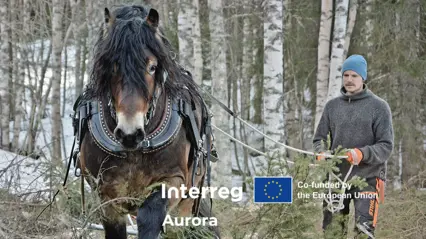
Course 1: Regenerative Nature Tourism
The course focuses on the definition of regenerative and transformative tourism. We will showcase businesses that have successfully become regenerative, and they will share insights into how they work. The course will also cover sustainable entrepreneurship, nature and cultural conservation as part of business practices, citizen science, basic knowledge of forest management and forest ownership, nature and health, and finally sustainable cooking. The course was initially offered in September 2025 but is still open. The material (recorded lectures, literature and links) is still available there FOLLOW THE LINK TO ENROLL!
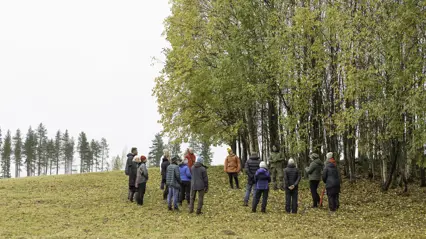
Course 2: Marketing and Communication for Regenerative Nature Tourism
The course focuses on packaging regenerative products, associated costs, and gaining knowledge about organizations working with regenerative tourism. The course also covers how entrepreneurs can reach out and communicate through various media. The course was offered in November 2025. The material (recorded lectures, literature and links) is still available there FOLLOW THE LINK TO ENROLL!
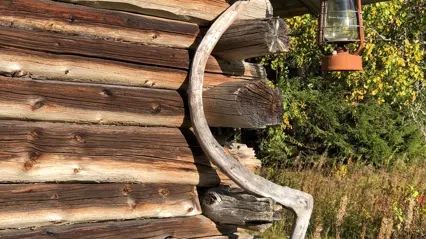
Course 3: Cultural Heritage and Forest History
In the course, the idea is for you as an entrepreneur to learn how to “read” the surrounding forest so you can teach tourists in turn, helping them understand human impact on forest ecosystems and how forests have been managed. The course will also address our cultural heritage—what exists and what you can do to preserve and restore both biological heritage and historical buildings. The course will be offered in February 2026.
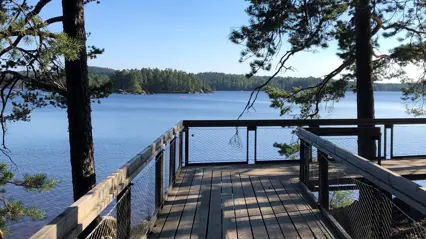
Course 4: Inclusive and Accessible Tourism
focuses on how you, as a nature-based entrepreneur, can make nature accessible to groups who normally have difficulty accessing it. The goal is for destinations, products, and services to be accessible to all people, regardless of physical or intellectual limitations, disabilities, or age. The course will be offered in April 2026.