Ancient soil
It always begins with the soil. It is where life grows – the the life that will become food for us and for our animals. Therefore, we must know the soil, and know how to cultivate it sustainably.
Change in the soil is slow and we must study it over time in order to understand how the soil, as well as what is grown in it, are affected by climate change or different types of farming methods
This is being done in the agricultural long-term experiments conducted by the Swedish University of Agricultural Sciences. Over the coming decades – or perhaps even centuries – these experiments will provide us with knowledge about the soil and the food we grow in it.

Some trials take a long time.
A very long time.
Soil properties change slowly. To track and understand these changes, we need to study the soil and the plants growing in it over a long period of time.
In long-term agricultural experiments, the land is divided into smaller plots. These plots are cultivated in different ways—for instance, one might always be plowed, while another one never is. By consistently applying the same methods to the same plot year after year, researchers can compare different farming methods and their effects on both the soil and the crops.
Long-term experiments can also tell us how the climate affects the soil and crop yields in the long term, and how different farming methods are affected by the weather.
Further reading: SLU Agricultural Long-Term Experiments
Further reading: SLU Fältforsk
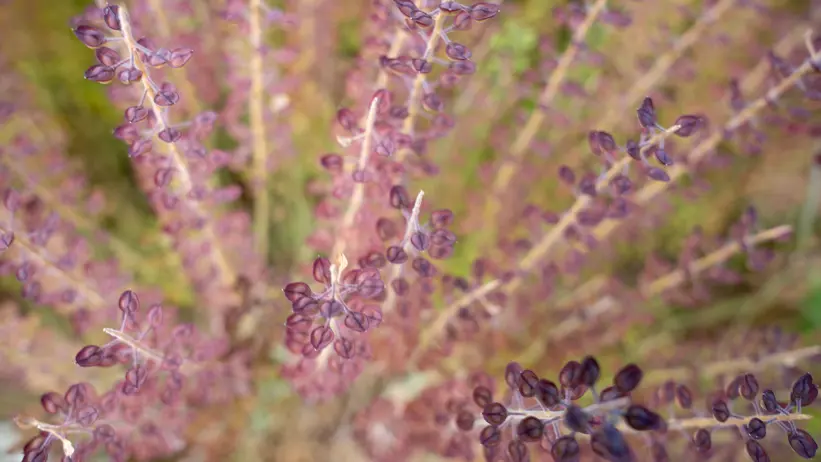
"Blandskap" is a new long-term experiment
Not all of SLU’s long-term experiments are old. The youngest one was established at Lövsta as recently as 2025.
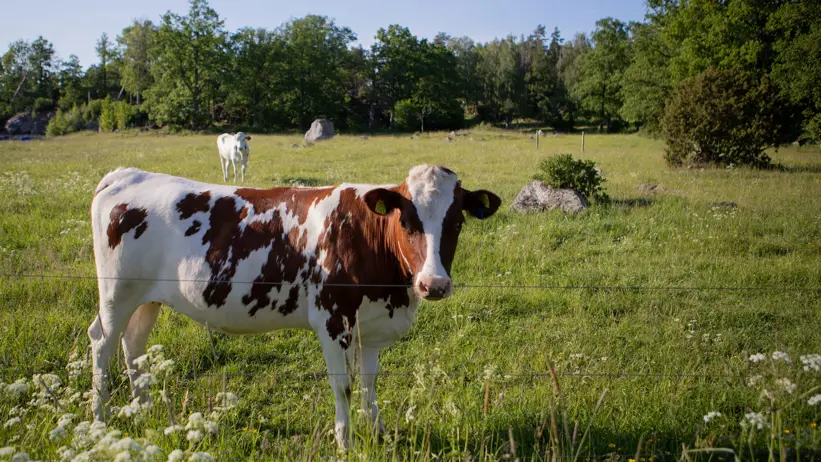
In the past, crops and grazing livestock were commonly kept on the same land. Today, they are usually kept separate—a practice that allows for specialization and lower food prices, but which has a negative impact on biodiversity and long-term sustainability.
The "Blandskap" experiment is the only one of its kind in the world. It compares systems where crops and grazing livestock share the same land against systems where they are kept separate. It combines the positive aspects of traditional farming with modern methods, such as virtual fencing. The hope is to help create a sustainable agricultural system that promotes biodiversity and beautiful landscapes, while also delivering good harvests and ensuring the animals’ well-being.
Further reading: BLANDSKAP