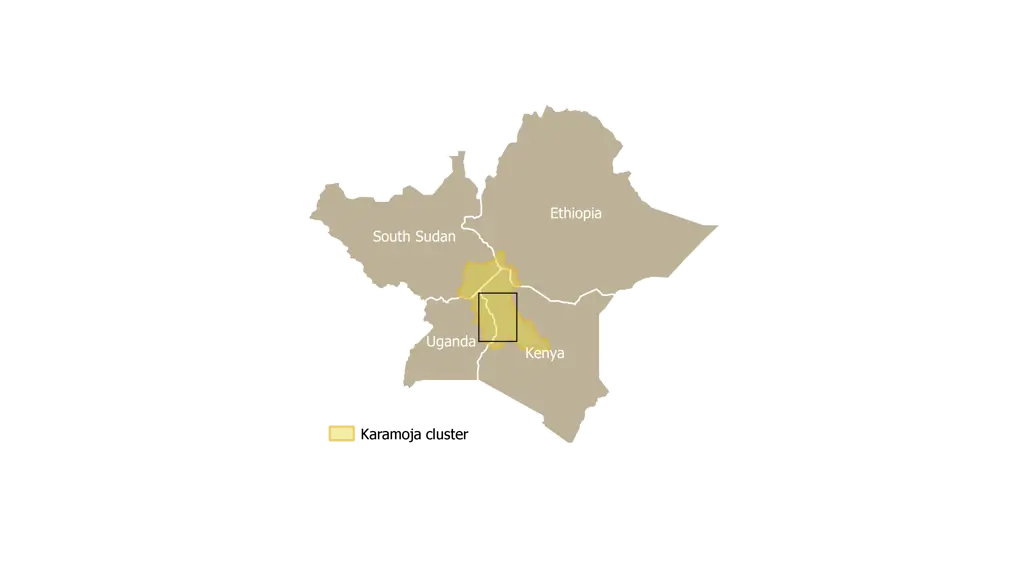
Project introduction
Policy briefs
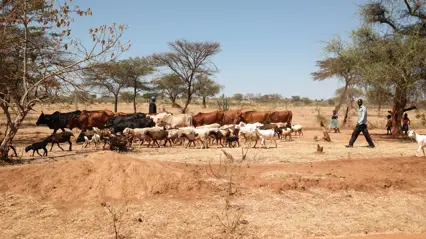
View Drylands Transform videos at Agri4D 2023 and 2025
Building resilient food systems in drylands; Challenges and lessons learned from transdisciplinary research in East Africa.
View three short documentaries
One of our partners, Intergovernmental Authority on Development (IGAD), has produced three videos about our work. Watch them here.
Land health linked to human health
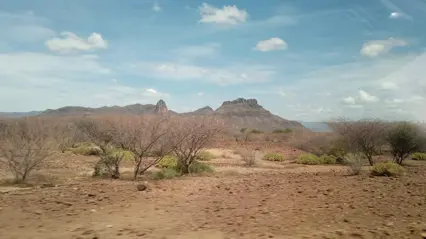
Assessing land health at the landscape scale and exploring the links with human health and well-being.
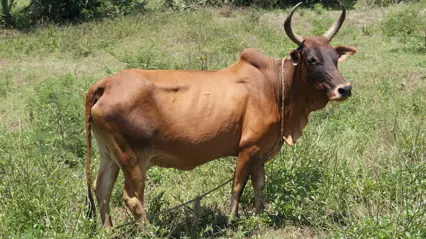
Livestock cafés
Co-developing sustainable rangeland management options with local communicties, and set-up knowledge sharing hubs (‘livestock cafés’).

Resilience of communities
Studying impacts of seasonality and climate variability on food and livelihood strategies, wellbeing and resilience.

Land and resource governance
Identifying innovative land governance mechanisms and practices that effectively address livestock-keepers’ dependence on both flexible and secure rights to land.

Future scenarios
Co-designing and evaluating alternative scenarios for sustainable dryland transformation in East Africa with local and regional stakeholder groups.
Results
-
Malnutrition widespread in drylands
Researchers in the Drylands Transform project are analyzing household survey data. Among 944 households, 25–50% had malnourished or at-risk children, with even higher rates among women. Early findings also reveal families face frequent crises and conflicts in the drylands. -
Drylands Transform news archive
Archive with news about the project Drylands Transform. The news articles were produced from 2020 to 2025.