
Farmvisit: Åhl Grönt
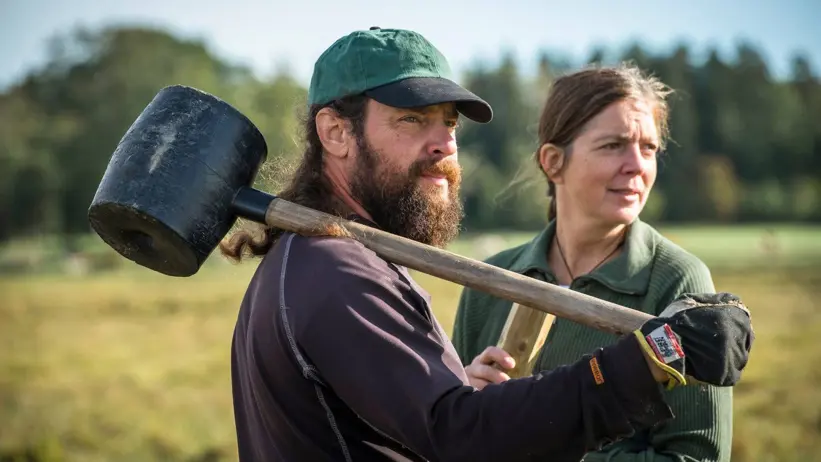
Pär and Ebba at Åhl Grönt, run an integrated organic operation involving livestock, sheep, a small number of chickens and crop production, both for animal feed and for human consumption.
The animals graze exclusively on semi-natural pastures, partly to keep the landscape open and to preserve and increase biodiversity, but also to use ruminants to convert fodder from land that cannot otherwise be used for food production.
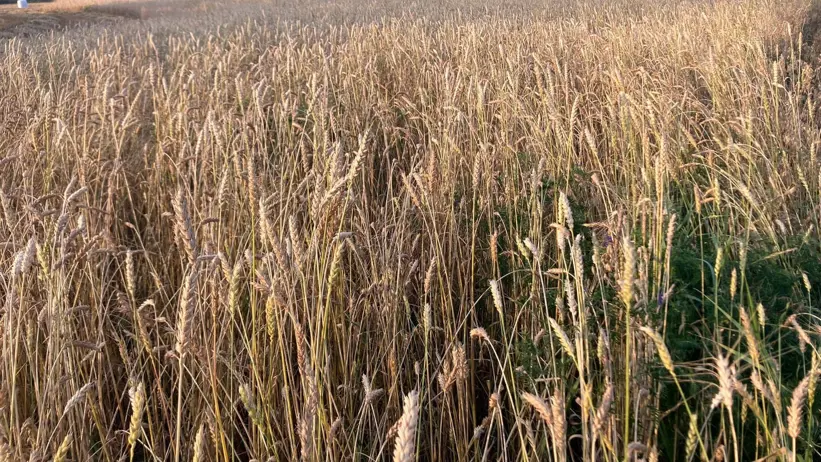
On the arable land, they grow ley crops on all land with lowland organic/peat soil (approx. 50 ha), and on the remaining land they grow 50 percent ley crops and 50 percent cereals and legumes, primarily for human consumption. In addition to modern cereals, they grow heritage varieties, which they mill at local mills and try to sell to small bakeries and cafés or directly to consumers.
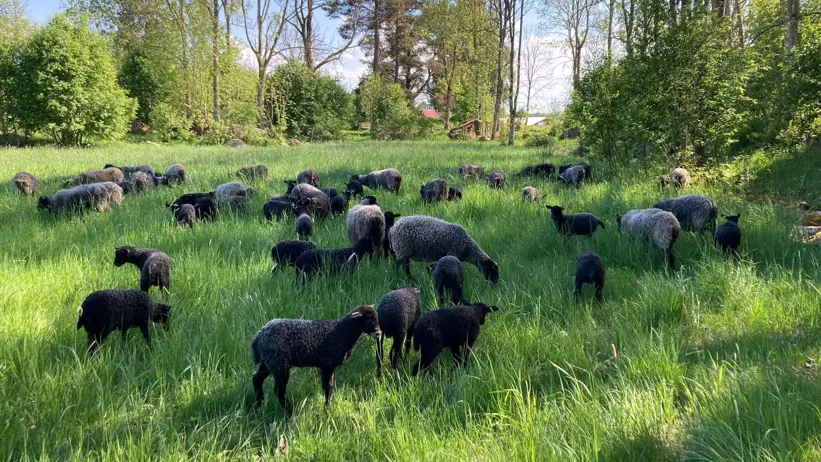
The animals are small beef breeds that thrive on semi-natural grasslands and can survive on grazing alone and silage/hay in winter. The sheep are of the Gotland breed, which are also good at maintaining the countryside and do not require particularly fine pasture or large amounts of concentrated feed. The sheep are given some grain in the form of by-products; this is also fed to their 50 hens (mostly a hobby flock). The animals form a vital part of the farm’s cycle, producing manure for the fields and grazing the pasture required for a good crop rotation.
Facts Åhl Grönt
Land
- Arable land: 150 ha, of which approx. 50 ha is permanent grassland on lowland organic/peat soil.
- Pasture: 100 ha of semi-natural grasslands (largely hay meadows facing Lake Vendel).
- Forest: 28 ha.
Livestock
- Cattle: Approx. 45 suckler cows, rearing 24-month-old steers and heifers for slaughter. A total of approx. 130–140 animals.
- Sheep: Approx. 25–30 ewes, producing approx. 40 lambs per year.
- Poultry: Approx. 50 chickens (mixed native breeds), mainly for eggs for their own use, but they also sell some in the spring.