Subject area Animal Ecology
Contact
Group members
- Jani Ahonen
- Joseph John Anderson
- John Ball
- Carolin Berndt
- Alexander James Bleasdale
- Joris Petrus Gerardus Marinus Cromsigt
- Ciarán Ó Cuív
- Kjell Erik Danell
- Frauke Ecke
- Göran Ericsson
- Bruno Esattore
- Magali Frauendorf
- Pallavi Surendra Ghaskadbi
- Sarah Louise Gore
- Desiree Guidobaldi Stenbacka
- Tim Ragnvald Hofmeester
- Sheila Holmes
- Lovisa Hökby
- Sonya Juthberg
- Laura Juvany Canovas
- Hussein Khalil
- Jonas Kindberg
- Benjamin Lindberg
- Yonas Madebo
- Wiebke Neumann Sivertsson
- Margareta Steen
- Fredrik Stenbacka
- Navinder Singh
- Fredrik Widemo
- Anna Widén
- Matthijs Wouter Bokje
Related research projects
- RESTOREID: can forest restoration protect us from animal-borne infectious disease?
- AquilaNorth: Eagles in an increasingly transforming northern ecosystem
- DigiWild – AI and citizen science for monitoring ungulates
- Moose personality
- Gotland eagles
- Moose quality in the North
- Browsing biodiversity
- Reproductive timing of medium-sized mammals in a changing world
- Assessing population densities of ungulates
- Ungulate reference areas
- Moose forage in the North
- Multiple choice in silviculture
- The Scandinavian Brown Bear Research Project
- Future Yields – how ungulate browsing affects forest development and revenue
Related research topics
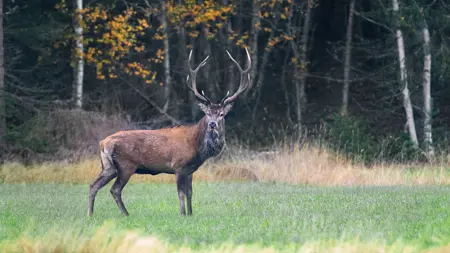
Within the subject area we study the ecology of mammals and birds, wildlife in short, and the diverse ways they shape ecosystems and societies. We work with societal stakeholders across the world to translate our findings into nature-based opportunities for a more sustainable future.
We study interactions between humans and wildlife
In many parts of the world, wild animals are increasing or decreasing in numbers, affecting both ecosystems and human life. Our research investigates why this is happening, particularly among terrestrial mammals and birds, and what the consequences of these changes might be. Joris Cromsigt is the subject area leader.
Our research is centred around five interconnected subthemes